The primary necessity for using airtight containers or specialized clay pots is to counteract honey's highly hygroscopic nature, meaning its natural tendency to absorb moisture from the surrounding atmosphere. These storage solutions provide a critical barrier that prevents water absorption, which triggers fermentation and spoilage, while simultaneously shielding the product from environmental factors that degrade its quality over time.
Honey is chemically stable only when its moisture content remains strictly controlled. The central purpose of specialized storage is to create a sealed environment that blocks atmospheric moisture and harmful UV light, preserving the honey’s flavor, nutritional integrity, and market value for years.
The Mechanism of Preservation
Counteracting Hygroscopy
Honey is hygroscopic, meaning it actively attracts and holds water molecules from the surrounding environment.
If exposed to humid air, honey will pull in moisture until its water content rises sufficiently to allow natural yeasts to survive.
Preventing Fermentation
Once honey absorbs enough atmospheric moisture, it creates an environment conducive to microbial growth.
This leads to fermentation, which sours the flavor and effectively spoils the product. Airtight seals are the only physical barrier capable of stopping this process before it begins.
Maintaining Market Value
Commercial viability depends on consistency.
By using airtight plastic or specialized clay, you ensure the honey retains its original viscosity and taste profile. This preservation is essential for maintaining the product's market value over several years of storage.
Preserving Chemical Integrity
Protection from Light Degradation
While moisture is the immediate threat, light is the silent degrader.
External light, particularly ultraviolet radiation, destroys heat-sensitive and light-sensitive active substances, such as phenolic and flavonoid compounds.
Ensuring Accurate Analysis
For honey intended for biological analysis or medical use, the chemical composition must remain unaltered.
Using opaque materials (like clay) or light-shielding materials (like amber glass mentioned in technical contexts) prevents these active compounds from breaking down.
Preventing Chemical Migration
The acidity of honey plays a major role in storage selection.
Honey contains weak organic acids. High-quality, food-grade airtight containers are chemically inert, ensuring that no packaging materials migrate into the honey to alter its purity.
Common Pitfalls to Avoid
The Dangers of Galvanized Metal
Never use standard metal containers, particularly those that are galvanized.
The organic acids in honey react chemically with the zinc layer in these containers. This leads to heavy metal pollution as zinc migrates into the food source, rendering it unsafe for consumption.
The Risk of Non-Food-Grade Plastics
Not all plastics are suitable for long-term acidic food storage.
Low-quality plastics may allow harmful substances to migrate into the honey over time. It is critical to verify that any plastic container used is explicitly rated as food-grade to prevent chemical contamination.
Making the Right Choice for Your Goal
To ensure the longevity and safety of your honey, select your storage medium based on your specific preservation targets:
- If your primary focus is preventing spoilage: Prioritize the seal above all else; the container must be airtight to block atmospheric moisture and prevent fermentation.
- If your primary focus is preserving biological activity: Choose light-shielding materials like specialized clay or amber glass to protect sensitive compounds from UV radiation.
- If your primary focus is food safety: strictly avoid galvanized metal and ensure all synthetic containers are certified food-grade to prevent zinc or chemical leaching.
By controlling moisture and light through proper containment, you ensure the honey remains as pure and valuable as the day it was harvested.
Summary Table:
| Storage Factor | Impact on Honey | Recommended Material/Solution |
|---|---|---|
| Hygroscopy | Absorbs moisture, leading to fermentation | Airtight food-grade plastic or glass |
| UV Light | Destroys phenolic and flavonoid compounds | Opaque clay pots or amber glass |
| Acidity | Can cause chemical migration from containers | Food-grade, chemically inert materials |
| Metal Reaction | Galvanized metal causes heavy metal pollution | Avoid galvanized steel; use stainless or plastic |
Maximize Your Honey Quality with HONESTBEE
As a commercial apiary or distributor, the integrity of your product is your reputation. HONESTBEE specializes in supporting the global beekeeping industry with a comprehensive wholesale range of professional equipment.
Whether you need specialized honey-filling machines to ensure perfect seals, industrial-grade storage solutions, or a full spectrum of beekeeping tools and consumables, we provide the hardware necessary to prevent spoilage and maintain market value. From hive-making machinery to honey-themed cultural merchandise, we help you scale your operations efficiently.
Secure your harvest's future—Contact HONESTBEE today for wholesale inquiries and expert equipment solutions!
References
- JOY NNEKA UCHENYE EJIKEME, CHIEMERIE VALENTINE UGWU. HONEY-BEE PRODUCTION PRACTICES AS A SUSTAINABLE LIVELIHOOD AMONG THE IGBO OF SOUTHEASTERN NIGERIA. DOI: 10.37602/ijssmr.2023.6202
This article is also based on technical information from HonestBee Knowledge Base .
Related Products
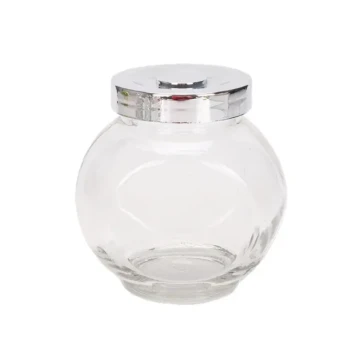
- Classic Drum Shaped Glass Honey Jar with Airtight Lid
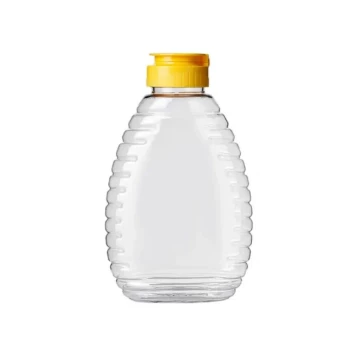
- Squeezable No-Drip Beehive-Shaped Honey Jars with Flip-Top Cap
People Also Ask
- What is the best utensil to store honey? Preserve Purity with the Right Container
- How does the appearance of glass jar packaging affect the sales and perception of honey? Boost Your Premium Brand Value
- Why is a glass jar preferred for packaging honey? Ultimate Protection for Purity & Flavor
- What is the aesthetic appeal of using glass jars for honey? Elevate Your Brand with Premium Packaging
- What are the advantages of glass containers for honey? Elevate Quality and Market Value with Premium Packaging