Sealing harvested honeycombs is the primary defense against catastrophic pest infestation. By placing combs inside sealed metal drums or thickened plastic bags, you create an impenetrable physical barrier that prevents Greater and Lesser Wax Moths (Galleria mellonella) from accessing the wax. This isolation stops adult moths from laying eggs, while simultaneously regulating humidity to prevent mold growth and preserve the comb for future use.
Core Takeaway: The goal of sealed storage is not just organization, but the preservation of drawn comb—a valuable resource—by physically blocking pests and stabilizing environmental conditions to prevent rot.
The Biological Defense Strategy
Creating a Physical Barrier
The most immediate danger to stored honeycomb comes from wax moths.
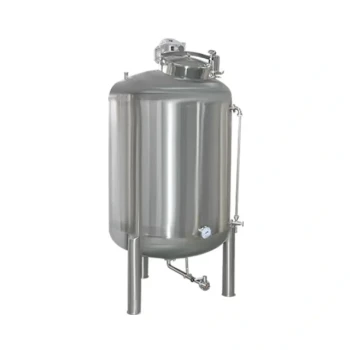
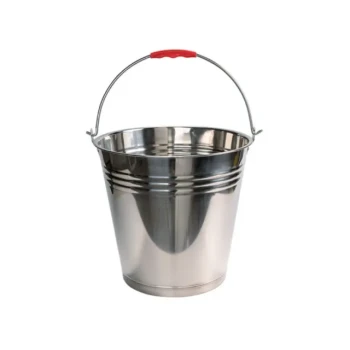
Sealed metal drums and heavy-duty plastic bags act as a physical shield. If the adult moth cannot contact the wax, it cannot deposit the eggs that eventually hatch into destructive larvae.
Breaking the Pest Life Cycle
The damage to honeycombs is rarely caused by the adult moth, but by the larvae that burrow through the wax.
By utilizing a sealed container, you effectively interrupt the reproductive cycle of the Galleria mellonella. Without the initial egg deposition, the destructive larval stage is completely avoided.
Environmental Control and Resource Protection
Regulating Humidity
Beyond pests, moisture is a significant threat to stored apiary equipment.
Sealing honeycombs aids in controlling the immediate humidity surrounding the wax. This prevention of moisture buildup is critical for stopping the growth of mold, which can render the comb unusable.
Preserving "Expensive" Resources
Beeswax is a resource that requires significant energy for a colony to produce.
By preventing damage from moths and mold, you are protecting an asset that can be reused. Providing bees with healthy, ready-to-use drawn comb in the spring significantly accelerates colony development and production.
Understanding the Trade-offs
The Risk of Trapped Moisture
While sealing keeps external moisture out, it also traps internal moisture in.
If honeycombs are harvested and stored while still wet or containing uncapped nectar, sealing them in plastic or metal will create a greenhouse effect. This inadvertently creates the perfect environment for mold fermentation, destroying the very resource you intend to save.
Material Durability
Not all storage barriers are created equal.
While thickened plastic bags are effective against moths, they are vulnerable to punctures or chewing by rodents. Metal drums offer superior protection against larger pests but are heavier and require more storage space.
Making the Right Choice for Your Goal
To ensure your equipment is ready for the next season, choose the storage method that aligns with your resources and risks:
- If your primary focus is maximum security: Use sealed metal drums to provide a dual layer of protection against both wax moths and rodents.
- If your primary focus is cost-efficiency: Use thickened plastic bags, ensuring they are tightly sealed, to prevent moth entry without the expense of metal containers.
Your diligence in storage today is what grants your colonies a competitive advantage next spring.
Summary Table:
| Storage Method | Protection Level | Pros | Cons |
|---|---|---|---|
| Sealed Metal Drums | High (Complete) | Blocks wax moths and rodents; extremely durable | Heavy, expensive, and requires more storage space |
| Thickened Plastic Bags | Moderate (Specific) | Lightweight and cost-effective; prevents moth access | Vulnerable to punctures and rodent damage |
| Open Storage | Low (None) | No moisture trapping; easy access | High risk of wax moth infestation and mold growth |
Maximize Your Apiary Productivity with HONESTBEE
Preserving your drawn comb is vital for a successful spring buildup, and having the right equipment makes all the difference. At HONESTBEE, we specialize in supporting commercial apiaries and distributors with a comprehensive range of professional-grade beekeeping tools and machinery.
Whether you need robust storage solutions, advanced hive-making machines, or high-efficiency honey-filling equipment, our wholesale portfolio is designed to enhance your operational efficiency. From essential consumables to specialized hardware and honey-themed cultural merchandise, we provide the quality you need to grow your business.
Ready to scale your beekeeping operations? Contact us today to explore our wholesale solutions and let HONESTBEE be your partner in success.
References
- Suroj Pokhrel. The Ecological Problems and Possible Solutions of Beekeeping in Hills and Terai of Chitwan, Nepal. DOI: 10.3126/aej.v9i0.2113
This article is also based on technical information from HonestBee Knowledge Base .
Related Products
- Plastic Honey Comb Frames Cassette Box for Honey
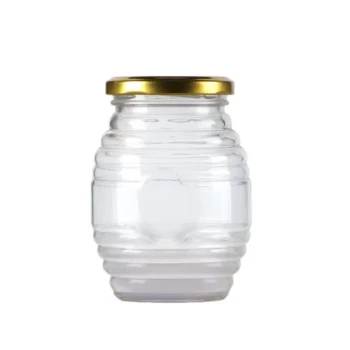
- Classic Glass Honey Jar with Metal Lug Cap for Beehive Storage
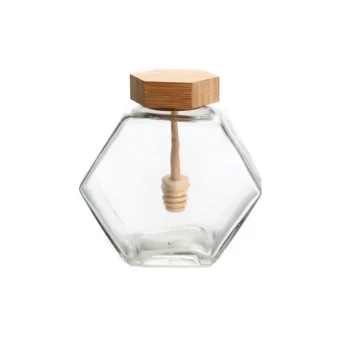
- Hexagonal Glass Honey Jar with Wooden Lid Integrated Dipper Elegant Functional Storage
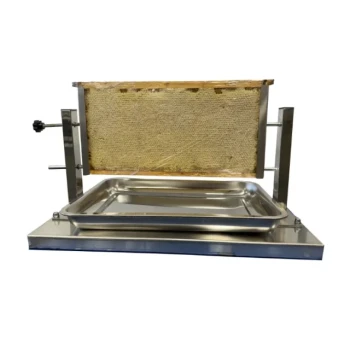
- Professional Adjustable Stainless Steel Honeycomb Display Stand
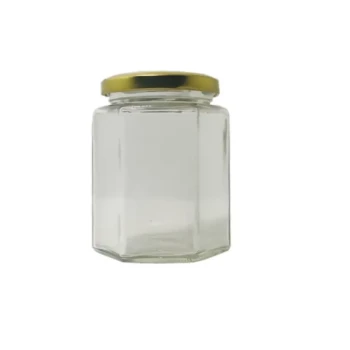
- Hexagonal Glass Honey Jars with Metal Lug Caps Elegant Versatile Packaging
People Also Ask
- How are honeybee combs utilized for non-destructive colony monitoring? Master Population Density Tracking
- What is the significance of sampling honeycomb frames and hive bottoms? A Guide to Scientific Sanitation Monitoring
- What is a honeycomb frame? The Key to Modern, Sustainable Beekeeping
- What is the technical purpose of exchanging honeycomb frames? Master Apiary Equalization for Growth
- What frame to use for honeycomb? Choose the Right System for Pure, Edible Comb