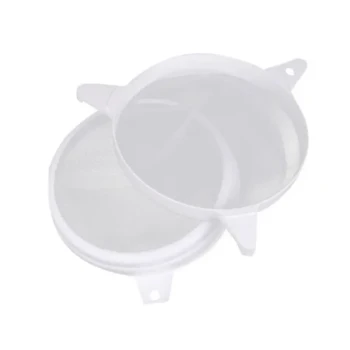
Laboratory-grade vacuum drying and negative pressure equipment are essential for ensuring the purity of honey extracts and protecting expensive analytical systems. In the Solid-Phase Extraction (SPE) process, vacuum suction provides a controlled environment to rapidly remove residual moisture and solvents after column pre-treatment. This prevents cross-contamination between solvents of different polarities and guarantees that the final target compounds remain uncontaminated for precise laboratory analysis.
Vacuum-assisted equipment is the cornerstone of high-precision honey analysis, serving the dual purpose of ensuring chemical purity through moisture removal and protecting sensitive laboratory hardware from particulate damage.
The Technical Necessity of Negative Pressure in SPE
Ensuring Chemical Purity and Solvent Isolation
Laboratory-grade vacuum equipment creates a precise negative pressure environment required for the solid-phase extraction (SPE) process. After washing filter columns, vacuum suction is used to pull through residual moisture and solvents that could otherwise linger.
This rapid drying of the cartridge internal structure prevents cross-contamination between solvents of different polarities. By ensuring a clean transition between stages, the vacuum process guarantees the integrity of the target compounds in the final eluate.
Managing Honey's Hygroscopic Nature
Honey is naturally hygroscopic, meaning it aggressively absorbs moisture from its surroundings. If water contaminants are introduced during the extraction or drying phases, they can lead to fermentation and spoilage.
Vacuum drying allows for the removal of moisture at lower temperatures, protecting the honey's delicate chemical profile. This specialized equipment ensures that the extracted components remain stable and true to their original state.
Protecting Downstream Laboratory Assets
Preventing Clogging of HPLC Systems
High-precision filtration under negative pressure removes particulate impurities, such as propolis residues and beeswax fragments. This step is critical for protecting expensive laboratory consumables like High-Performance Liquid Chromatography (HPLC) systems.
By removing undissolved matter, the equipment prevents the clogging of chromatographic columns. This reduces system pressure fluctuations and significantly extends the service life of high-value analytical tools.
Maintaining Consistent Flow Rates
Negative pressure filtration ensures a stable and predictable flow rate during the purification of raw honey. Without this precision, organic impurities can cause bottlenecks in the extraction line.
A consistent flow rate is essential for reproducible results in a commercial laboratory setting. For B2B suppliers, this technical consistency translates to higher-quality data and more reliable product grading.
Enhancing Commercial Value and Food Safety
Removing Physical Contaminants
Specialized filtration systems use multi-stage physical barriers to isolate beeswax microparticles, bee parts, and other organic debris. This process determines the clarity and sensory quality of the final honey product.
Improving the visual consistency and purity of the honey directly enhances its market competitiveness. For wholesalers, providing honey that meets these high sensory standards allows for premium pricing in high-end markets.
Preventing Secondary Contamination
Utilizing professional, food-grade vacuum and extraction machinery prevents the introduction of heavy metals or chemical pollutants. Standardized processing equipment is vital for maintaining safety throughout the commercial production chain.
Ensuring that equipment is thoroughly dried and cleaned using vacuum-assisted methods eliminates the risk of secondary contamination. This rigor protects the brand reputation of distributors and ensures compliance with international food safety standards.
Understanding the Trade-offs
Manual vs. Vacuum-Assisted Processing
While manual filtration methods exist, they often lack the speed and precision required for B2B scale operations. Manual processes increase the risk of atmospheric moisture absorption, which can compromise the entire batch.
Equipment Sophistication vs. Operational Costs
High-grade vacuum systems require a higher initial investment but offer significant long-term savings. By preventing the destruction of SPE columns and reducing solvent waste, these machines lower the total cost of ownership for analytical laboratories.
Making the Right Choice for Your Goal
As a premier provider of laboratory solutions, we recommend selecting equipment based on your specific throughput and purity requirements.
- If your primary focus is analytical precision: Invest in negative pressure SPE manifolds to ensure zero cross-contamination and protect your HPLC columns.
- If your primary focus is commercial product quality: Prioritize multi-stage vacuum filtration systems that remove wax and moisture to prevent fermentation and improve clarity.
- If your primary focus is rapid order fulfillment: Select high-efficiency separation equipment designed for high volumes to isolate beeswax quickly without stalling the production line.
Equipping your facility with professional-grade vacuum technology is the most effective way to guarantee the purity, safety, and marketability of honey extracts.
Summary Table:
| Process Feature | Technical Function | Primary Benefit |
|---|---|---|
| SPE Vacuum Suction | Rapidly removes residual solvents/moisture | Prevents cross-contamination and ensures chemical purity. |
| Negative Pressure Filtration | Removes beeswax microparticles and debris | Protects expensive HPLC systems and prevents column clogging. |
| Low-Temp Vacuum Drying | Removes moisture at reduced temperatures | Protects honey's delicate chemical profile and prevents fermentation. |
| Multi-stage Barriers | Isolates propolis and organic impurities | Enhances visual clarity, sensory quality, and market competitiveness. |
Scale Your Honey Processing Efficiency with HONESTBEE
Are you looking to enhance your extraction purity or expand your B2B wholesale portfolio? HONESTBEE is your premier partner, catering to commercial apiaries and distributors with a comprehensive, one-stop sourcing solution. From specialized honey-filling and hive-making machinery to laboratory-grade consumables, we provide the full spectrum of beekeeping technology.
Why Partner with HONESTBEE?
- Deep Industry Expertise: We understand the technical rigors of honey analysis and processing.
- Premium Trading Services: High profit margins and reliable OEM/ODM support for distributors.
- Rapid Fulfillment: Ultra-fast delivery and efficient order processing to keep your supply chain moving.
- Exceptional Support: Dedicated customer service focused on your long-term commercial success.
Ensure the highest food safety standards and operational reliability for your clients. Contact our specialist team today to request a quote!
References
- Paola Ogando-Rivas, Isabel Escriche. Usefulness of Flavonoids and Phenolic Acids in Differentiating Honeys Based on Geographical Origin: The Case of Dominican Republic and Spanish Honeys. DOI: 10.3390/app152011181
This article is also based on technical information from HonestBee Knowledge Base .
Related Products
- 0.5T Capacity Honey Dehumidifier Dryer with Vacuum Heating and Thickening Filtering Machine
- Electric Double Wall Honey Filtering Machine Purifier Equipment for Honey Processing Plant
- Stainless Steel Triangle Support Honey Strainer and Filters
- Honey Concentrating and Filtering Dehumidifier Machine 2T Capacity for Honey
- Conical Nylon Honey Strainer Filter Bag for Beekeeping and Honey Filtration
People Also Ask
- What is the primary function of professional dehumidification equipment in honey processing? Stability & Quality
- How to dry up honey? The Safe Guide to Stabilizing Honey and Preventing Fermentation
- What is the process for using a dehumidifier to lower honey's moisture content? Expert Drying Techniques
- How to decrease moisture in honey? Prevent Fermentation and Ensure Long-Term Quality
- How to remove humidity from honey? Protect Your Harvest from Fermentation