Low-temperature grinding is essential because raw propolis is inherently sticky and resinous at room temperature, making it impossible to pulverize effectively without freezing. By processing the material in a frozen state, it becomes brittle enough to be crushed into fine particles, which drastically increases the surface area available for solvent contact.
The Core Insight Propolis extraction is a surface-area problem complicated by the material's physical properties. Low-temperature grinding acts as the critical enabling step: it transforms a sticky, complex resin into a manageable powder, breaking down wax structures to ensure solvents can penetrate deeply and extract active ingredients efficiently.
Overcoming Physical Barriers to Extraction
Managing Material Consistency
At room temperature, propolis possesses a distinct, sticky consistency that defies standard milling processes.
Without temperature control, the friction from grinding would heat the material, causing it to gum up machinery rather than fracture.
Low-temperature conditions freeze the raw material, altering its physical state from a pliable resin to a brittle solid that can be shattered by industrial crushers.
Maximizing Surface Area
The primary goal of this mechanical process is to convert block or flake-form propolis into a fine powder.
Pulverizing the frozen material significantly increases the effective contact surface area between the solid propolis and the liquid solvent.
This maximized surface area is the foundational requirement for a high mass transfer efficiency during the subsequent extraction phase.
Disrupting the Wax Matrix
Raw propolis contains a complex structure of waxes and resins that encapsulate active compounds.
Grinding does more than just reduce particle size; it physically breaks down this complex wax structure.
Disrupting this matrix opens pathways for the solvent to penetrate the material, facilitating the release of internal active components that would otherwise remain trapped.
Optimizing Chemical Efficiency
Enhancing Solvent Penetration
Once the wax structure is fractured, the solvent can interact directly with the core material.
This pre-processing step enhances the penetration efficiency of the solvent, ensuring it reaches active ingredients like caffeic acid phenethyl ester (CAPE) rapidly.
This is particularly important when using solvents like methanol, where deep penetration is required for a thorough extraction.
Ensuring Process Uniformity
Using industrial equipment allows for the integration of standard grading sieves to screen the powder.
This ensures a highly consistent particle size, which guarantees consistent fluid dynamics during extraction.
When all particles are the same size, they reach the same extraction depth within the same timeframe, leading to a repeatable and stable product quality.
Understanding the Trade-offs
Equipment Requirements
Implementing low-temperature grinding requires specialized industrial hardware capable of maintaining freezing conditions during high-friction operations.
Standard milling equipment is often insufficient and can lead to inconsistent results or equipment failure due to resin buildup.
Complexity of Standardization
While grinding improves extraction, the chemical composition of propolis varies significantly by geographical origin.
Reliable results require not just grinding, but standardized extraction equipment to control solvent ratios and temperatures precisely.
Focusing solely on particle size without controlling these downstream variables can still result in fluctuating biological activity or toxicity levels.
Making the Right Choice for Your Goal
To ensure your extraction process yields the highest quality product, align your processing steps with your specific objectives:
- If your primary focus is Extraction Yield: Prioritize achieving the finest possible particle size to maximize surface area and break down the wax matrix completely.
- If your primary focus is Product Consistency: Utilize grading sieves after grinding to ensure uniform particle distribution, guaranteeing that every batch behaves identically during solvent exposure.
Mastering the physical state of the raw material is the single most effective way to unlock the chemical potential of the final extract.
Summary Table:
| Factor | Room Temperature | Low-Temperature (Frozen) |
|---|---|---|
| Material State | Sticky, resinous, and pliable | Brittle, solid, and shatterable |
| Machinery Impact | Causes gumming and friction-lock | Allows clean crushing and pulverizing |
| Particle Size | Large blocks or irregular flakes | Fine, uniform powder (via sieving) |
| Extraction Goal | Low surface area; poor penetration | High surface area; rapid mass transfer |
| Wax Matrix | Intact and protective | Physically disrupted for solvent access |
Maximize Your Propolis Yield with HONESTBEE
At HONESTBEE, we understand that high-quality extraction starts with the right equipment. We cater specifically to commercial apiaries and distributors, providing the specialized industrial crushing and hive-making machinery needed to handle complex materials like raw propolis.
Our comprehensive wholesale offering includes everything from heavy-duty beekeeping tools to precision honey-filling machines and honey-themed cultural merchandise. Partner with us to streamline your production and ensure consistent, high-potency results for your beekeeping business.
Ready to upgrade your processing line? Contact us today for a wholesale consultation!
References
- Jelena Šuran, Josipa Vlainić. Nonaqueous Polyethylene Glycol as a Safer Alternative to Ethanolic Propolis Extracts with Comparable Antioxidant and Antimicrobial Activity. DOI: 10.3390/antiox10060978
This article is also based on technical information from HonestBee Knowledge Base .
Related Products
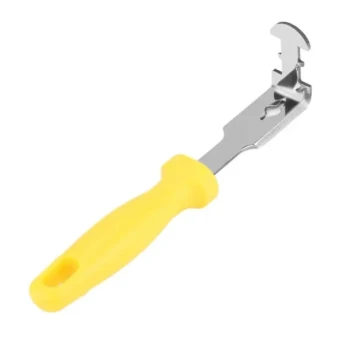
- Heavy Duty Stainless Steel Frame Cleaner with Plastic Handle
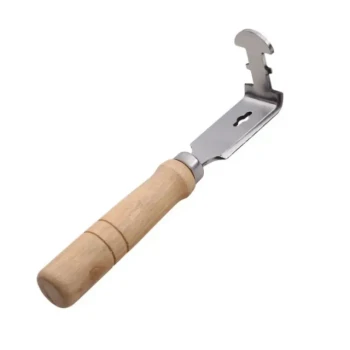
- Professional Stainless Steel Frame Cleaner with Ergonomic Wood Handle
- 8 Frame and 10 Frame Propolis Trap Collector Screen for Propolis Collection
People Also Ask
- What tools are used for cleaning frames? A Beekeeper's Simple 4-Tool Guide
- What are the physical characteristics of the frame cleaning tool? Durable Wood Design for Effective Hive Maintenance
- What is the purpose of the frame cleaning tool? A Precision Tool for Efficient Frame Maintenance
- In what specific situation is the frame cleaning tool particularly useful? Master Cut Comb Maintenance
- What is the function of the frame cleaning tool in beekeeping? Streamline Your Apiary Hygiene and Maintenance