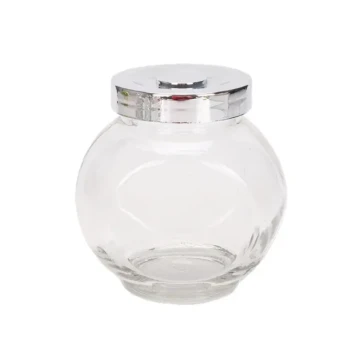
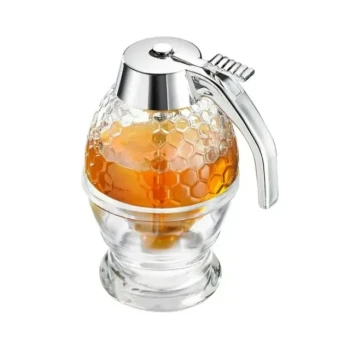
The requirement for specialized storage and sealing equipment is dictated by honey's volatility as a hygroscopic and acidic substance. Because honey actively absorbs moisture from the air and reacts chemically with many standard metals, strict isolation is necessary. Food-grade sterile containers and professional sealing provide a critical physical barrier that prevents fermentation, chemical contamination, and the degradation of flavor and enzymes.
Honey is not a chemically static product; it is biologically active and reacts to its environment. Professional packaging is the only way to arrest these reactions, preventing the product from spoiling due to its own natural properties.
The Chemistry of Preservation
The Threat of Moisture Absorption
Honey is highly hygroscopic, meaning it possesses a natural physical attraction to water vapor in the surrounding air. If exposed to a humid environment, honey will pull moisture into itself until it reaches equilibrium.
This additional water content is dangerous because it dilutes the sugars, creating an environment where natural yeasts can thrive. Professional sealing equipment creates an airtight lock, isolating the honey from atmospheric moisture to prevent secondary fermentation and spoilage.
Managing Acidity and Reactivity
Honey is naturally weakly acidic. This acidity makes it chemically aggressive toward certain materials, particularly reactive metals. Storing honey in non-food-grade metal containers can lead to oxidation and the leaching of metallic compounds into the food.
Food-grade containers—specifically high-grade stainless steel or specialized food-safe plastics—are chemically inert. They resist acid corrosion, ensuring the honey maintains its purity and does not suffer from chemical contamination or off-flavors.
Maintaining Quality and Safety
The Sterile Barrier
The bottling process introduces a risk of microbial contamination. Using sterile containers ensures that no external pathogens or spoilage microorganisms are introduced to the honey before it is sealed.
This sterility, combined with professional sealing, maintains the honey's stability. It ensures the product remains safe for consumption and prevents the migration of packaging materials into the liquid.
Protecting Sensory and Enzymatic Properties
Honey contains delicate enzymes and specific flavor profiles that define its market value. These characteristics are easily degraded by exposure to outside air and environmental pollutants.
Professional-grade containers act as a shield against external odors, which honey can easily absorb. By stabilizing the microenvironment inside the vessel, you preserve the honey’s enzyme activity and characteristic taste during long-term storage or transport.
Common Pitfalls to Avoid
While understanding the requirements is vital, it is equally important to recognize the limitations of different materials.
- Avoid Standard Metals: Never use galvanized or iron containers. The acid in the honey will react with the metal, causing oxidation and ruining the product.
- Plastic Quality Matters: Not all plastics are safe. You must verify that plastic containers are strictly "food-grade" to ensure they provide a sufficient moisture barrier and do not leach chemicals.
- Glass Fragility: While glass is chemically excellent for storage, it offers no protection against light (unless amber glass is used) and poses a breakage risk during transport.
Making the Right Choice for Your Goal
Select your storage method based on how the honey will be handled and distributed.
- If your primary focus is bulk storage or transport: Prioritize high-grade stainless steel drums or professional food-grade plastic for durability and chemical inertness.
- If your primary focus is retail presentation: Utilize sterilized glass jars to provide an absolute barrier against material migration while showcasing the product.
- If your primary focus is preserving bioactive compounds: Choose amber glass or opaque containers to block light and prevent photochemical degradation.
Professional storage is not an optional expense; it is a fundamental requirement to stop honey from chemically degrading into a fermented or contaminated product.
Summary Table:
| Factor | Risk Type | Protective Requirement | Benefit |
|---|---|---|---|
| Hygroscopy | Physical/Biological | Airtight Professional Seals | Prevents moisture absorption and secondary fermentation |
| Acidity | Chemical | Food-grade Stainless Steel/Plastics | Resists corrosion and prevents metallic leaching/contamination |
| Sterility | Microbiological | Sterile Glass/Containers | Eliminates pathogens and spoilage microorganisms before sealing |
| Volatiles | Sensory | Inert Barrier Materials | Preserves delicate enzymes, natural flavors, and floral aromas |
Secure Your Honey Quality with HONESTBEE
Preserving the integrity of your honey requires more than just a vessel—it demands professional-grade precision. HONESTBEE provides commercial apiaries and distributors with a comprehensive range of food-grade honey-filling machines, stainless steel storage solutions, and specialized beekeeping tools designed to meet strict industry standards.
Whether you are looking to automate your bottling line or source high-performance equipment to prevent fermentation and contamination, our team is here to help you scale efficiently. Contact us today to discover how our wholesale machinery and industry consumables can protect your harvest and enhance your market value.
References
- Rustama Saepudin. Identikasi Permasalahan Perlebahan sebagai Dasar Pengembangan Usaha Madu di Provinsi Bengkulu. DOI: 10.31186/jspi.id.10.1.51-58
This article is also based on technical information from HonestBee Knowledge Base .
Related Products
- Food Grade Plastic Honey Bucket Pail for Beekeeping
- Classic Drum Shaped Glass Honey Jar with Airtight Lid
- Honeycomb Style Drip Free Honey Dispenser
People Also Ask
- What key operational precautions should be taken when using honey buckets and extractors fitted with bottom drain taps?
- What functions do food-grade honey buckets perform? Safeguard Your Harvest and Optimize Apiary Logistics
- Why are food-grade plastic buckets preferred for honey? Protect Quality with Modern Honey Collection Tools
- What is the significance of food-grade plastic honey collection buckets? Boost Quality in Forest Honey Logistics
- What is a honey pail? The Essential Container for Protecting Your Honey's Value