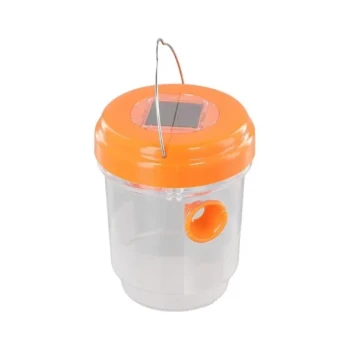
Professional-grade hornet trapping and monitoring equipment is the critical technical foundation for preventing large-scale invasions in high-risk regions. These systems utilize highly specific pheromones and food-based attractants to achieve early detection, allowing for the neutralization of hornet populations before they can establish a foothold. By deploying these professional tools at strategic entry points, such as ports and trade hubs, organizations can effectively block the spread of invasive species and protect vital agricultural assets.
Core Takeaway: Professional-grade equipment moves the strategy from reactive extermination to proactive prevention, securing the biological assets of beekeeping operations by neutralizing threats at the point of entry and during the early stages of colony establishment.
The Strategic Importance of Early Detection
Technical Precision in Attractants
Professional equipment utilizes advanced pheromones and specific food-based attractants designed to target invasive species like Vespa velutina (Asian hornet) and the Oriental hornet.
Unlike generic traps, these precision tools ensure that beneficial insects are spared while maximizing the capture rate of the target predator during the high-risk "foundress" stage.
Blocking Trade Route Introductions
High-risk regions are often defined by their proximity to international trade hubs and ports of entry where hornets are unintentionally introduced via cargo.
Deploying professional monitoring devices at these nodes creates a defensive perimeter that identifies and eliminates individual hornets before they can relocate and reproduce in the local environment.
Protecting Biological Assets and Productivity
Reducing Predation Pressure on Apiaries
Invasive hornets are aggressive predators capable of destroying entire honeybee colonies in a matter of hours.
Professional trapping systems reduce the predation pressure on hives, preventing the colony decline and population collapse that occurs when bees are too stressed to forage or defend themselves.
Securing Large-Scale Beekeeping Operations
For distributors and large-scale operators, the focus is on securing high-value biological assets.
By providing a full-spectrum portfolio of physical barriers and chemical control tools, professional equipment offers a comprehensive defense system that safeguards the economic viability of the local beekeeping industry.
Understanding the Trade-offs: Professional vs. DIY Solutions
The Risk of Ineffective Monitoring
Generic or DIY traps often lack the selectivity and durability required for long-term monitoring programs in high-risk zones.
While DIY solutions may appear cost-effective initially, their failure to provide accurate data or high capture rates can lead to a false sense of security, ultimately allowing an invasion to go unchecked.
Maintenance and Durability Requirements
Professional-grade equipment is engineered for industrial-scale deployment, featuring weather-resistant materials and long-lasting attractants.
The primary trade-off is the higher upfront cost, which is offset by the reduced labor costs associated with less frequent bait replacement and the significantly higher success rate in preventing total colony loss.
The Distributor Advantage: Expert Sourcing and Support
One-Stop Sourcing and Rapid Fulfillment
Distributors and wholesalers require a partner capable of providing a comprehensive product portfolio with ultra-fast delivery.
Professional-grade sourcing ensures that when an invasion threat is detected, the necessary equipment can be deployed immediately through efficient order fulfillment and rapid response logistics.
Leveraging Deep Professional Expertise
Choosing a professional supplier provides access to deep industry expertise, which is essential for educating end-users on proper placement and attractant rotation.
This expertise transforms a simple product sale into a premium trading service, building long-term trust and ensuring the technical success of regional prevention programs.
Applying These Insights to Your Supply Chain
Professional equipment is not just a product; it is a critical infrastructure component for regional biosecurity.
- If your primary focus is Protecting Local Apiaries: Prioritize systems that offer specific defensive perimeters and physical barriers to minimize colony stress and prevent hive destruction.
- If your primary focus is Biosecurity and Prevention: Focus on high-precision monitoring devices equipped with specific pheromones to detect and eliminate queens at ports and trade hubs.
- If your primary focus is Supply Chain Reliability: Source from a one-stop provider that guarantees rapid response times and expert technical support to meet the urgent needs of your B2B clients.
Investing in professional-grade equipment ensures that invasive threats are neutralized before they become unmanageable economic disasters.
Summary Table:
| Feature | Professional-Grade Impact | Business Benefit |
|---|---|---|
| Precision Attractants | High selectivity; targets only invasive species | Minimizes ecological impact & increases capture rates |
| Early Detection | Neutralizes queens at ports and trade hubs | Prevents large-scale regional infestations |
| Industrial Durability | Weather-resistant materials for long-term use | Reduces labor costs and maintenance frequency |
| Supply Logistics | One-stop sourcing with rapid fulfillment | Ensures immediate response to sudden invasion threats |
Secure Your Supply Chain with HONESTBEE Beekeeping Solutions
Protect your clients' biological assets and stay ahead of invasive threats with HONESTBEE. As a premier one-stop source for distributors, wholesalers, and B2B resellers, we provide a comprehensive full-spectrum product portfolio—ranging from specialized hornet trapping systems and hive-making machinery to essential consumables and cultural merchandise.
Why Partner with HONESTBEE?
- High Profit Margins: Competitive wholesale pricing and OEM/ODM support to grow your brand.
- Rapid Order Fulfillment: Ultra-fast delivery and efficient logistics to meet urgent market demands.
- Deep Industry Expertise: Professional guidance on product selection and deployment strategies.
- Reliable Supply: Consistent quality and certifications that you and your customers can trust.
Ready to enhance your inventory with premium trading services? Contact our expert team today to request a quote!
References
- Ehsan Rahimi, Chuleui Jung. Using ecological niche modeling to model invasion risk of hornets (Hymenoptera: Vespidae) in Iran. DOI: 10.5141/jee.24.071
This article is also based on technical information from HonestBee Knowledge Base .
Related Products
- Compact Multi-Funnel Hanging Wasp Trap
- Plastic Beetle Blaster Trap Beekeeping Tools and Supplies
- Reusable Clear Small Hive Beetle Traps for Beehives Beetle Trapping Tools
- Reusable Aluminium Beetle Trap for Small Hive Beetles Silver Bullet
- HONESTBEE Professional Mini J-Hook Hive Tool for Beekeeping
People Also Ask
- What are the practical advantages of using professional wasp traps and protective equipment in apiary management? Scale Up
- Why replace sugar syrup bait in wasp traps every three days? Ensure Maximum Attraction and Catch Rates
- What is the importance of deploying hornet traps around an apiary for maintaining colony stability? Protect Your Yields.
- What are the advantages of placing hornet traps on the tops of beehives? Maximize Hive Defense Against Predators
- What trapping methods and equipment setups protect commercial apiaries against seasonal hornet predation?