Protective gear is the fundamental barrier between a beekeeper and a defensive colony. Its primary function is to shield vulnerable areas of the body from stings, particularly when opening a hive disrupts the colony's routine. By minimizing the risk of injury, this equipment allows the beekeeper to perform necessary maintenance without triggering an escalation in the bees' defensive behavior.
While the obvious purpose of protective gear is to prevent physical pain from stings, its deeper value lies in enabling the beekeeper to work with confidence and stability. By neutralizing the fear of attack, gear allows for calm, steady movements that actually reduce the likelihood of agitating the hive.
The Biology of Defense
Targeting the Breath
Honey bees have evolved specific defense mechanisms against mammalian predators, such as bears. Consequently, they possess CO2 receptors on their antennae that allow them to detect exhalations.
The Face as a Target
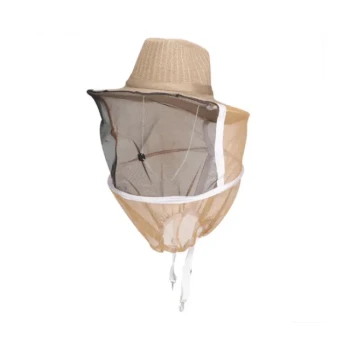
Because bees track Carbon Dioxide to identify threats, they instinctively target the face of the intruder. A jacket with a veil is essential to interrupt this targeting mechanism, protecting the eyes, nose, and mouth from concentrated attacks.
Hive Disruption
As noted in the primary reference, the act of opening a hive disrupts the colony's internal environment. This interruption naturally makes bees more prone to stinging, necessitating a physical barrier for the operator.
Managing Risk and Human Physiology
Venom Tolerance
Honey bees deliver apitoxin when they sting. Physical reactions vary wildly between individuals, ranging from mild irritation to dangerous systemic responses.
The Learning Curve
New beekeepers rarely know their specific susceptibility to bee venom. Full protective gear allows beginners to learn hive management proficiently while safely determining their personal tolerance levels over time.
The Anxiety Loop
Bees perceive fear-related behaviors, specifically the heavy breathing associated with nervousness. Without gear, a nervous beekeeper releases more CO2, attracting more bees, which causes more panic; gear provides the psychological security needed to break this cycle.
Critical Coverage Areas
Ankle Vulnerability
Bees often crawl upwards. It is critical to wear boots—such as rain or work boots—that are high enough to ensure no skin is exposed between the bottom of the pant leg and the footwear.
Hand Protection
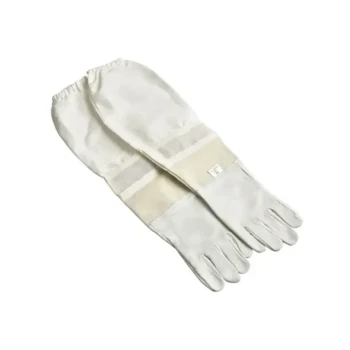
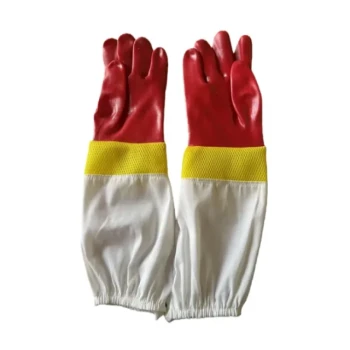
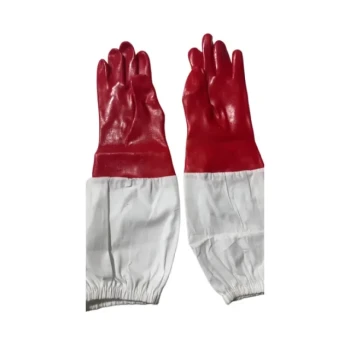
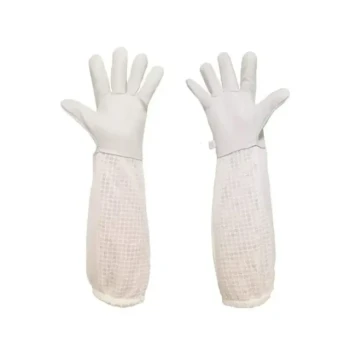
Gloves, often with long gauntlets, protect the hands during direct manipulation of frames. This is where the beekeeper is closest to the colony's population.
Understanding the Trade-offs
Dexterity vs. Safety
While gloves provide necessary protection, they significantly reduce tactile sensation and dexterity. This can make handling delicate frames more difficult and may occasionally lead to accidental squashing of bees, which can release alarm pheromones.
Comfort vs. Security
Full suits offer maximum security but can be hot and cumbersome. The sacrifice of comfort is generally considered a necessary trade-off for the increased protection against a potential hive attack, especially for novices.
Making the Right Choice for Your Goal
Selecting the right level of gear depends largely on your experience level and the temperament of your specific hives.
- If your primary focus is learning the basics: Prioritize a full suit, veil, and gloves to maximize confidence and minimize the distraction of fear while you master hive mechanics.
- If your primary focus is precision and dexterity: Consider transitioning to a jacket and veil with thinner gloves (or no gloves) once experienced, allowing for gentler manipulation of hive components.
- If your primary focus is quick observation: Ensure you always utilize at least a veil and face protection, as the face remains the bees' biological target regardless of your skill level.
Mastering beekeeping requires a calm mind, and appropriate protective gear is the tool that makes that mindset possible.
Summary Table:
| Protective Element | Primary Function | Key Benefit |
|---|---|---|
| Veil & Mask | Blocks CO2 detection/targeting | Protects face, eyes, and airway from instinctive attacks |
| Full Suit/Jacket | Physical apitoxin barrier | Prevents stings during hive disruption and maintenance |
| Gloves/Gauntlets | Hand & wrist protection | Allows safe manipulation of frames and hive components |
| High Boots | Prevents upward crawling | Ensures no skin exposure at the ankle/pant junction |
Elevate Your Apiary Safety with HONESTBEE
At HONESTBEE, we understand that confidence is the key to successful beekeeping. As a premier provider for commercial apiaries and distributors, we offer a comprehensive wholesale range of high-quality protective gear, specialized machinery, and hive-making equipment designed for durability and performance.
Whether you are scaling your operation or supplying the next generation of beekeepers, our portfolio of tools and essential industry consumables provides the reliability your business needs. Contact us today to discuss our wholesale offerings and discover how our expertise can support your growth in the beekeeping industry.
Related Products
- Premium Cowboy Beekeeper Hat with Visibility Veil Outdoor Professional Beekeeping Protective Gear
- Premium Cotton Beekeeper Suit with Reinforced Fencing Veil
- Beekeeping Gloves Goatskin Leather with Long Cotton Sleeve for Beekeepers
- White Cotton Beekeeping Jacket and Veil for Bee Keepers
- Beekeeping Jacket with Hood and Veil for Beekeepers
People Also Ask
- What design features contribute to the stability and fit of the beekeeper hat? Key Features for Maximum Hive Safety
- How is the beekeeper hat designed for comfort and practicality? Explore Key Features for Enhanced Apiary Safety
- What is the general protective gear recommendation for new beekeepers? Your Essential Beginner's Safety Guide
- How does beekeeping protective gear facilitate the queen bee selection process? Enhancing Precision in Queen Breeding
- What should beekeepers consider when choosing protective gear? A Guide for Maximum Safety & Comfort