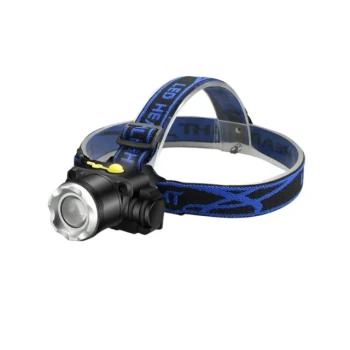
Red light illumination is essential for nighttime honey harvesting because honeybees are biologically incapable of perceiving the red light spectrum. By utilizing this specific wavelength, beekeepers can fully illuminate the workspace to perform intricate extraction tasks while the colony remains undisturbed, behaving as if they are in total darkness.
By exploiting the honeybee's spectral blind spot, red light decouples visual clarity from colony agitation. It provides the operator with necessary visibility without triggering the defensive swarming instincts usually provoked by standard white light sources.
The Biological Mechanism
Spectral Insensitivity
Honeybees possess a visual system that is highly sensitive to ultraviolet, blue, and green light, but is effectively blind to red wavelengths.
When a red light is shined into a hive, the bees do not register it as "light" or an intrusion.
Preventing Light Attraction
Standard white lights act as a beacon in the darkness, attracting bees to the source and triggering aggressive behavior.
Red light eliminates this phototactic response, ensuring the bees do not swarm the operator or the equipment.
Operational Precision and Safety
Maintaining Visual Clarity
While the bees perceive darkness, the human operator retains the ability to see clearly.
This allows for the identification of honeycomb structures and the precise manipulation of frames that the primary reference notes is critical for extraction.
Protecting the Queen and Colony
Working in the dark without illumination invites clumsy handling, but red light mitigates this risk.
As supported by operational safety standards, clear visibility prevents accidental crushing of the queen bee and minimizes damage to the delicate honeycomb structure during frame removal.
Enhanced Operator Safety
Night harvesting inherently minimizes interference with daytime foraging, but it introduces the risk of working with defensive insects in low visibility.
Red light significantly increases operator safety by keeping the colony in a docile, resting state, removing the threat of massive defensive stings associated with agitated bees.
Understanding the Trade-offs
Color Distortion
While red light provides excellent contrast for shapes and movement, it severely distorts color perception.
Beekeepers may find it difficult to distinguish between capped honey, uncapped nectar, or brood solely based on color cues, requiring reliance on texture and pattern recognition.
Intensity Requirements
Not all red lights are created equal; a dim red light provides safety but fails to offer the "high-intensity" visibility mentioned in supplementary safety protocols.
Operators must ensure their equipment projects a strong enough beam to navigate the apiary hazards without bleeding into the yellow/orange spectrum that bees might detect.
Making the Right Choice for Your Goal
To maximize the efficacy of your night harvesting operations, select your lighting equipment based on your specific operational priorities:
- If your primary focus is Colony Calmness: Prioritize lights with a specific wavelength (around 660nm) to ensure complete invisibility to the bees.
- If your primary focus is Operational Speed: Opt for high-intensity, head-mounted red LEDs to ensure hands-free, deep illumination of the hive box for faster frame manipulation.
- If your primary focus is Pest Management: Use the red light to spot hive beetles or moths, which often scurry away from white light but remain visible under red.
Mastering light spectrum discipline is the single most effective way to turn a high-risk night operation into a safe, controlled procedure.
Summary Table:
| Feature | Red Light (660nm) | Standard White Light | Benefit for Beekeeping |
|---|---|---|---|
| Bee Perception | Invisible (Blind spot) | Highly Visible | Keeps bees calm and prevents swarming |
| Phototactic Response | None | High Attraction | Stops bees from flying at the operator |
| Visual Clarity | High (Monochromatic) | High (Full Color) | Allows precise frame and queen handling |
| Colony Stress | Low / Undisturbed | High / Agitated | Maintains a healthy, resting hive environment |
| Application | Night Harvesting | General Maintenance | Ideal for high-risk extraction tasks |
Scale Your Apiary Success with HONESTBEE
Transitioning to professional nighttime operations requires more than just the right light; it requires high-performance equipment that protects your bees and your bottom line. At HONESTBEE, we specialize in supporting commercial apiaries and distributors with a comprehensive wholesale portfolio.
From high-intensity red light equipment and specialized beekeeping tools to advanced hive-making and honey-filling machinery, we provide the industrial-strength solutions you need to optimize production. Whether you are stocking essential consumables or investing in heavy-duty machinery, our expert team is ready to support your growth.
Ready to upgrade your commercial beekeeping inventory? Contact us today to explore our wholesale offerings and discover how HONESTBEE can deliver precision to your apiary operations.
References
- Wolfgang Edrich. In Search of an Appropriate Beekeeping Technology for African Honey Bees. DOI: 10.1080/0005772x.2010.11417361
This article is also based on technical information from HonestBee Knowledge Base .
Related Products
- All-Stainless Steel Pivoting Honey Uncapping Fork for Beekeeping
- Professional Rechargeable Beekeeping Headlamp Flashlight with Red Light Mode and Type-C Charging
- HONESTBEE 6 Frame Self Reversing Electric Honey Extractor for Beekeeping
- Stainless Steel Honey Bee Smoker Hive and Honeycomb Smoker for Beekeeping
- Professional Plastic Honey Dipper for Easy Honey Drizzling
People Also Ask
- How does a honey uncapping fork supplement the use of an uncapping knife? Boost Your Honey Yield and Extraction Efficiency
- What is the design purpose of honey uncapping forks and honey uncapping tanks? Maximize Your Harvest Efficiency
- What are the essential tools for uncapping honey frames? Choose the Right Tool for Your Apiary
- What is the primary function of specialized honey uncapping tools? Maximize Your Extraction Yield and Efficiency
- What tools are used for honey uncapping? Choose the Right Knife for Your Harvest