The necessity of specialized non-chemical equipment stems directly from the strict prohibition of synthetic pesticides and herbicides in organic beekeeping standards. To protect apiaries from lethal parasites like the Varroa mite without violating organic protocols, beekeepers must substitute chemical agents with physical hardware and natural delivery systems.
The Core Reality: In organic apiaries, you cannot trade colony health for chemical purity; you must achieve both simultaneously. Specialized equipment is the only mechanism that allows for the effective management of pests and diseases while ensuring zero chemical residue in the honey and preserving the ecological integrity of the natural pasture.
The Operational Challenge of Organic Apiaries
The Prohibition of Synthetics
Organic beekeeping operates under a strict mandate that forbids the use of conventional chemical pesticides.
This rule is non-negotiable for certification, designed to prevent the accumulation of toxic residues in the wax and honey.
The Biological Threat
Despite these restrictions, colonies face aggressive biological threats, most notably the Varroa mite and predatory hornets.
Without intervention, these pests cause a rapid decline in honey production and can lead to Total Colony Collapse, rendering the apiary economically unviable.
The Role of Specialized Equipment
Atomization of Essential Oils
Since synthetic miticides are banned, beekeepers rely on the atomization of natural essential oils.
Specialized atomization equipment allows for the precise dispersal of these oils within the hive.
This effectively controls parasites like Varroa mites by mimicking natural defenses rather than introducing foreign toxins.
Physical Barriers and Traps
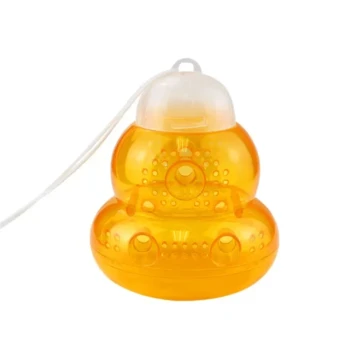
To manage larger predators such as hornets, the organic approach relies on mechanical exclusion.
Specialized insect traps and physical barriers effectively reduce predator numbers without introducing poisons into the ecosystem.
Preserving Ecological Balance
The use of this equipment extends beyond the hive to the pasture itself.
By avoiding chemical sprays, the apiary maintains the ecological balance of the natural pasture, ensuring that the foraging grounds remain uncontaminated.
Understanding the Trade-offs
Equipment Cost vs. Chemical Convenience
Chemical treatments are often inexpensive and require less labor to apply.
Specialized organic equipment, such as essential oil atomizers and durable physical traps, often requires a higher upfront financial investment.
Management Intensity
Using non-chemical equipment generally requires more frequent monitoring by the beekeeper.
Unlike "set-and-forget" chemical strips, physical barriers must be cleaned, and atomizers must be calibrated to ensure efficacy without harming the bees.
Making the Right Choice for Your Goal
To ensure the sustainability of your beekeeping project, consider the following approach:
- If your primary focus is Organic Certification: Invest in high-quality essential oil atomizers to manage Varroa mites without risking residue testing failures.
- If your primary focus is Colony Longevity: Prioritize physical barriers and traps to prevent attrition from predators like hornets, which secures long-term economic viability.
Success in organic beekeeping is defined by the ability to rigorously defend colony health through mechanical innovation rather than chemical reliance.
Summary Table:
| Equipment Type | Purpose | Key Benefit |
|---|---|---|
| Essential Oil Atomizers | Parasite (Varroa) Control | Controls mites with zero synthetic chemical residue |
| Physical Barriers & Traps | Predator (Hornet) Management | Mechanically reduces colony loss without ecosystem toxins |
| Mechanical Exclusions | Hive Protection | Prevents pest entry while maintaining organic certification |
| Calibration Tools | Precision Delivery | Ensures natural treatments are effective and safe for bees |
Elevate Your Organic Apiary with HONESTBEE
Transitioning to chemical-free beekeeping requires more than just intent—it requires the right precision tools. HONESTBEE specializes in supporting commercial apiaries and distributors with high-performance, non-chemical pest management solutions.
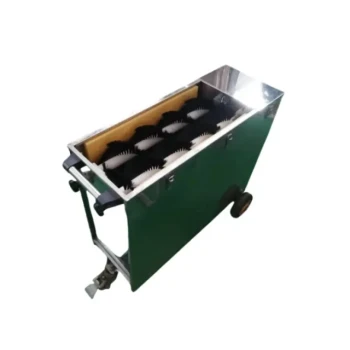
From specialized essential oil atomization hardware to durable physical traps and hive-making machinery, our comprehensive wholesale portfolio is designed to protect your colony's health and ensure your honey meets the strictest organic standards.
Ready to scale your organic honey production? Contact our experts today to discover how our professional beekeeping equipment and consumables can secure your ecological integrity and market competitiveness.
References
- Mahir Murat Cengiz. Arıcılık ve Organik Bal Üretimi İçin Narman (Erzurum, Türkiye) Doğal Meralarında Ballı Bitki Potansiyeli. DOI: 10.17714/gumusfenbil.371886
This article is also based on technical information from HonestBee Knowledge Base .
Related Products
- Varroa Easy Check Mite Tester Kit Counter Alcohol Wash Jar
- Heavy Duty 12V Oxalic Acid Evaporator Vaporizer for Bee Varroa Mite Treatment Beekeeping Fumigator Atomizer
- Durable 12V Oxalic Acid Vaporizer for Varroa Mite Treatment Beehive Beekeeping Tool
- Compact Circular Bee Mite Treatment Dispenser
- Oxalic Acid Vaporizer 12V for Bee Varroa Mite Treatment
People Also Ask
- What tools are utilized within an Integrated Pest Management (IPM) strategy for honeybees? Optimize Colony Health
- What is the significance of standardized detection tools in Varroa control? Data-Driven Beekeeping Strategies
- Why is surfactant added to 70% alcohol for Varroa detection? Ensure Accurate Mite Counts for Professional Beekeeping
- What is the purpose of using white filter cloth for Varroa mite screening? Enhance Detection and Accuracy
- How does a specialized Varroa mite tester with sugar powder facilitate mite diagnosis? Precise B2B Hive Health Solutions