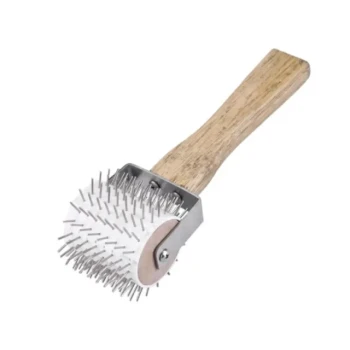
Specialized non-destructive extraction equipment is essential for harvesting Melipona honey because it preserves the honey’s medicinal purity. Unlike standard honeybees, Melipona bees store honey in delicate cerumen pots rather than removable combs. Using precision vacuum or suction devices allows harvesters to extract honey without crushing these pots, preventing contamination from propolis, pollen, or larvae that would otherwise compromise the honey's antiseptic and respiratory therapeutic qualities.
The use of non-destructive suction technology is not merely a convenience but a quality-control necessity for Melipona beekeeping. It protects the structural integrity of the hive’s storage pots to ensure contamination-free medicinal-grade honey while significantly reducing colony recovery time.
Preserving Medicinal Integrity
Preventing Biological Contamination
Melipona honey is highly valued for its use in antiseptic and respiratory treatments, requiring a level of purity that traditional harvesting cannot guarantee. When harvest methods crush the storage pots, the honey mixes with debris from the nest walls.
Non-destructive extraction equipment eliminates this risk. By using precision suction, the honey is removed without disturbing the surrounding materials. This ensures the final product is free from propolis, larvae, and pollen debris, maintaining the specific chemical profile required for medicinal applications.
Meeting High-Value Market Standards
The market value of Melipona honey is directly tied to its purity. Contaminants not only affect the medicinal efficacy but also the flavor and shelf stability.
Specialized equipment, typically constructed from food-grade stainless steel, acts as a hygienic barrier. It ensures that no external metallic impurities or biological waste enter the supply chain, allowing the product to meet rigorous organic and food safety standards.
Respecting Hive Biology and Structure
The Unique Architecture of Stingless Bees
Standard centrifugal extractors are designed for the uniform frames of Apis mellifera (the European honeybee). However, Melipona bees construct irregular cerumen pots (made of wax and resin) to store their honey.
Because these pots are distinct from the brood area, specialized manual or electric pumps allow for targeted harvesting. This equipment navigates the complex hive structure to empty the pots without destroying the nest's internal organization.
Reducing Energy Costs for the Colony
Destructive harvesting forces the colony to rebuild their storage pots from scratch, which is energy-intensive and costly for the bees.
By using negative pressure suction devices, the cerumen pots remain largely intact. This allows the bees to simply clean and refill the existing structures. Consequently, the bees spend less time on construction and repair, significantly shortening the interval between honey production cycles.
Understanding the Trade-offs
Precision vs. Speed
While specialized suction equipment ensures high quality, the process is generally slower than bulk crushing or centrifugal methods used in commercial beekeeping. It requires a steady hand and patience to locate and empty individual pots.
Risk to the Brood Area
Even with non-destructive equipment, the operator must be highly skilled. The honey pots are often located close to the brood (larvae) area. Improper use of suction force or clumsy navigation can still damage the brood nest, stressing the colony and threatening future population growth.
Making the Right Choice for Your Goal
To maximize the value of your Melipona harvest, select your equipment based on your specific end-goal.
- If your primary focus is Medicinal Grade Certification: Prioritize precision vacuum suction devices made of food-grade stainless steel to guarantee zero contamination from larvae or propolis.
- If your primary focus is Colony Sustainability: Choose manual pumping systems that offer tactile feedback, minimizing the risk of accidental damage to the brood nest or pot structure.
By aligning your extraction method with the biological realities of the Melipona bee, you secure both the long-term health of the colony and the premium status of your product.
Summary Table:
| Feature | Traditional Crushing Method | Specialized Suction Equipment |
|---|---|---|
| Honey Purity | High risk of propolis/larvae debris | Maintains medicinal-grade purity |
| Hive Integrity | Destroys delicate cerumen pots | Keeps storage pots intact |
| Colony Recovery | Slow (bees must rebuild from scratch) | Fast (bees clean and refill pots) |
| Material Quality | Often manual/non-specialized | Food-grade stainless steel |
| Market Value | Lower due to contaminants | Premium medicinal-grade pricing |
Elevate Your Apiary with Professional Solutions
At HONESTBEE, we understand that specialized honey requires specialized tools. Whether you are a commercial apiary or a distributor, we provide the precision beekeeping machinery and tools necessary to maintain the highest product standards.
From honey-filling machines to specialized hardware, HONESTBEE caters to the full spectrum of industry needs for distributors and large-scale operations. Contact us today to discover how our comprehensive wholesale offerings and honey-themed merchandise can add value to your business and ensure your honey meets world-class medicinal standards.
References
- Samuel Périchon. From Melipona beekeeping to modern beekeeping: An ethnozoological survey in tropical dry forests of Peru. DOI: 10.1684/agr.2013.0618
This article is also based on technical information from HonestBee Knowledge Base .
Related Products
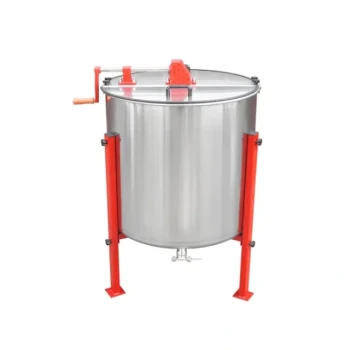
- 6 Frame Manual Stainless Steel Honey Extractor Beekeeping Equipment
- HONESTBEE 2 Frame Manual Acrylic Honey Extractor Beekeeping Equipment
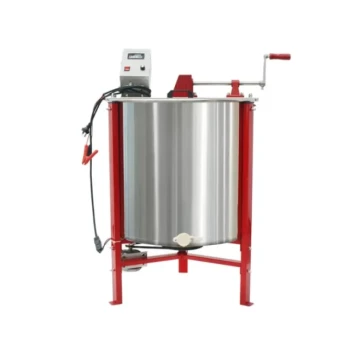
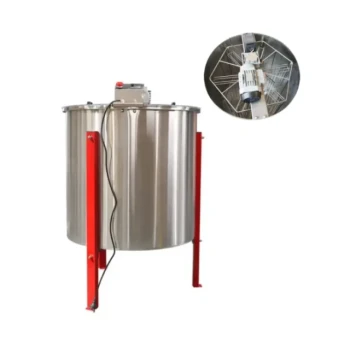
- Electric 8 Frame Honey Spinner Extractor Equipment for Beekeeping
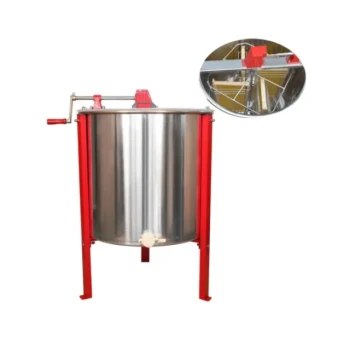
- Stainless Steel Manual 8 Frame Radial Honey Extractor Machine for Beehives
- Stainless Steel 3 Frame Manual Honey Extractor Spinner for Bee Honey Extraction
People Also Ask
- How do you manually extract honey? Choose the Best Method for Your Hive
- What is a manual honey extractor? The Essential Guide to Cost-Effective Beekeeping for Beginners
- Why are manual extractors popular among beginner beekeepers? A Guide to Starting Simple & Saving Money
- What are the disadvantages of a manual honey extractor? Overcome Efficiency Bottlenecks in Your Apiary
- Which type of honey extractor is generally more durable? Focus on Material & Build Quality for Longevity