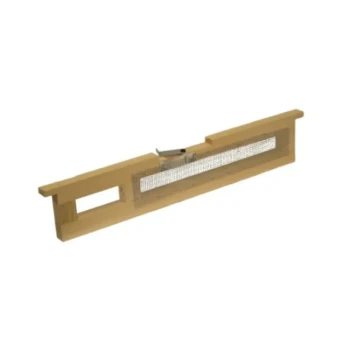
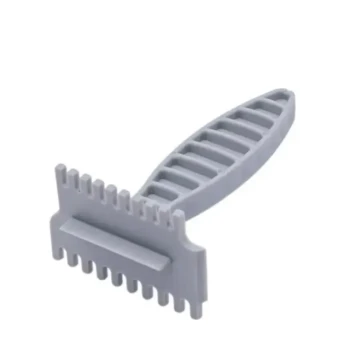
Specialized quarantine equipment creates an essential physical barrier that completely isolates unknown wild swarms from your established apiary. This segregation is the only reliable method to prevent the immediate transmission of external pathogens, such as high-virulence Varroa mites or American Foulbrood, thereby safeguarding the health of your existing commercial assets.
Quarantine serves as a biological firewall; it allows you to observe and verify the health status of a new swarm in a contained environment before it poses a risk to your wider operation.
The Mechanics of Biosecurity
Establishing a Physical Barrier
The primary function of quarantine equipment is total physical isolation. By placing wild swarms in specialized containment, you physically sever the pathway for disease transmission.
This ensures that no contact occurs between the new, potentially infected bees and your healthy colonies. Without this barrier, a single introduced swarm can act as a vector, rapidly spreading infection through drifting or robbing behaviors.
Preventing Pathogen Infiltration
Wild swarms act as a "black box" regarding their health history. They may carry devastating diseases that are not immediately visible.
Specialized equipment contains these threats, specifically preventing the spread of American Foulbrood and aggressive strains of Varroa mites. Stopping these pathogens at the entry point is significantly more cost-effective than treating a widespread outbreak later.
Operational Advantages
Enabling Targeted Monitoring
Quarantine is not just about storage; it is an active observation phase. The equipment is designed to facilitate the use of targeted monitoring tools.
This allows you to assess the colony's brood patterns and pest load safely. You can verify the health status of the swarm over a set period, ensuring no dormant issues surface after integration.
Protecting Apiary Assets
Your existing colonies represent a significant investment in time, genetics, and equipment. Introducing an unvetted swarm without barriers puts that entire asset base at risk.
Using specialized equipment treats biosecurity as an insurance policy. It prioritizes the stability and safety of your verified, productive hives over the potential gain of a single new swarm.
Understanding the Trade-offs
The Reality of Wild Genetics
While quarantine equipment mitigates disease risk, it does not solve genetic deficiencies. As noted in supplementary data, collecting wild colonies often correlates negatively with honey yield.
Wild populations lack the genetic selection found in professional breeding programs. Even if the swarm is healthy, it may exhibit lower production performance compared to poly-line hybrids developed using artificial swarming techniques.
Resource Allocation vs. Reward
Maintaining a quarantine zone requires dedicated equipment, space, and management time. You must weigh these operational costs against the potential value of the wild swarm.
In many professional settings, the effort required to quarantine and rehabilitate a wild swarm may yield a lower return on investment than acquiring standardized, disease-resistant stock.
Making the Right Choice for Your Goal
Before introducing wild swarms, evaluate your operational priorities to determine the rigor of your quarantine protocol.
- If your primary focus is Biosecurity: Mandate a strict isolation period using specialized barriers to prevent the introduction of American Foulbrood and Varroa mites.
- If your primary focus is High Yield: Reconsider the introduction of wild swarms entirely, as they often lack the genetic potential of scientifically bred hybrid lines.
True apiary protection relies on the discipline to verify health before integration, never assuming a swarm is safe until proven otherwise.
Summary Table:
| Feature | Purpose in Quarantine | Biosecurity Benefit |
|---|---|---|
| Physical Isolation | Creates a biological firewall | Prevents cross-contamination and robbing behaviors |
| Pathogen Containment | Traps mites and disease vectors | Blocks American Foulbrood and high-virulence Varroa |
| Monitoring Access | Facilitates brood and pest inspection | Allows for health verification before integration |
| Asset Protection | Segregates unvetted genetics | Safeguards existing commercial hive investments |
Secure Your Apiary’s Future with HONESTBEE
Don't let an unvetted swarm compromise your commercial success. At HONESTBEE, we empower commercial apiaries and distributors with the specialized tools needed to maintain the highest biosecurity standards.
Our comprehensive wholesale range includes everything from hive-making and honey-filling machinery to high-quality beekeeping consumables and hardware. Whether you are scaling your operation or supplying the industry, we provide the equipment that turns biological risks into managed assets.
Ready to upgrade your apiary’s biosecurity and efficiency? Contact us today to explore our full equipment catalog
References
- Noëmie El Agrebi, Claude Saegerman. Beekeepers perception of risks affecting colony loss: A pilot survey. DOI: 10.1111/tbed.14023
This article is also based on technical information from HonestBee Knowledge Base .
Related Products
- Queen Bee Artificial Insemination Instrument Equipment for Instrumental Insemination
- Wooden Queen Bee Excluder for Beekeeping
- HONESTBEE Wooden Bee Escape Board with Triangle Mesh Design for Beekeeping
- Plastic Transporting Bee Packages and Nuc Boxes for Beekeeping
- Plastic Beetle Blaster Trap Beekeeping Tools and Supplies
People Also Ask
- Why is maintaining sanitary conditions important during artificial insemination? Protect Your Queen from Fatal Infections
- Why are artificial insemination instruments critical in bee hybridization? Master Genetic Control & Pure Breeding
- What is the core value of bee artificial insemination instruments in breed improvement? Achieve Precise Genetic Control
- Why is professional bee artificial insemination equipment considered a core tool for genetic control in honeybee breeding? Ensure 100% Purity
- Why is high-purity CO2 used for queen bee artificial insemination? Unlock Precision Breeding & Faster Egg-Laying