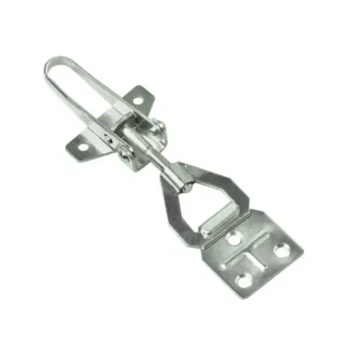
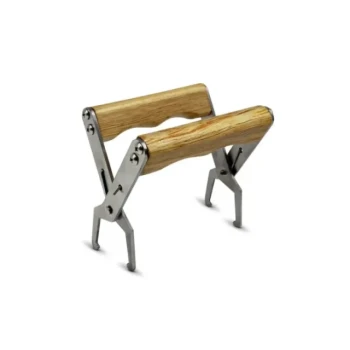
Specialized transport equipment acts as the fundamental infrastructure for migratory beekeeping, bridging the gap between stationary hive management and high-yield mobility. By ensuring structural stability and minimizing physical vibration during long-distance travel, this equipment safeguards colony health, allowing beekeepers to transport hives to specific nectar sources like Rosemary or Eucalyptus without compromising the bees' immediate foraging capacity.
Success in migratory beekeeping is defined by the ability to synchronize colony location with peak flowering cycles. Specialized transport gear is essential because it minimizes transport stress, ensuring colonies remain viable and productive enough to maximize annual honey yields across diverse geographical zones.
Preserving Colony Health During Transit
Ensuring Structural Stability
The primary function of specialized transport devices is to secure the beehive against the physical rigors of the road. Standard cargo methods often fail to dampen vibration sufficiently for fragile honeycombs.
By utilizing purpose-built securing devices, beekeepers minimize physical stress on the colony. This prevents the collapse of frames and maintains the structural integrity required for the colony to function immediately upon arrival.
Reducing Biological Stress
Beyond physical damage, transportation induces significant biological stress in bees, which can lead to increased mortality rates. Specialized equipment is designed to mitigate these risks through improved suspension and mechanical support.
Proper ventilation is also a critical feature of this equipment, preventing overheating during transit. Keeping the colony cool and stable ensures that the bees retain high vitality, ready to begin foraging as soon as they reach the new site.
Maximizing Yield Through Mobility
Leveraging Plant Phenology
Local environments have limited flowering periods, restricting the potential yield of stationary hives. Specialized transport enables beekeepers to overcome these temporal limits by following the "phenology"—the seasonal cycles—of different plants.
This mobility allows for the exploitation of diverse floral resources throughout the year. For example, hives can be moved from a region where Rosemary is fading to a region where Eucalyptus is beginning to bloom.
Increasing Annual Production
The ultimate economic goal of specialized transport is to maximize the honey yield per colony. By constantly relocating hives to resource-rich areas, beekeepers avoid periods of local food scarcity.
This continuous access to nectar transforms beekeeping from a season-limited activity into a year-round production cycle. The result is a significantly higher total annual output compared to traditional, fixed-point beekeeping methods.
Operational Considerations and Trade-offs
The Necessity of Investment
While essential, reliance on specialized equipment introduces higher operational complexity and capital costs compared to stationary apiaries. The equipment must be robust enough to handle frequent loading and unloading cycles without failure.
Mitigation Limits
It is important to recognize that while specialized equipment minimizes stress, it does not eliminate it entirely. Long-distance relocation remains a taxing event for a colony.
Therefore, the efficiency of the equipment must be balanced with careful route planning. Over-reliance on transport without regard for recovery time can still impact long-term colony health despite the use of high-quality gear.
Optimizing Your Migratory Strategy
To effectively leverage specialized transport for your apiary, align your equipment choices with your specific operational targets.
- If your primary focus is Maximizing Yield: Prioritize equipment that offers the fastest safe loading times to capitalize on short, high-intensity blooming windows like Acacia or Linden.
- If your primary focus is Colony Longevity: Invest heavily in transport units with advanced suspension and superior ventilation systems to minimize mortality rates during cross-regional treks.
Effective migratory beekeeping turns logistics into a competitive advantage, using stability to convert travel time into production time.
Summary Table:
| Key Feature | Benefit for Migratory Beekeeping | Impact on Production |
|---|---|---|
| Structural Stability | Minimizes hive vibration and honeycomb collapse | Immediate foraging upon arrival |
| Advanced Ventilation | Prevents overheating during long-distance travel | Lower colony mortality rates |
| Mechanical Support | Reduces biological stress and colony exhaustion | Maintained vitality for peak bloom |
| Rapid Mobility | Synchronizes hive location with plant phenology | Year-round honey production cycle |
Scale Your Migratory Beekeeping Operations with HONESTBEE
Transitioning from stationary hives to high-yield migratory beekeeping requires more than just a plan; it requires the right infrastructure. HONESTBEE empowers commercial apiaries and distributors worldwide with a comprehensive range of professional beekeeping tools and heavy-duty machinery.
Whether you need specialized transport hardware, advanced hive-making machines, or industrial honey-filling equipment, our portfolio is designed to turn your logistics into a competitive advantage. Minimize colony stress and maximize your annual honey output today.
Contact our wholesale experts now to optimize your apiary's efficiency!
References
- Yamina Haider, Nizar Haddad. Beekeeping in Algeria: evaluation of beekeeping practices, trends of management, and challenges. DOI: 10.18697/ajfand.138.23705
This article is also based on technical information from HonestBee Knowledge Base .
Related Products
- Plastic Transporting Bee Packages and Nuc Boxes for Beekeeping
- Durable Plastic Interlocking Hive Connector for Beekeeping
- Professional 600D Oxford Cloth Beekeeping Tool Bag with 8 Pockets and Elastic Loops
- Professional Queen Bee Introduction and Transport Cage
- Durable Galvanized Steel Frame Grip
People Also Ask
- What role do bee package boxes play in the commercial transport and expansion of honeybee colonies? - Logistic Essentials
- What are beekeeping boxes called? A Guide to Hive Bodies and Box Types
- How do standardized bee packages serve as a recovery mechanism for commercial beekeeping? Ensure Business Continuity
- What is the commercial value of using standardized bee packages? Drive Scalability in Large-Scale Apiaries
- Why is the timely introduction of high-quality bee packages critical? Save Your Apiary from Asian Hornet Invasions