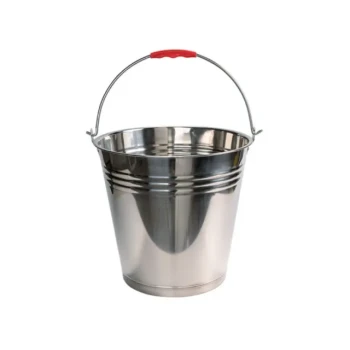
The cleaning and reuse of standardized food-grade containers is the linchpin of sustainable honey production. By prioritizing high-turnover, reusable vessels, producers significantly reduce environmental impact and minimize waste generation. This practice aligns honey extraction with broader low-resource agricultural philosophies, drastically decreasing the industry's reliance on single-use packaging materials.
Adopting easy-to-clean, standardized containers does more than lower waste; it bridges the gap between raw agricultural output and a commercially viable, hygienic product, ensuring both environmental responsibility and market competitiveness.
The Environmental Imperative
Minimizing Waste Generation
The primary driver for reusing containers is the reduction of environmental impact. Honey extraction involves significant material throughput; single-use packaging creates unnecessary volume in landfills. By utilizing containers designed for multiple cycles, producers align with a "low resource input, minimal waste output" model.
Decreasing Material Consumption
High-turnover reusability directly impacts the supply chain. Instead of constantly purchasing new packaging materials, a robust cleaning protocol allows for the extended life of existing assets. This reduces the carbon footprint associated with manufacturing and transporting new plastic or glass containers.
Elevating Product Quality and Safety
Eliminating Contamination Risks
Unlike ad-hoc solutions such as recycled beverage bottles, standardized food-grade containers are designed for hygiene and safety. They eliminate the risk of chemical leaching or residual flavors often found in non-standard vessels. Proper filtration and storage in these hygienic environments reduce impurities introduced during manual handling.
Preventing Oxidation
Honey is sensitive to environmental factors. Standardized industrial buckets (such as 2.5-liter units) offer superior sealing capabilities. This airtight seal is critical for preventing oxidation, which can degrade the nutritional value and flavor profile of the honey, and for blocking external contaminants like moisture or dust.
Understanding the Trade-offs
The Operational Burden of Hygiene
Reuse is only as effective as the cleaning process. Relying on reusable containers requires a strict, validated cleaning protocol to prevent cross-contamination between batches. Failure to clean thoroughly negates the benefits and risks spoiling the product.
Initial Investment vs. Scavenging
Transitioning to standardized food-grade containers requires an upfront capital investment. While this is more expensive initially than repurposing used beverage bottles, it is a necessary cost for establishing a professional, scalable operation.
Market Viability and Economics
Meeting Retail Standards
Standardization is the gateway to commercial distribution. Retail supermarket chains require packaging that guarantees consistent sealing and hygiene. Adopting these standards allows producers to move beyond informal sales and enter competitive retail markets.
Transforming Raw Goods into Commodities
Specialized packaging equipment and containers transform raw agricultural honey into a competitive commercial commodity. Features like precise measurement and airtight sealing directly impact the final profitability for beekeepers by ensuring the product looks professional and retains its shelf life.
Making the Right Choice for Your Goal
To maximize the value of your operation, consider your primary objectives:
- If your primary focus is Environmental Sustainability: Prioritize durable, easy-to-clean containers to maximize turnover rates and minimize single-use waste.
- If your primary focus is Market Expansion: Invest in standardized, industrial-grade packaging to meet the hygiene and branding requirements of retail chains.
By integrating standardized reuse protocols, you elevate honey production from a raw extraction process to a professional, eco-conscious industry.
Summary Table:
| Key Factor | Benefit of Standardized Reusable Containers | Impact on Honey Production |
|---|---|---|
| Sustainability | Reduces single-use plastic and glass waste | Lowers carbon footprint & material costs |
| Hygiene | Prevents chemical leaching and residual flavors | Ensures food safety and product purity |
| Sealing | Airtight industrial-grade seals | Prevents oxidation and moisture absorption |
| Market Readiness | Meets retail and supermarket standards | Enables professional branding and distribution |
| Economics | Long-term asset durability | Increases profitability through scalability |
Scale Your Honey Production with HONESTBEE Professional Solutions
Transitioning from informal extraction to a professional, high-turnover operation requires the right infrastructure. HONESTBEE is dedicated to supporting commercial apiaries and distributors with a complete spectrum of wholesale beekeeping tools and industrial machinery.
Whether you need specialized honey-filling machines to automate your standardized packaging or high-durability hardware for large-scale hive management, we provide the essential equipment and consumables to elevate your brand's market competitiveness.
Ready to modernize your apiary? Contact us today to discover how our comprehensive equipment portfolio can streamline your process and maximize your profitability.
References
- Mohammad Kazem Rahimi, Ali Akbar Azimi Dezfouli. Sustainability criteria of apicultural industry: evidence from Iran. DOI: 10.1080/20964129.2020.1818630
This article is also based on technical information from HonestBee Knowledge Base .
Related Products
- Food Grade Plastic Honey Bucket Pail for Beekeeping
- Classic Drum Shaped Glass Honey Jar with Airtight Lid
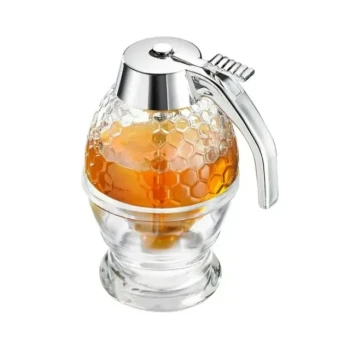
- Honeycomb Style Drip Free Honey Dispenser
- Classic Round Glass Honey Jar with Lid
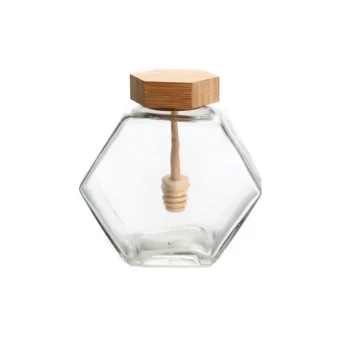
- Hexagonal Glass Honey Jar with Wooden Lid Integrated Dipper Elegant Functional Storage
People Also Ask
- What key operational precautions should be taken when using honey buckets and extractors fitted with bottom drain taps?
- What functions do food-grade honey buckets perform? Safeguard Your Harvest and Optimize Apiary Logistics
- Why are food-grade plastic buckets preferred for honey? Protect Quality with Modern Honey Collection Tools
- What is the significance of food-grade plastic honey collection buckets? Boost Quality in Forest Honey Logistics
- What is a honey pail? The Essential Container for Protecting Your Honey's Value