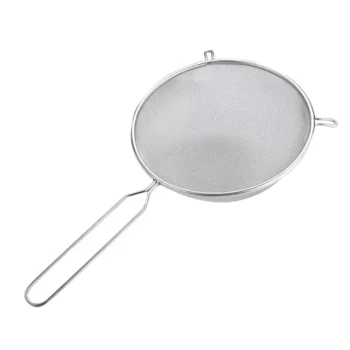
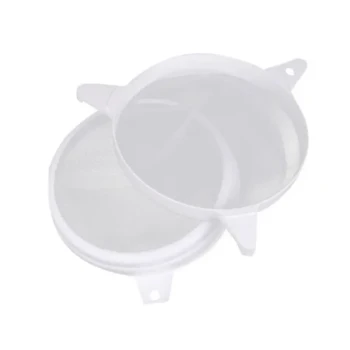
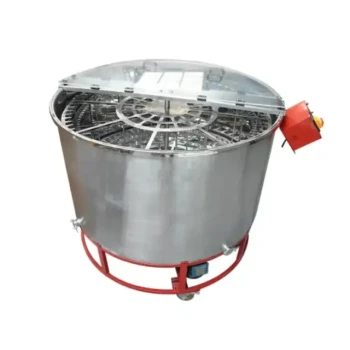
The deployment of industrial-grade filtration and purification equipment is a critical necessity for maintaining economic viability in large-scale honey processing. At its core, this equipment serves to rigorously remove impurities and wax debris while establishing precise control over the honey's moisture content. By securing these parameters, processing plants significantly extend the product's shelf life and enhance sensory qualities like transparency, enabling them to command higher market prices to offset the increasing marginal costs of production.
Industrial filtration is not just about hygiene; it is a strategic tool for mitigating rising production costs by ensuring the final product meets the premium sensory and stability standards required for higher market pricing.
Elevating Product Quality and Market Value
Precision Removal of Impurities
Raw honey often contains physical contaminants that traditional methods cannot efficiently manage at scale. Industrial-grade equipment utilizes multi-stage precision filters to eliminate wax debris, bee remains, and microscopic impurities. This process results in a product with superior clarity and transparency, which are key visual indicators of quality for consumers.
Controlling Moisture to Prevent Spoilage
One of the most critical functions of this machinery is the precise regulation of moisture content. Excess moisture is the primary cause of fermentation and spoilage. By integrating dehydration and vacuum systems, plants can stabilize the honey, thereby significantly extending its shelf life and reducing product loss.
Countering Rising Marginal Costs
As honey production scales, the cost per unit often increases due to logistical and operational complexities. Industrial purification allows plants to position their products in premium pricing tiers. The enhanced sensory quality and purity justify a higher price point, effectively neutralizing the financial pressure of rising marginal costs.
Operational Efficiency and Standardization
Enabling Large-Scale Automation
Transitioning from traditional beekeeping to modern industrial operations requires high-throughput capabilities. Industrial equipment offers the automation needed to separate honey from wax cappings and process large volumes rapidly. This standardization ensures that every batch meets the same rigorous specifications regarding viscosity and cleanliness.
Meeting International Safety Standards
For plants targeting the pharmaceutical or export markets, adherence to strict regulations is non-negotiable. Industrial systems are designed to meet international food safety regulations and hygiene standards. This compliance is essential for entering global markets where manual or traditional processing methods are often deemed insufficient.
Understanding the Trade-offs
Balancing Purity with Bioactivity
While filtration improves clarity, there is a risk of "over-processing." Aggressive filtration or excessive thermal treatment can strip honey of valuable bioactive components and pollen, which define its medicinal value. Operators must calibrate equipment to remove physical impurities without degrading the specific nutritional profile of the nectar source.
Capital Investment vs. Operational Gain
Implementing these systems requires a significant upfront capital investment in machinery like corrosion-free extractors and heat exchangers. While this equipment reduces long-term labor costs and waste, the initial expenditure must be weighed against the projected increase in market pricing leverage to ensure a positive return on investment.
Making the Right Choice for Your Goal
To maximize the utility of industrial filtration systems, align your equipment choice with your specific business objectives:
- If your primary focus is maximizing profit margins: Prioritize equipment that enhances sensory qualities like transparency to justify higher market pricing and offset marginal costs.
- If your primary focus is international export: specific automation features that ensure strict compliance with global food safety and hygiene regulations.
- If your primary focus is preserving medicinal value: Select precision systems designed to remove physical debris without utilizing high heat or ultra-fine filtration that removes bioactives.
Industrial purification is the bridge between raw agricultural output and a stable, commercially viable commodity.
Summary Table:
| Key Feature | Benefit for Processing Plants | Impact on Business Value |
|---|---|---|
| Multi-stage Precision Filters | Removes wax debris and microscopic impurities | Superior clarity and premium market positioning |
| Dehydration & Vacuum Systems | Precise moisture regulation and stabilization | Extended shelf life and reduced fermentation loss |
| Automated Throughput | Rapid honey/wax separation at high volumes | Lower labor costs and operational standardization |
| Standardized Hygiene Control | Compliance with international food safety regs | Access to global export and pharmaceutical markets |
Maximize Your Honey Production Efficiency with HONESTBEE
At HONESTBEE, we understand that large-scale honey processing requires more than just equipment—it requires a strategic advantage. As a dedicated partner to commercial apiaries and distributors, we provide a comprehensive wholesale range of beekeeping tools, industrial honey-filling machines, and advanced purification systems designed to offset rising marginal costs.
Whether you are looking to enhance product transparency for premium pricing or ensure strict compliance for global export, our portfolio covers everything from specialized hive-making hardware to industrial-grade filtration machinery.
Ready to elevate your operational standards and profit margins?
Contact HONESTBEE Today for Professional Solutions
References
- Antoine Champetier, Daniel A. Sumner. Marginal Costs and Likely Supply Elasticities for Pollination and Honey. DOI: 10.1093/ajae/aaz045
This article is also based on technical information from HonestBee Knowledge Base .
Related Products
- Electric Double Wall Honey Filtering Machine Purifier Equipment for Honey Processing Plant
- Professional Stainless Steel Honey Filter with Support Handle
- Professional Stainless Steel Honey Filtering Machine with Water Bath Heating for Beekeeping
- Professional Honey Filter with Tripod Support Stand
- Honey Concentrating and Filtering Dehumidifier Machine 2T Capacity for Honey
People Also Ask
- What is the process of filtering honey? A Guide to Clean, Pure, and Market-Ready Honey
- What types of equipment are used in honey filtering? Build an Efficient System for Pure, Marketable Honey
- What is the overall importance of using the right equipment in honey filtering? Boost Quality & Marketability
- How should honey filtering equipment be properly maintained? Extend Equipment Life & Protect Honey Purity
- What are the benefits of drying honey filtering equipment after use? Protect Your Honey Quality & Equipment Investment