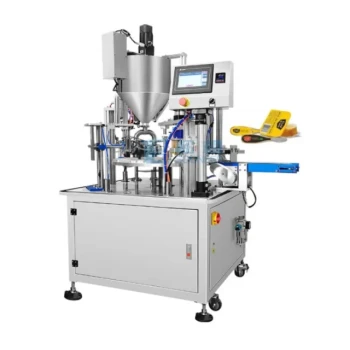
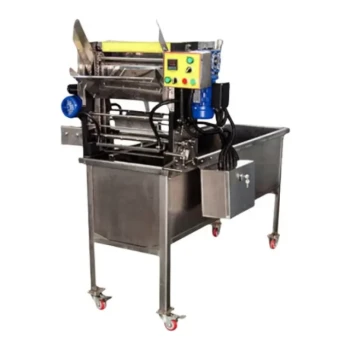
Automated honey filtration and filling machinery acts as a critical hygienic firewall, specifically configured to physically extract biological contaminants introduced by pests. By utilizing multi-stage filtration, these systems efficiently remove larval remains, pest excrement, and mold spores that compromise safety. Furthermore, the precision filling process minimizes air contact, locking in purity and preventing secondary contamination during packaging.
Core Takeaway While automation is often associated with speed, its primary value for apiaries facing pest challenges is contamination control. A closed-loop configuration transforms raw, potentially compromised honey into a sterile, market-ready product by mechanically separating pest debris and eliminating the manual handling that introduces bacteria.
The Defense Against Biological Contamination
Multi-Stage Filtration Protocols
To combat the specific threats of Wax Moths and Hive Beetles, automated systems utilize multi-stage filtration.
This configuration forces honey through successively finer screens.
This process mechanically isolates and removes gross physical impurities, such as larval remains and pest excrement, which are common in hives under pest pressure.
Reduction of Microbial Load
Beyond visible debris, pest infestation often introduces invisible spoilage agents.
Advanced filtration configurations are capable of filtering out mold spores and some microorganisms.
This significantly lowers the baseline microbial load of the honey before it ever reaches the bottle.
Preserving Chemical Integrity via Precision Filling
Minimizing Oxidative Stress
The configuration of the filling machinery is designed to reduce the contact time between honey and air.
Rapid, precision filling prevents prolonged exposure to oxygen, which can degrade quality.
This tight control prevents secondary contamination, ensuring that the purity achieved during filtration is maintained during bottling.
Retention of Bioactive Compounds
Unlike manual methods which may involve open-air exposure, automated machinery often employs closed, hygienic piping.
This containment helps preserve natural antioxidants and beneficial microorganisms, such as lactic acid bacteria.
By maintaining these chemical profiles, the apiary protects the product's natural flavor and nutritional value.
Understanding the Trade-offs
Maintenance of Filtration Media
High-efficiency filtration systems concentrate contaminants in specific zones.
If these multi-stage filters are not cleaned with rigorous regularity, they can become breeding grounds for bacteria.
The configuration is only as effective as the sanitation schedule supporting it.
Balance Between Clarity and Pollen Retention
Aggressive filtration removes pest debris effectively, but it can also strip out beneficial pollen.
Apiaries must configure the mesh size of their filters carefully.
You must balance the need to remove fine pest particulate with the desire to maintain the pollen profile required for certain "raw" honey classifications.
Making the Right Choice for Your Goal
To configure your machinery effectively, assess your specific commercial targets:
- If your primary focus is Food Safety Compliance: Prioritize multi-stage filtration with fine mesh capabilities to guarantee the removal of all larval debris and pest excrement.
- If your primary focus is Premium Market Positioning: Focus on closed-system filling technology that minimizes air contact to maximize antioxidant retention and flavor profile.
- If your primary focus is High-Volume Production: Invest in high-precision quantitative pumps to increase bottling efficiency while reducing material waste.
Automation transforms the challenge of pest pressure into an opportunity for standardized, hygienic excellence.
Summary Table:
| Feature | Protection Mechanism | Impact on Honey Quality |
|---|---|---|
| Multi-Stage Filtration | Physically removes larval remains, excrement, and mold | Ensures food safety and high clarity |
| Closed-Loop System | Eliminates manual handling and open-air exposure | Prevents bacterial ingress and secondary contamination |
| Precision Filling | Minimizes oxygen contact time | Preserves natural antioxidants, flavor, and color |
| Hygienic Piping | Maintains a sealed environment | Retains bioactive compounds and lactic acid bacteria |
Elevate Your Honey Quality with HONESTBEE Professional Solutions
In a commercial landscape where pest challenges and strict food safety regulations are the norm, HONESTBEE provides the advanced machinery you need to stay ahead. As a dedicated partner to commercial apiaries and distributors, we offer a comprehensive wholesale range—from high-precision honey-filling machines and automated multi-stage filtration units to specialized hive-making hardware and essential consumables.
Why choose HONESTBEE?
- Industry-Leading Equipment: Our machinery is designed for closed-loop hygiene, ensuring your honey remains pure and nutrient-rich.
- Scalable Wholesale Supply: We provide everything from heavy-duty machinery to honey-themed cultural merchandise for your brand.
- Expert Support: We help you configure the right mesh sizes and pump speeds to balance clarity with pollen retention.
Contact HONESTBEE Today to discover how our tailored equipment solutions can transform your production efficiency and market positioning.
References
- Sudi Dawud, Birahanu Giza. Diagnostic Survey of Honeybee Diseases, Pests and Predators in Selected Districts of West Hararghe Zone of Oromia, Ethiopia. DOI: 10.11648/j.avs.20241202.11
This article is also based on technical information from HonestBee Knowledge Base .
Related Products
- Automatic Honey Filling and Filtering Machine for Beekeeping Bottle Filling
- Fully Automatic Honey Filling Packaging Machine for Processing Line
- Precision Durable Efficient HONESTBEE Rotary Honey Filling Machine
- Semi Automatic Small Honey Bottle Filling Machine Honey Filler
- Precision Automated Packaging Turntable Honey Spoon Filling Sealing Packing Machine
People Also Ask
- What process advantages do professional honey filtering and filling machines provide? Optimize Your Organic Honey Output
- How do honey filling and filtering machines increase product value? Turn Raw Honey into Premium Export-Grade Goods
- How do honey filtration and filling machinery contribute to industrialization? Scale Your Commercial Honey Production
- What specific issues do industrial filtration and automated filling machinery address? Ensure Honey Quality & Compliance
- How does the use of professional honey filtration and filling machinery facilitate international honey exports?