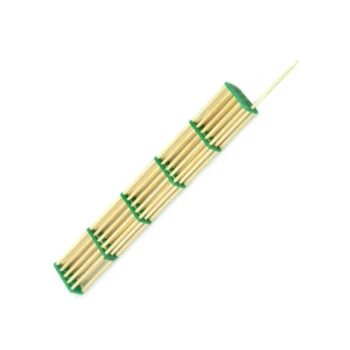
The design of a supered colony with an isolation barrier acts as a biological partition, creating two distinct functional zones within a single hive. It allows the beekeeper to maintain the original queen in the lower section for colony stability while dedicating the upper section to rearing new queens.
By manipulating vertical space and pheromone gradients, this configuration tricks the nurse bees in the upper "super" into raising new queens, all while the colony continues its normal production cycle below.
The Dual-Zone Strategy
The Lower Section: Stability Center
The bottom chamber functions as the colony's anchor. It houses the original queen, allowing her to continue laying eggs and producing pheromones.
This ensures the workforce remains cohesive and the colony retains its defensive strength and stability during the process.
The Upper Section: The Rearing Zone
The "super," or upper box, serves as a specialized nursery. Beekeepers introduce artificial queen cells here to trigger the colony’s reproductive instincts.
Because this section is physically separated from the queen below, it mimics a state of queenlessness or overcrowding, prompting nurse bees to focus intense resources on developing the new queen cells.
The Role of the Isolation Barrier
Managing Pheromones
The isolation barrier is critical for controlling the pheromone concentration gradient.
Queen pheromones are strongest near the queen in the lower box. The barrier restricts these pheromones from fully saturating the upper box, signaling to the bees above that they need to raise a new queen.
Physical Protection
Beyond chemistry, the barrier provides physical security. It prevents the established queen from moving upward.
Without this restriction, the dominant queen would instinctually destroy the competing queen cells in the upper chamber to eliminate rivals.
Production and Genetic Benefits
Uninterrupted Production
Unlike other methods that might require removing the queen (and pausing brood production), this design allows the colony to continue normal activities.
The workforce continues to gather resources and defend the hive, ensuring the honey yield is not compromised during the splitting process.
Enhanced Genetic Selection
This configuration facilitates the use of specialized tools for selecting superior traits.
By controlling the rearing environment, beekeepers can ensure new queens have better genetics for honey gathering and mite resistance, directly improving the long-term viability of the apiary.
Understanding the Trade-offs
Equipment Complexity
Managing a supered colony requires specific hardware and precise timing.
If the isolation barrier is not properly secured or if the vertical spacing is incorrect, the pheromone gradient may fail, causing the bees in the upper super to ignore the queen cells.
Swarm Management Risks
While supers generally relieve overcrowding, using them for queen rearing creates a dense population.
If the "rearing zone" becomes too congested without proper management, the colony may attempt a natural swarm, potentially leading to a loss of bees.
Making the Right Choice for Your Goal
This configuration is a sophisticated tool for advanced colony management. Use the guide below to determine your focus:
- If your primary focus is Colony Multiplication: Use the upper super to maximize the number of artificial queen cells, leveraging the isolation barrier to protect them until they are ready for splitting.
- If your primary focus is Honey Quality: Ensure the super is used strictly for storage after the rearing phase is complete, as the physical separation helps keep the harvest free of brood impurities.
By mastering the isolation barrier, you convert a single hive into a simultaneous production engine and genetic nursery.
Summary Table:
| Feature | Lower Section (Stability Center) | Upper Section (Rearing Zone) |
|---|---|---|
| Primary Occupant | Original Queen & Brood | Nurse Bees & New Queen Cells |
| Pheromone Level | High (Maintains Cohesion) | Low (Triggers Queen Rearing) |
| Main Function | Colony Stability & Laying | Specialized Nursery for New Queens |
| Isolation Role | Prevents Queen from Moving Up | Protects Cells from Destruction |
Scale Your Apiary with HONESTBEE Precision Equipment
At HONESTBEE, we understand that successful queen rearing and colony splitting require more than just knowledge—they require professional-grade tools. As a premier partner for commercial apiaries and global distributors, we provide a comprehensive wholesale range designed to optimize your production efficiency.
From advanced hive-making and honey-filling machinery to high-durability isolation barriers and specialized beekeeping hardware, our portfolio is engineered to support your growth. Whether you are improving genetic selection or maximizing honey yield, HONESTBEE delivers the essential tools and industry consumables you need to succeed.
Ready to elevate your beekeeping operations? Contact our expert team today to discuss wholesale solutions and custom equipment tailored to your business goals.
References
- Delfy Lensari, Jun Harbi. Honeybee Cultivation Training Apis Mellifera with Forest Farmers Group (KTH) Wana Lestari, Rejo Sari Village, Megang Sakti District, Musi Rawas Regency. DOI: 10.32502/altifani.v5i1.268
This article is also based on technical information from HonestBee Knowledge Base .
Related Products
People Also Ask
- Why are specialized queen bee cages used for the banking of mated queen bees? Maximize Commercial Apiary Storage Efficiency
- What is the mechanism of action for using temporary queen bee cages? Master Successful Queen Introduction
- How does the side ventilation design of a queen bee cage impact the safety of the queen during long-distance transport?
- What should you do if the queen is still in the cage and the worker bees have not accepted her? Protect Your Colony from Queen Rejection
- What technical precaution must be taken regarding the mesh or grill side of a queen bee cage? Ensure Queen Survival