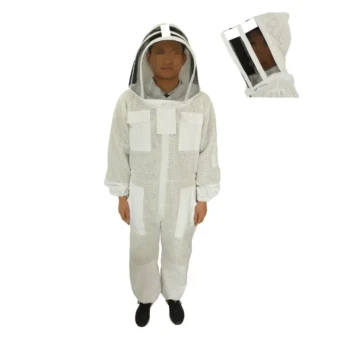
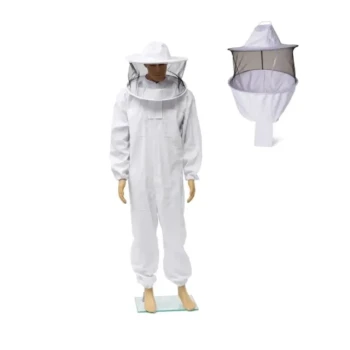
The fit of elasticated cuffs and closures determines the integrity of your protective barrier. These features are essential because they seal the vulnerable entry points at your wrists and ankles, explicitly preventing bees from crawling inside your clothing. Without this tight seal, the fabric layers of your suit are rendered ineffective against intrusion.
The Core Protection Principle While heavy fabric blocks external stings, secure closures prevent the far more dangerous scenario of a containment breach. By eliminating gaps, they ensure bees cannot bypass your primary defenses, maintaining a continuous barrier regardless of how you move.
Securing the Protective Barrier
Eliminating the "Gap" Risk
The primary function of protective apparel is to create a physical barrier. However, loose clothing creates natural gaps that bees can easily exploit.
Elasticated cuffs act as a gatekeeper. They cinch the fabric against the skin or underlying clothing, effectively closing the door to these entry points.
Accounting for Dynamic Movement
Beekeeping is an active pursuit that requires bending, lifting boxes, and reaching across hives. Static clothing often rides up or shifts during these maneuvers.
Professional apparel uses snug-fitting features to maintain the seal during motion. This ensures that a gap does not suddenly appear at your wrist while you are holding a frame, providing continuous protection.
preventing Upward Migration
Bees have a natural tendency to crawl upwards, especially when on the ground or on vertical surfaces. This behavior makes leg openings particularly vulnerable.
Secure ankle closures prevent bees from crawling up the inside of a pant leg. This forces the bee to remain on the outside of the suit, where the fabric can do its job.
Critical Areas of Vulnerability
The Wrist-Glove Interface
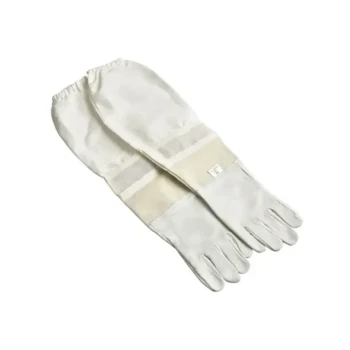
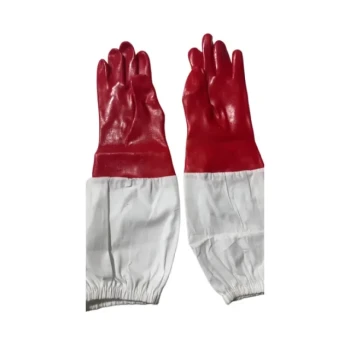
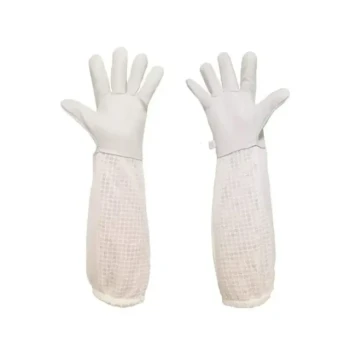
The hands are the closest point of contact with the colony. The junction between the suit sleeve and the glove must be impenetrable.
Elastic cuffs ensures the sleeve remains tucked into or securely over the glove gauntlet. This prevents bees from finding their way into the sleeve while you are working with your hands.
The Ankle-Boot Connection
The area where the suit meets the footwear is critical for preventing "hitchhikers." Bees that fall to the ground often crawl up the nearest object.
Elasticated ankles allow the suit to overlap with boots securely. This seamless integration creates a closed loop of protection from the ground up.
Understanding the Trade-offs
Comfort vs. Security
While a tight seal is non-negotiable for safety, there is a balance to be struck. Excessively tight elastics can restrict circulation or cause chafing during long sessions in the apiary.
The goal is a fit that is "snug" rather than "constricting." It must be tight enough to block a bee but loose enough to allow full range of motion.
The Risk of Degradation
Elastic materials degrade faster than cotton or synthetic fabrics. Over time, heat and washing can cause the elastic to lose its recoil.
A worn-out cuff creates a false sense of security. You may believe you are protected, but the compromised elasticity leaves invisible gaps that a bee can easily find.
Ensuring Your Gear Performs
To ensure your protective apparel functions as a true barrier, assess your gear based on your specific needs:
- If your primary focus is maximum security: Look for gear that includes secondary closures, such as Velcro straps or thumb loops, to reinforce the elastic seal and prevent sleeves from riding up.
- If your primary focus is equipment maintenance: Inspect the elasticity of your cuffs before every hive inspection; if the cuff does not snap back firmly against your skin, the suit is no longer safe to use.
The effectiveness of your beekeeping suit relies not just on the fabric, but on the reliability of its seals.
Summary Table:
| Feature | Primary Function | Safety Benefit |
|---|---|---|
| Elasticated Cuffs | Seals wrist and ankle entry points | Prevents bees from crawling inside clothing |
| Snug Closures | Accounts for dynamic body movement | Maintains barrier integrity during lifting and bending |
| Ankle Seals | Blocks upward bee migration | Stops ground-level bees from entering pant legs |
| Reinforced Loops | Secures sleeves to gloves | Eliminates gaps at the highest contact points |
Elevate Your Apiary Safety with HONESTBEE
At HONESTBEE, we understand that the smallest gap can lead to the biggest risks. As a premier provider for commercial apiaries and distributors, we supply high-quality, professional-grade beekeeping protective apparel designed with precision-engineered closures to ensure total security.
Our comprehensive wholesale range includes:
- Advanced Protective Gear: Suits and jackets with durable, high-recoil elasticated seals.
- Specialized Machinery: From hive-making to honey-filling systems to streamline your operations.
- Essential Consumables: A full spectrum of tools and honey-themed merchandise for your brand.
Partner with a supplier that prioritizes durability and user safety. Contact HONESTBEE today to discuss our wholesale offerings and how we can support your business's growth.
Related Products
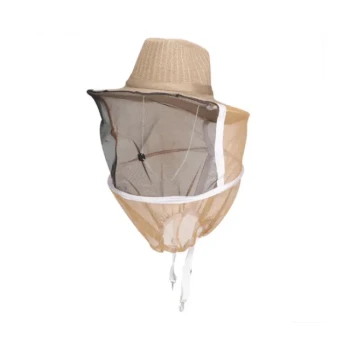
- Beekeeper Cowboy Hat and Veil for Beekeeping
- Beekeeping Gloves Goatskin Leather with Long Cotton Sleeve for Beekeepers
- Professional 600D Oxford Cloth Beekeeping Tool Bag with 8 Pockets and Elastic Loops
- Goatskin Leather Beekeeper Gloves with Vent Long Sleeve for Beekeeping Honey Bee Sting Proof Protection
- Beekeeping Jacket with Hood and Veil for Beekeepers
People Also Ask
- What is the correct way to wash a beekeeping hat and veil? Safe Hand-Washing Guide to Protect Your Gear
- What are the components and importance of a beekeeper's hat and veil? Essential Safety Gear for Apiary Success
- What are the differences between a separated and an attached beekeeping hat and veil? Security vs. Versatility
- What are the design specifications for an effective beekeeping hat and veil? Professional Standards for Protection
- What is the function of a beekeeping hat and veil? Essential Protection for Safe Hive Management