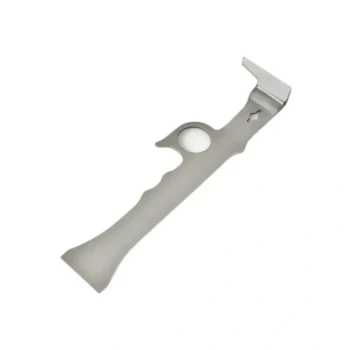
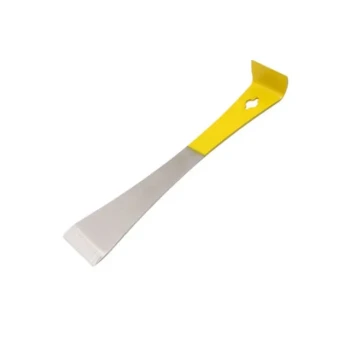
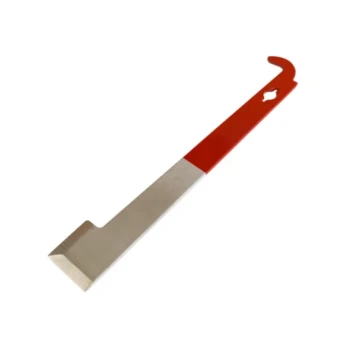
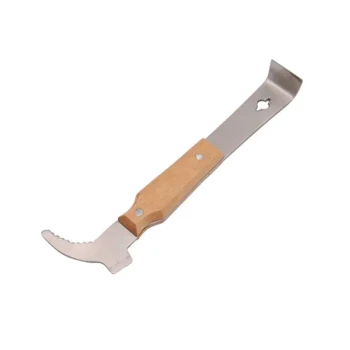
Sustainable harvesting tools are critical because they prevent the lethal destruction of colonies inherent in traditional methods. By replacing practices like burning hives with non-invasive extraction techniques, beekeepers safeguard the queen and larvae, ensuring the colony remains viable to reproduce and maintain the forest's biodiversity.
Core Takeaway: The shift from primitive "nest-raiding" to standardized tool-based harvesting is a shift from resource depletion to resource management. It decouples honey extraction from colony mortality, treating the bee population as a renewable genetic resource rather than a disposable commodity.
The Shift from Destruction to Preservation
Eliminating High-Mortality Practices
Traditional honey harvesting frequently relies on burning or destroying the entire hive structure to access the honeycomb.
This results in mass bee mortality and necessitates the constant repopulation of hives from the wild.
Sustainable tools allow for the surgical removal of honey frames, leaving the hive structure intact and the colony alive.
Protecting the Queen and Larvae
The long-term viability of a hive depends entirely on the reproductive cycle, centered on the queen and the developing larvae.
Professional protective and cutting tools enable beekeepers to extract honey without harming these critical members of the colony.
By preserving the brood, the colony can continue to inhabit the area immediately after harvest, maintaining its population density.
Supporting Broader Biodiversity
A healthy, surviving bee colony acts as a pollination engine for the surrounding ecosystem.
When harvesting does not result in colony collapse, bees continue to pollinate local flora without interruption.
This continuity is essential for the ecological balance of the forest, ensuring plant reproduction and food security for other species.
Technical Precision as Ecological Protection
Preserving Genetic Resources
Modern hive designs and standardized tools facilitate a "non-destructive harvesting process."
This approach protects the specific genetic resources of the local bee population, which may be uniquely adapted to that environment.
By improving raw material recovery rates without killing the bees, these tools support the long-term health of the species population.
Reducing Waste through Maturity Monitoring
Advanced management tools allow beekeepers to monitor honey maturity scientifically, harvesting only when cells are sealed.
Harvesting at the correct time ensures moisture content is kept within the ideal 17% to 21% range.
This prevents fermentation and spoilage, ensuring that the resources the bees expended energy to collect are utilized efficiently rather than wasted.
Understanding the Trade-offs
Equipment vs. Knowledge
While tools prevent physical destruction, they introduce a requirement for technical knowledge that traditional methods do not.
Primitive raiding is a brute-force method; sustainable harvesting requires understanding the life cycle of the hive to use the tools effectively.
The Complexity of Moisture Management
Using advanced tools does not automatically guarantee success; it requires strict adherence to harvesting windows.
If tools are used to extract honey before the honeycomb cells are sealed, the moisture content will be too high.
This leads to fermentation, which ruins the harvest and renders the ecological pressure placed on the bees futile.
Making the Right Choice for Your Goal
Adopting sustainable tools is not just an ethical choice; it is a strategic decision for longevity.
- If your primary focus is Ecological Conservation: Prioritize non-destructive cutting tools and protective gear to ensure zero casualties among queens and larvae during extraction.
- If your primary focus is Economic Stability: Adopt standardized hive designs that maximize recovery rates, allowing for repeated harvests from the same healthy colonies.
- If your primary focus is Product Quality: Use maturity monitoring tools to harvest only when cells are sealed, preserving the biological activity and shelf life of the honey.
True sustainability in honey production is achieved when the harvest cycle supports, rather than interrupts, the life cycle of the colony.
Summary Table:
| Harvesting Impact | Traditional Methods | Sustainable Tool-Based Methods |
|---|---|---|
| Colony Survival | High mortality due to burning/hive destruction | Non-invasive extraction keeps colony alive |
| Queen & Larvae | Frequently killed or displaced | Protected to ensure reproductive continuity |
| Honey Quality | Variable; risk of debris and high moisture | Scientific monitoring for sealed, mature honey |
| Ecosystem Role | Interrupted pollination services | Continuous pollination and genetic preservation |
| Resource Use | Disposable commodity mindset | Renewable management of genetic resources |
Secure the Future of Your Apiary with HONESTBEE
At HONESTBEE, we understand that sustainability is the foundation of long-term commercial success. We provide professional-grade beekeeping tools, hive-making machinery, and honey-processing equipment designed to transition your operations from destructive harvesting to high-efficiency resource management.
Whether you are a commercial apiary looking to maximize recovery rates or a distributor seeking a comprehensive wholesale partner for industry consumables and honey-themed merchandise, we offer the technical precision you need. Our solutions help you protect your bee populations while ensuring your honey meets the highest global standards for maturity and moisture content.
Ready to elevate your production and ecological impact?
Contact Us Today to Explore Our Full Wholesale Catalog
References
- Rendi Prayoga, Lailatur Rahmi. Strategi Pengembangan Pendidikan NonFormal dalam Pengelolaan Hasil Hutan Berbasis Agroforestri melalui Program Sekolah Lebah Madu di Kepulauan Mentawai. DOI: 10.24036/pakar.v22i1.458
This article is also based on technical information from HonestBee Knowledge Base .
Related Products
- Stainless Steel J Hook Hive Tool for Beekeeping
- Durable Galvanized Steel Frame Grip
- Stainless Steel Queen Grafting Tool for Beekeeping and Bee Queen Grafting
- HONESTBEE Advanced Ergonomic Stainless Steel Hive Tool for Beekeeping
- HONESTBEE Classic Pry Bar Hive Tool with High Visibility Finish for Beekeeping
People Also Ask
- What specific challenges do beekeeping hive tools address during hive maintenance? Essential Solutions for Apiaries
- What is a J-hook hive tool and why is it favored by some beekeepers? Master Gentle Frame Handling
- What are the features of a J-hook hive tool? Effortlessly Lift Frames with Superior Leverage
- What is the purpose of the J-hook hive tool? Effortlessly Lift Frames with Superior Leverage
- How is a J-hook hive tool designed and what is its primary use? Master Effortless Hive Inspections