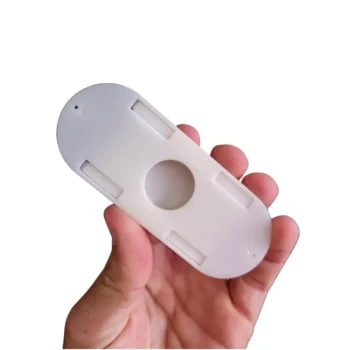
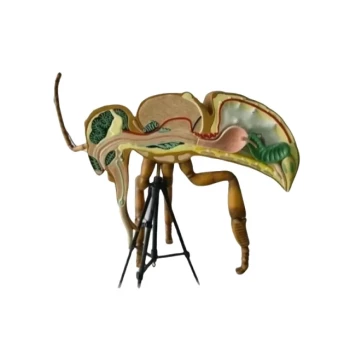
Specialized honeybee counting devices are essential because they provide granular data on workforce attrition that weight measurements alone cannot capture. By monitoring the precise inflow and outflow of worker bees at the hive entrance, these sensors quantify the difference between departing foragers and those that successfully return. This specific metric enables the early detection of "impaired homing ability"—a critical indicator of pesticide exposure, predator attacks, or disease—allowing beekeepers to intervene before the colony collapses.
While standard weight scales track resource accumulation, counting devices measure the survival rate of the workforce itself. They are the only reliable method for detecting abnormal bee loss and navigational failure, serving as an early warning system for environmental hazards that threaten colony survival.
Going Beyond Weight Measurements
The Limitations of Mass
Traditional monitoring often relies on high-precision industrial scales. While these are excellent for tracking nutritional status—indicating nectar collection and honey storage—they provide an incomplete picture of colony health.
A hive can gain weight from a strong nectar flow even if the population of adult bees is rapidly declining. Relying solely on mass changes masks the underlying health of the foraging workforce until it is often too late.
The Precision of Traffic Data
Counting devices fill this data gap by focusing exclusively on the inflow and outflow of bees. Rather than measuring the product (honey), they measure the producers (workers).
This provides a direct assessment of colony strength based on activity levels. It allows for a real-time understanding of how many bees are active versus how many remain in the hive, creating a dynamic profile of the colony's labor capacity.
Detecting Invisible Threats
Identifying Impaired Homing
The most critical function of a counting device is identifying impaired homing ability. This occurs when bees leave the hive but fail to return due to disorientation or physical incapacity.
This is frequently a primary symptom of pesticide poisoning or sublethal chemical exposure. A counting device immediately flags a high discrepancy between departing and returning bees, signaling a toxic event that other sensors would miss.
Spotting Predation and Abnormal Loss
Beyond chemicals, a deficit in returning bees can indicate heavy predation (such as hornets attacking foragers) or other environmental stressors.
By quantifying this "abnormal bee loss," the device provides actionable data. This allows beekeepers to distinguish between natural seasonal population shifts and acute crises requiring immediate intervention.
Understanding the Trade-offs
Contextual Blind Spots
While counting devices are superior for monitoring adult forager health, they do not provide visibility into the hive's internal reproductive status.
A counter cannot tell you if the queen is laying eggs or if the brood is healthy. For that specific data, digital image monitoring systems (which count capped brood) or manual inspections are still required.
The Need for Integrated Data
Counting devices should not be viewed as a replacement for other tools, but as a critical layer in a larger system.
For example, a digital thermometer is still necessary to construct 3D thermal models for overwintering status, and scales are still required to measure food stores. Relying only on entrance counts might lead a beekeeper to miss internal temperature regulation issues or starvation risks during winter.
Making the Right Choice for Your Goal
To build an effective monitoring strategy, you must match the tool to the specific health indicator you need to track.
- If your primary focus is Environmental Safety and Toxicology: Prioritize counting devices to immediately detect high forager loss and impaired homing caused by pesticides or predators.
- If your primary focus is Nutritional Status and Production: Prioritize industrial-grade electronic scales to track honey storage and nectar flow deficits.
- If your primary focus is Reproductive Health: Prioritize digital image monitoring to automate the counting of capped brood and assess the colony's regenerative potential.
- If your primary focus is Overwintering Success: Prioritize multi-point digital thermometers to ensure the colony is maintaining the core temperature required for survival.
Effective colony management requires moving beyond simple weight checks to monitoring the vital statistics of the workforce itself.
Summary Table:
| Monitoring Goal | Recommended Device | Key Metric Captured | Primary Benefit |
|---|---|---|---|
| Workforce Health | Honeybee Counting Device | Inflow vs. Outflow (Homing Rate) | Early detection of pesticide exposure & predation. |
| Nutrition & Yield | Industrial Electronic Scales | Total Hive Mass / Weight Fluctuations | Tracks nectar flow and honey storage levels. |
| Reproduction | Digital Image Monitoring | Capped Brood Count | Assesses queen performance and colony regeneration. |
| Winter Survival | Multi-point Thermometers | Internal Hive Temperature | Ensures thermal stability for overwintering success. |
Elevate Your Beekeeping Operations with HONESTBEE
Are you a commercial apiary or a distributor looking to optimize colony health and honey production? HONESTBEE specializes in providing professional beekeeping tools and advanced machinery tailored for industry leaders. From high-precision monitoring sensors to specialized hive-making and honey-filling machines, our comprehensive wholesale catalog is designed to drive your success.
Why partner with us?
- Comprehensive Portfolio: Access everything from essential consumables to heavy-duty industrial equipment.
- Scalable Solutions: We cater specifically to the needs of large-scale commercial apiaries and international distributors.
- Expert Support: Benefit from our deep industry knowledge and honey-themed cultural merchandise to expand your brand.
Ready to upgrade your infrastructure? Contact us today to explore our wholesale offerings and see how HONESTBEE can empower your business.
References
- Philippe Cousin, Julien de Cledat. The Development of an Efficient System to Monitor the Honeybee Colonies Depopulations. DOI: 10.1109/giots.2019.8766435
This article is also based on technical information from HonestBee Knowledge Base .
Related Products
- Professional Stainless Steel Pry-Bar Hive Tool
- Queen Bee Artificial Insemination Instrument Equipment for Instrumental Insemination
- HONESTBEE Professional Hive Top Bee Feeder Feeding Solution
- All-Stainless Steel Pivoting Honey Uncapping Fork for Beekeeping
- Automatic Honey Filling and Filtering Machine for Beekeeping Bottle Filling
People Also Ask
- What is the function of a professional stainless steel hive tool in IFB? Optimize Your Colony Strength Assessment
- Which technical challenges in hive maintenance are addressed by using a professional stainless steel hive tool?
- What are the primary functions of a stainless steel hive tool? Essential Tips for Efficient Apiary Maintenance
- What are the primary functions of a stainless steel hive tool? Essential Equipment for Professional Beekeeping
- What is the role of professional hive tools in routine apiary maintenance? Expert Tips for Hive Health and Longevity