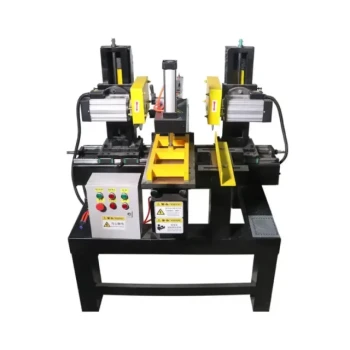
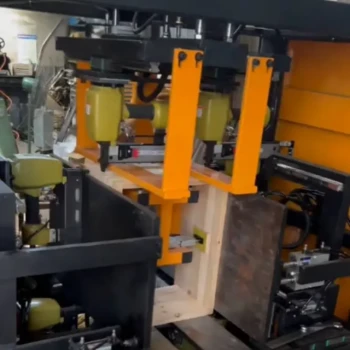
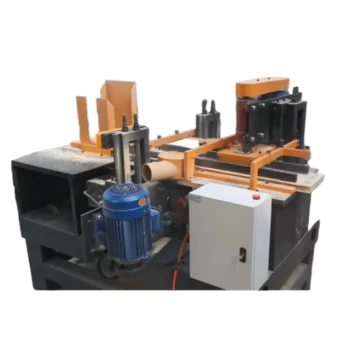
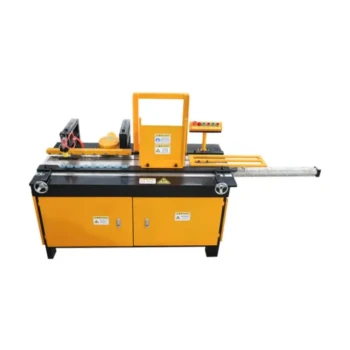
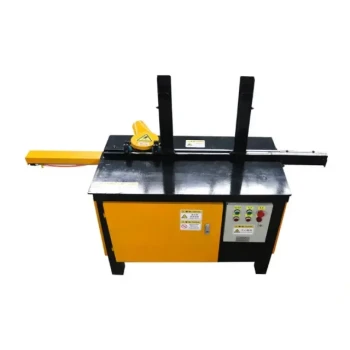
The introduction of standardized beehive manufacturing machinery marks a critical operational shift from relying on unpredictable natural ecosystems to implementing controlled, scientific apiculture. In regions where habitat loss has decimated wild bee populations, this technology enables the mass production of consistent, high-quality hives that serve as stable artificial habitats. By securing the physical health of bee colonies, this machinery ensures that high-value crops like mangoes, cashews, and coffee continue to receive necessary pollination despite environmental degradation.
As natural forest habitats disappear, wild pollination services become unreliable and insufficient for commercial agriculture. Standardized manufacturing serves as the technical foundation for industrial-grade pollination, replacing environmental uncertainty with managed, scalable, and resilient beekeeping systems.
Bridging the Gap Caused by Habitat Loss
The decline of natural forests creates a direct threat to agricultural yield. Standardized machinery addresses this by industrializing the creation of the pollinator's habitat.
Transitioning to Managed Systems
Farmers can no longer depend on wild insects for consistent crop fertilization. Standardized machinery facilitates the transition to scientific apiculture, allowing growers to deploy specific numbers of managed colonies to compensate for the loss of wild biodiversity.
Securing High-Value Crop Yields
Crops such as coffee and tropical fruits are highly sensitive to pollination deficits. By utilizing hives produced with industrial precision, agricultural sectors can maintain production levels and fruit quality even in areas where the surrounding ecosystem has been degraded.
The Technical Impact on Colony Health
The significance of this machinery extends beyond simple carpentry; it directly influences the biological success of the bee colony.
Precision and Thermal Regulation
High-precision woodworking machinery produces hive components with superior insulation properties. This allows honeybees to regulate their internal nest temperature more efficiently, maintaining the optimal 32 to 36 degrees Celsius range required for brood rearing.
Enhancing Biological Resilience
Standardized hives provide a consistent physical barrier against external threats. This structural stability creates a micro-climate that helps colonies withstand extreme weather and environmental risks, drastically improving survival rates compared to makeshift or non-standardized housing.
Operational Efficiency and Scalability
To replace wild pollination on a regional scale, beekeeping must operate at an industrial level. Standardized machinery is the prerequisite for this scalability.
Enabling Large-Scale Mobility
Pollination services often require transhumance—the relocation of hives to different crop fields. Machinery ensures uniform dimensions for all boxes and frames, making stacking, loading, and transport efficient while reducing mechanical stress on the bees.
Universal Interchangeability
In a large-scale operation, equipment mismatch is a logistical failure. Industrial manufacturing ensures that frames, covers, and bodies are universally interchangeable, simplifying management and reducing equipment waste across thousands of colonies.
Understanding the Trade-offs
While standardized machinery offers immense benefits, it introduces specific dependencies that must be managed.
Capital vs. Labor
Moving to machined, standardized hives shifts the input from skilled local craftsmanship to capital investment in equipment. While this increases consistency, it requires upfront financial resources that may be a barrier for smaller, traditional operations.
Dependency on Monoculture Management
Standardization facilitates large-scale management, which often mirrors agricultural monocultures. While efficient, this approach requires vigilant disease monitoring, as pests and pathogens can spread rapidly through uniform, high-density apiaries if not managed with strict biological protocols.
Making the Right Choice for Your Goal
The adoption of this technology should be aligned with your specific agricultural or conservation objectives.
- If your primary focus is Crop Yield Stability: Invest in standardized hives to guarantee a controlled pollination force for high-value crops, independent of the surrounding forest health.
- If your primary focus is Large-Scale Operations: Prioritize machinery that ensures strict dimensional uniformity to maximize logistics efficiency during colony transport and overwintering.
Ultimately, standardized beehive machinery is not just about wood processing; it is an essential infrastructure investment for securing food systems in a changing climate.
Summary Table:
| Key Feature | Impact on Pollination Value | Benefit for Commercial Operations |
|---|---|---|
| High-Precision Woodworking | Ensures optimal thermal regulation (32-36°C) | Higher brood survival & stronger colonies |
| Dimensional Uniformity | Facilitates efficient transhumance (hive mobility) | Scalable pollination services for large farms |
| Universal Interchangeability | Simplifies maintenance and part replacement | Reduced waste and streamlined logistics |
| Industrial Stability | Creates resilient micro-climates for bees | Consistent yields for mango, coffee, and cashew |
Scale Your Apiculture Business with HONESTBEE
As habitat loss challenges traditional beekeeping, HONESTBEE empowers commercial apiaries and distributors with the tools needed for industrial-grade pollination. From high-precision hive-making machinery and honey-filling equipment to a complete range of beekeeping tools and consumables, we provide the technical foundation for scalable, resilient honey production.
Whether you are looking to modernize your manufacturing or supply an entire region with standardized equipment, HONESTBEE delivers the expertise and hardware to secure your agricultural future.
Partner with HONESTBEE today – Contact Us for Wholesale Solutions
References
- Byela Tibesigwa, Jessica Alvsilver. Naturally available wild pollination services have economic value for nature dependent smallholder crop farms in Tanzania. DOI: 10.1038/s41598-019-39745-7
This article is also based on technical information from HonestBee Knowledge Base .
Related Products
- High-Efficiency Pneumatic Bee Hive Making Machine for Rapid Box Assembly
- Mini Desktop Bee Hive Frame Forming Making Machine
- Beehive Machine Double End Saw for Precision Hive Component Manufacturing
- Automatic High-Speed Bee Hive Box Stapling Machine
- HONESTBEE Top Bar & Bottom Bar Forming Machine | Bee Frame Machine
People Also Ask
- How does the introduction of professional beehive-making machinery benefit sustainable beekeeping? Scale Your Apiary
- Why is specialized beehive-making machinery critical for low-defense breeding? Enhance Selection with Precision Tools
- How does the introduction of specialized beehive making machinery contribute to increasing the scale of regional beekeeping industries?
- What is the importance of specialized beehive making machinery in a circular bio-economy? Build Local Sustainability
- Why is specialized beehive-making machinery essential? Scale Your Apiary with Precision Industrial Standards