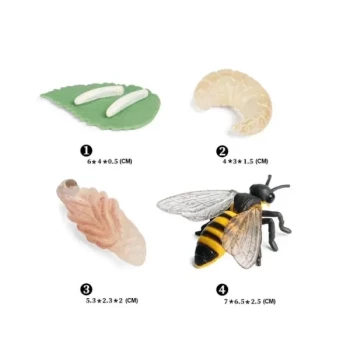
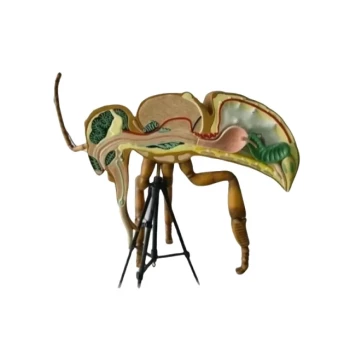
The Liebefelder assessment method is used alongside standardized hive monitoring tools to achieve the highest possible level of precision in evaluating bee colony health. While standardized tools provide a consistent physical environment for observation, the Liebefelder method leverages that environment to generate quantitative physiological data, effectively replacing subjective visual estimates with scientific fact.
Core Takeaway The combination of the Liebefelder method and standardized hardware transforms colony assessment from an art into a science. By eliminating estimation errors, this approach provides the granular data necessary to distinguish between specific causes of decline, such as pesticide poisoning versus natural disease.
The Drive for Quantifiable Precision
Eliminating Visual Estimation Errors
In traditional beekeeping, assessing the health of a colony often relies on the observer's subjective "feel" or visual approximation. The Liebefelder method serves as the industry gold standard because it rejects these approximations. Instead, it demands the precise measurement of three critical physiological metrics:
- Adult bee populations
- Capped brood
- Uncapped brood
Establishing a Scientific Baseline
To identify subtle trends in colony health, you need data that is reproducible. By quantifying the exact number of frames covered by bees and the percentage of larvae present, the Liebefelder method creates a reliable baseline. This allows researchers and managers to spot deviations in colony development immediately, rather than waiting for obvious visual signs of collapse.
The Role of Standardized Hardware
The Langstroth Hive as a Metric
The Liebefelder method cannot function effectively without a consistent physical framework. The standardized Langstroth Hive acts as this framework. Its uniform internal dimensions (typically 10-frame bodies with 435x300 mm measurements) ensure that a "frame of brood" represents a consistent volume of space across different colonies and apiaries.
Ensuring Reproducibility
The movable frame design of standardized hives facilitates the rigorous inspection required by the Liebefelder method. Because the hardware ensures a precise "bee space" and consistent environmental conditions, data collected regarding brood area and colony dynamics is highly reproducible. This consistency is vital for comparing genetic quality between queens or the regulatory capacity of worker bees.
Integration with Modern Sensors
While the Liebefelder method provides manual biological data, standardized hardware often hosts digital monitoring tools that add context.
- Weight Systems: Track foraging efficiency and food reserves, issuing warnings if daily weight gain drops below benchmarks (e.g., 300g in spring).
- Brood Sensors: Monitor core humidity (50%-95%) and temperature, which are critical for validating the larval development data collected via the Liebefelder assessment.
Diagnosing the Root Causes of Decline
Distinguishing Pesticides from Disease
The primary "deep need" for using the Liebefelder method is diagnostic accuracy. A visual check might simply show a weak colony. However, the precise physiological data yielded by the Liebefelder method allows experts to identify specific causes of decline.
Analyzing Brood Patterns
By accurately quantifying capped versus uncapped brood, evaluators can correlate population drops with external factors. For example, a sudden drop in adult population with intact brood might suggest external poisoning (pesticides), whereas specific brood patterns might indicate biological diseases.
Understanding the Trade-offs
Invasiveness vs. Data Quality
While the Liebefelder method offers superior data, it requires thorough colony manipulation. Opening the hive to count brood frames and weigh populations disrupts the colony's internal climate and defensive barrier. This is a trade-off between gathering "gold standard" data and maintaining the colony's immediate stability.
Labor Intensity
Implementing this method is time-consuming compared to simple visual checks. It requires technical personnel to apply specific formulas to calculate populations based on frame coverage. This high labor cost means it is often reserved for research, breeding programs, or diagnosing critical apiary failures rather than daily commercial management.
Making the Right Choice for Your Goal
When deciding whether to implement the Liebefelder method alongside your standard monitoring tools, consider your primary objective:
- If your primary focus is Research or Diagnostics: You must use the Liebefelder method; it is the only way to obtain the granular physiological data required to prove causation for colony decline (e.g., pesticide studies).
- If your primary focus is Commercial Production: You may rely more heavily on automated weighing systems and standard visual inspections to maximize efficiency, reserving the Liebefelder method for troubleshooting specific failing colonies.
Ultimately, the Liebefelder method provides the necessary scientific rigor to turn beekeeping observations into actionable, hard data.
Summary Table:
| Metric Type | Traditional Visual Check | Liebefelder + Standardized Tools |
|---|---|---|
| Data Basis | Subjective "feel"/Estimates | Quantifiable physiological metrics |
| Key Parameters | General activity | Adult bees, capped & uncapped brood |
| Reproducibility | Low (varies by observer) | High (industry gold standard) |
| Diagnostic Value | Broad health trends | Identifies specific causes (pesticide vs. disease) |
| Hardware Role | Inconsistent frame sizes | Standardized Langstroth/Movable frames |
Elevate Your Apiary Operations with HONESTBEE
To implement the Liebefelder method with maximum accuracy, you need precision-engineered hardware. HONESTBEE empowers commercial apiaries and distributors with high-quality, standardized Langstroth hives, hive-making machinery, and advanced honey-processing equipment.
Our comprehensive wholesale offering includes everything from essential industry consumables to honey-themed cultural merchandise. Whether you are looking to scale your production or provide your customers with the industry's best beekeeping tools, we deliver the reliability you need.
Ready to professionalize your beekeeping business? Contact us today to explore our full spectrum of professional-grade equipment and machinery!
References
- H. Michael G. Lattorff. Pollination and Pesticides in runner beans in Poland – a commentary on Kot et al. (2023) in Agriculture 13: 2138. DOI: 10.3897/rio.10.e131405
This article is also based on technical information from HonestBee Knowledge Base .
Related Products
- Honey Bee Lifecycle Model: A Detailed Honeycomb Display of Bee Development
- Heavy-Duty Ergonomic Grip Galvanized Pollen Shovel
- HONESTBEE AC Powered Wire Embedder with Alligator Clips
- Precision Honey Refractometer Instrument for Quality Assessment
- Professional Large-Format Hive Number Set for Beekeeping
People Also Ask
- Are honey bees good to have around? The Essential Role and Ecological Impact of Bees
- Why does standardized equipment lower honey bee winter loss? Master Large-Scale Beekeeping Success
- Do honey bees leave their hives? Understanding the Critical Role of Swarming
- What activities require a lot of energy for honey bees? Understanding the Colony's Energy Budget
- How do honey bees develop from egg to adult? The Complete 4-Stage Metamorphosis Guide