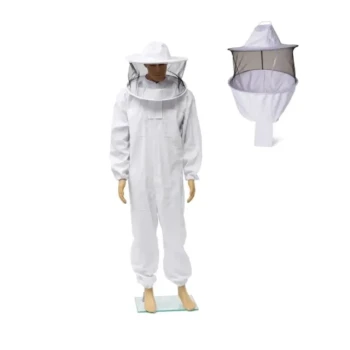
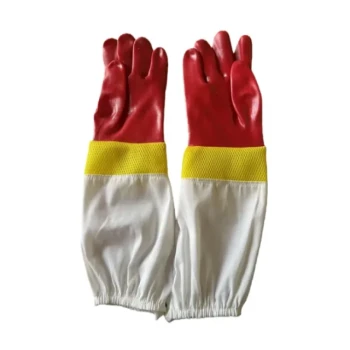
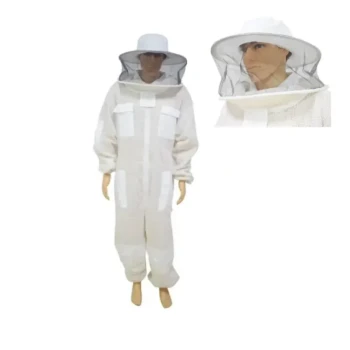
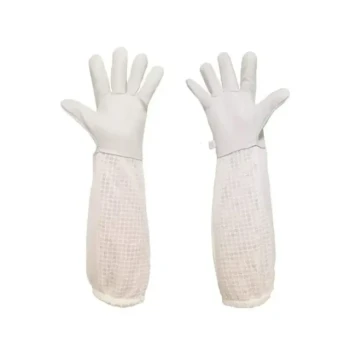
The regular maintenance and cleaning of beekeeping clothing is a fundamental requirement for minimizing colony stress and ensuring operational safety. It involves removing accumulated triggers—such as bee venom, alarm pheromones, and propolis—that can otherwise incite aggression in bees and compromise the beekeeper's ability to manage the apiary effectively.
Core Takeaway Treating beekeeping gear as a sterile instrument rather than simple workwear is essential for high-level apiary management. Clean clothing neutralizes the chemical signals that trigger defensive swarm behavior and acts as a critical biosecurity checkpoint to prevent the spread of pathogens between colonies.
The Impact on Colony Behavior
Neutralizing Chemical Triggers
Bees communicate heavily through scent. Over time, your protective gear absorbs alarm pheromones released during previous inspections or sting attempts.
If these pheromones remain on the fabric, they signal a threat to the colony immediately upon your arrival. Cleaning eliminates these chemical markers, preventing immediate agitation before you even open the hive.
Removing Venom Residue
Similar to pheromones, dried bee venom left on suits can trigger a defensive response.
Regular washing removes these traces, ensuring that the bees do not associate your presence with a previous attack. This helps maintain a calmer environment during inspections.
Biosecurity and Disease Control
preventing Cross-Contamination
Dirty clothing acts as a vector for disease. Spores from American Foulbrood or other pathogens can adhere to fabric and propolis on your gear.
By failing to clean your suit, you risk mechanically transferring diseases from a sick hive to a healthy one. Regular sanitization interrupts this chain of transmission.
Managing Propolis Buildup
Propolis is sticky and can harbor bacteria and debris.
When left to accumulate on gloves and sleeves, it creates a surface that collects further contaminants. Keeping gear free of heavy propolis buildup maintains a higher standard of hygiene across the apiary.
Operational Efficiency and Safety
Enhancing Beekeeper Composure
Protective equipment allows for precise, scientific management rather than chaotic honey hunting.
However, if dirty gear agitates the bees, the intensity of the hive increases. This added stress forces the beekeeper to rush, leading to mistakes and reduced precision in tasks like removing burr combs.
Extending Equipment Longevity
Beekeeping suits rely on specialized, puncture-resistant materials and mesh for safety.
Dirt and propolis are abrasive; they can degrade zippers and stiffen fabrics over time, leading to tears. Regular, gentle maintenance preserves the integrity of the physical barrier, ensuring the equipment remains safe to use for years.
Common Pitfalls to Avoid
Chemical Sensitivities
While cleaning is vital, the choice of detergent is a critical trade-off.
Standard laundry detergents often contain UV brighteners or heavy perfumes. These artificial scents can confuse or enrage bees just as much as pheromones do. You must use unscented, neutral cleaning agents.
Material Degradation from Over-Scrubbing
Aggressive scrubbing to remove propolis can damage the mesh veils and fibers.
This compromises the "biosafety barrier" mentioned in professional standards. It is often better to accept some staining rather than scrubbing the fabric until it thins and loses its puncture resistance.
Making the Right Choice for Your Goal
To manage your apiary effectively, apply these maintenance principles based on your current priorities:
- If your primary focus is Disease Control: Prioritize washing gear immediately after inspecting any hive suspected of illness, utilizing a disinfectant safe for bees to neutralize potential pathogens.
- If your primary focus is Colony Temperament: Wash gear frequently to strip away alarm pheromones, ensuring you use strictly unscented detergents to avoid introducing new olfactory irritants.
Consistent maintenance transforms your protective gear from a passive barrier into an active tool for colony management and biosecurity.
Summary Table:
| Key Maintenance Factor | Impact on Apiary | Why It Matters |
|---|---|---|
| Alarm Pheromones | Neutralizes defensive triggers | Prevents bee aggression and swarming behavior. |
| Biosecurity | Eliminates pathogens & spores | Prevents cross-contamination between healthy and sick hives. |
| Venom Removal | Reduces chemical signals | Stops bees from associating the gear with past threats. |
| Gear Longevity | Preserves fabric & zippers | Extends the life of puncture-resistant materials and veils. |
Elevate Your Apiary Standards with HONESTBEE
At HONESTBEE, we understand that professional beekeeping requires more than just tools—it requires reliability and hygiene. As a premier provider for commercial apiaries and distributors, we offer a comprehensive wholesale range including premium protective suits, advanced hive-making machinery, and specialized honey-filling equipment.
Whether you are scaling your operation or sourcing high-quality industry consumables, our portfolio is designed to enhance your operational efficiency and biosecurity. Contact us today to discuss your wholesale needs and let us help you build a more productive, professional apiary.
Related Products
- White Cotton Beekeeping Jacket and Veil for Bee Keepers
- Premium Cotton Beekeeper Suit with Reinforced Fencing Veil
- Professional Cotton Beekeeper Suit with Round Veil Design for Commercial Apiaries
- Beekeeping Jacket with Hood and Veil for Beekeepers
- Economy Polyester Beekeeping Jacket with Veil and Hat
People Also Ask
- What are the features of an economical beekeeping jacket? Essential Protection for Budget-Conscious Beekeepers
- What are the pros of using a beekeeping jacket? Unlock Superior Comfort and Mobility for Your Apiary
- What factors should a new beekeeper consider when choosing between a jacket and a full suit? Security vs. Comfort
- What are the advantages of a beekeeping jacket? Superior Mobility & Comfort for Routine Hive Inspections
- When is a beekeeping jacket considered a more suitable choice than a full suit? Optimize Your Apiary Mobility