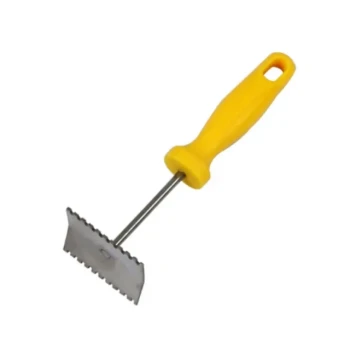
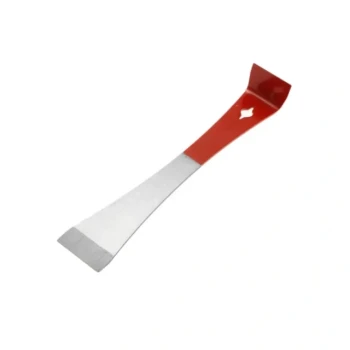
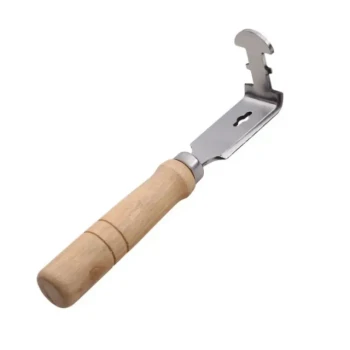
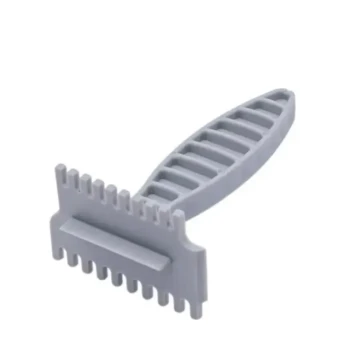
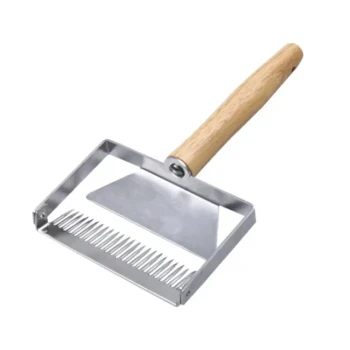
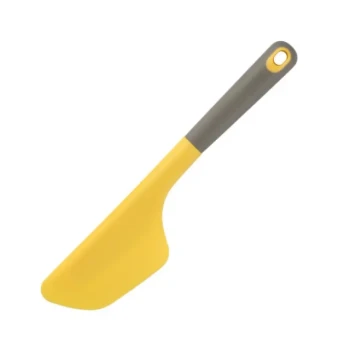
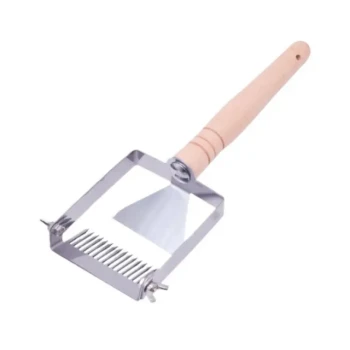
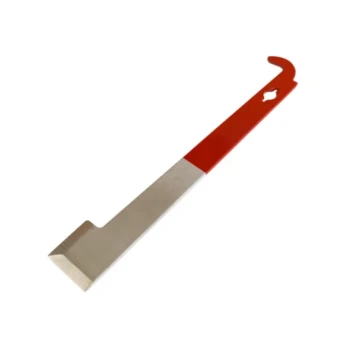
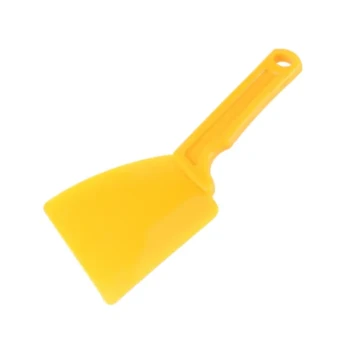
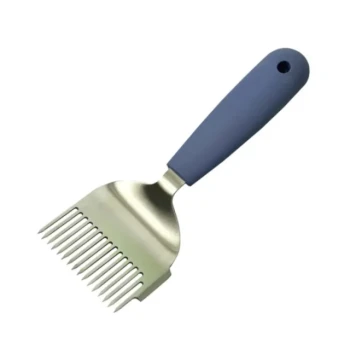
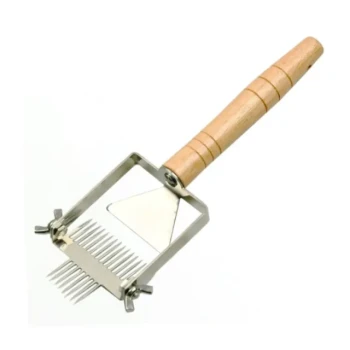
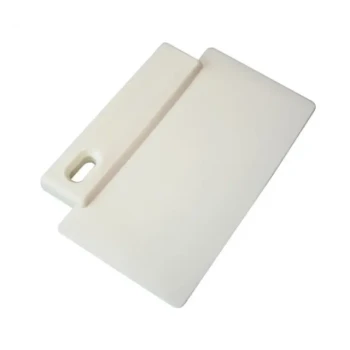
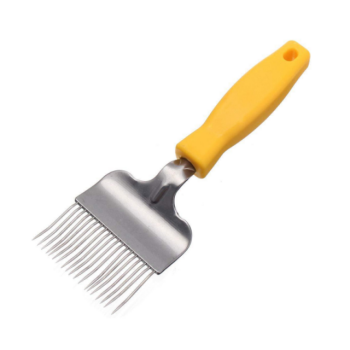
The regular use of metal scrapers is critical for maintaining the structural and biological integrity of a beehive. It serves as the primary method for removing excessive accumulations of propolis and burr comb, which ensures the "bee space" remains standardized. Without this maintenance, debris obstructs air circulation and restricts the movement of honeybees, directly compromising the colony's internal environment.
By removing physical obstructions and biological waste, you are not merely cleaning; you are actively managing the colony's spatial hygiene. This prevents structural issues that hinder bee movement and destroys the breeding grounds of opportunistic pests, creating a baseline for higher survival rates.
Preserving the Hive’s Architecture
Maintaining Precision Clearance
The concept of "bee space" is fundamental to a functional hive. Over time, bees fill gaps with propolis and build burr comb (stray structural wax) in areas where it hinders management.
Using a metal scraper restores the standardized clearance between frames and box components. This precision prevents frames from becoming glued together, allowing for easier inspections without damaging the equipment or injuring the bees.
Optimizing Airflow and Movement
Debris accumulation is not just a nuisance; it is a physical blockade. Excessive wax and propolis restrict the internal air circulation vital for temperature and humidity regulation.
By scraping away these blockages, you ensure the colony can move freely to thermoregulate the hive. This reduces the physiological stress on the bees, allowing them to focus energy on foraging and brood rearing rather than navigating obstacles.
Physical Pest and Pathogen Control
Destroying Pest Breeding Environments
Regular cleaning is a highly efficient, low-cost method of physical pest control. Accumulated waste on bottom boards creates an ideal breeding ground for pests, particularly wax moths.
Scraping debris destroys these micro-habitats before infestations take root. It disrupts the egg-laying environment, significantly lowering the pressure on the colony to defend against internal invaders.
Preventing Fungal and Parasitic Growth
A dirty hive acts as a reservoir for moisture and organic decay. Regular scraping helps maintain a dry and clean environment, which prevents the growth of harmful fungi.
This hygiene measure also aids in the early detection of other predators, such as ants. By removing the organic matter that attracts them, you reduce the likelihood of colonization by secondary predators that prey on weakened hives.
Understanding the Trade-offs
Disturbance and Stress
While essential, scraping is an invasive process. The vibration and noise caused by metal on wood can agitate the colony, potentially triggering defensive behavior or increasing stress levels immediately following inspections.
The Value of Propolis
Bees collect propolis for its antimicrobial properties—it is their "social immunity." A common pitfall is over-cleaning or "sterilizing" the hive. Removing every ounce of propolis can strip the colony of its natural chemical defense system, so the goal is to remove excess obstruction, not to scrub the hive bare.
Making the Right Choice for Your Goal
Effective apiary management requires balancing hygiene with colony stability.
- If your primary focus is Pest Management: Prioritize scraping the bottom boards and corners to remove organic debris that harbors wax moth larvae and fungi.
- If your primary focus is Colony Efficiency: Focus on scraping frame lugs and runners to maintain proper bee space, ensuring optimal airflow and ease of movement for the workers.
A metal scraper is more than a cleaning tool; it is an instrument of environmental control that stabilizes the colony against physical and biological threats.
Summary Table:
| Benefit Category | Primary Action | Impact on Hive Health |
|---|---|---|
| Structural | Maintaining 'Bee Space' | Prevents frames from sticking; ensures ease of inspection. |
| Environmental | Clearing Debris/Wax | Enhances airflow for better temperature & humidity control. |
| Sanitary | Pest Control | Destroys breeding grounds for wax moths and fungi. |
| Operational | Removing Propolis | Reduces physiological stress on bees and improves worker movement. |
Maximize Your Apiary Efficiency with HONESTBEE
Maintaining professional apiary standards requires the right tools. At HONESTBEE, we empower commercial apiaries and distributors by providing a comprehensive wholesale catalog designed for scale and durability. From precision metal scrapers and specialized beekeeping hand tools to advanced honey-filling machines and hive-making hardware, we supply everything your business needs to succeed.
Partner with us to access high-quality industry consumables and honey-themed cultural merchandise that adds value to your brand. Contact us today to explore our wholesale solutions and bulk pricing.
References
- Ahmet Akpınar, Zehra Bozkurt. An Analysis on Migratory Beekeeping in Inner‐West Anatolia Region, Afyonkarahisar, Turkey: Production, Practice, Marketing, and Challenges. DOI: 10.31196/huvfd.982231
This article is also based on technical information from HonestBee Knowledge Base .
Related Products
- Stainless Steel Scraper for Metal Queen Bee Excluders
- Heavy Duty Stainless Steel Frame Cleaner with Plastic Handle
- Professional Steel Pry-Bar Hive Tool with Painted Grip
- Professional Stainless Steel Frame Cleaner with Ergonomic Wood Handle
- Lightweight Durable Plastic Queen Excluder Scraper for Beekeeping
People Also Ask
- How does a queen-bee excluder function as a defense against Small Hive Beetles? Protect Your Honey with Resource Denial
- What are the characteristics of a stainless steel queen excluder? Maximize Your Apiary's Longevity & Hive Fit
- What types of queen excluders are available for beekeepers? Choose the Right Tool for Your Hive
- Why are standardized hive frames and queen excluders essential for maintaining honey purity and quality? Scale Your Purity
- What is the function of the queen excluder in the brood break induction process? Optimize Your Varroa Mite Control