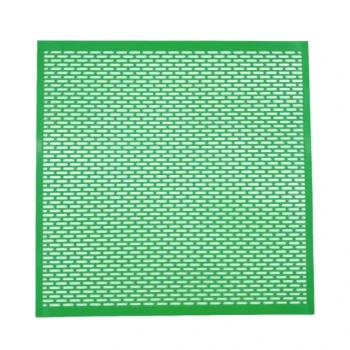
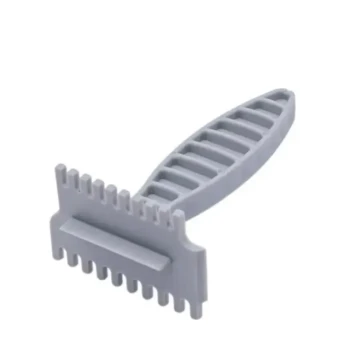
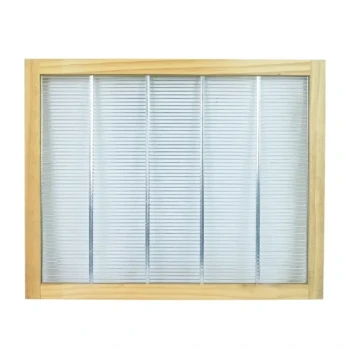
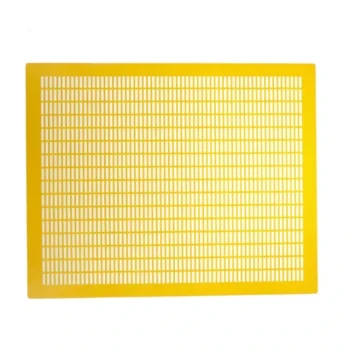
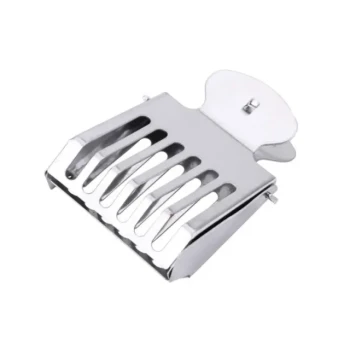
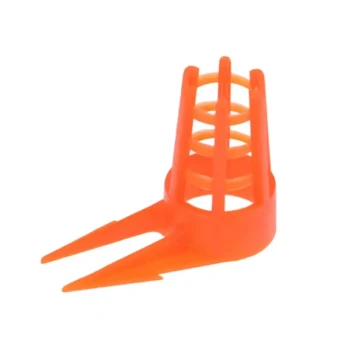
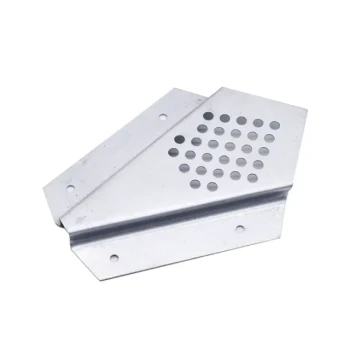
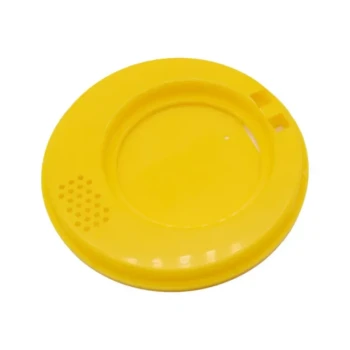
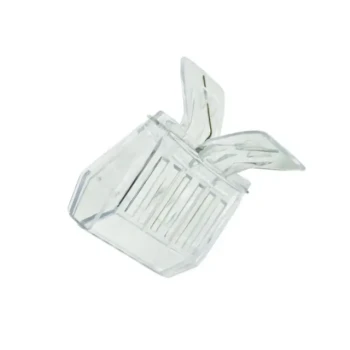
The queen excluder functions as a strategic biological control mechanism during the brood break induction process. Its primary role is to physically confine the queen to a specific, limited area—such as a single frame or hive body—effectively halting egg-laying throughout the rest of the colony to manipulate the reproductive cycle of parasites.
By imposing a physical restriction on the queen, the excluder creates a necessary broodless period. This forces Varroa mites out of the protection of sealed cells and onto adult bees, rendering them highly vulnerable to treatment.
The Mechanism of Restriction
Utilizing Physical Dimensions
The excluder relies on precise aperture sizing to function. Whether made of metal or plastic, the grid allows smaller worker bees to pass through freely while blocking the larger queen.
Targeted Confinement
In a standard setup, excluders keep the queen out of honey supers. However, for brood breaks, the excluder is used to trap the queen in a restricted zone, preventing her from laying eggs in the wider colony.
Inducing the Broodless State
The 14-Day Window
Once the queen is restricted, the clock starts on the colony's brood cycle. Within approximately 14 days, the existing sealed brood in the main colony emerges.
Eliminating Reproductive Hosts
Because the queen cannot lay new eggs outside her confinement area, no new larvae develop to replace the emerging bees. The colony effectively runs out of brood, which is the biological resource Varroa mites require to reproduce.
Exposing the Varroa Mite
Removing the "Safe Harbor"
Varroa mites predominantly hide and reproduce inside sealed brood cells, where they are shielded from many treatments. By inducing a broodless state, the excluder removes this hiding place.
Forcing Phoretic Exposure
With no sealed brood available, all mites are forced to attach themselves to adult bees. This is known as the phoretic stage, where the mites are exposed on the surface of the bee.
Enhancing Treatment Efficacy
This exposure is the ultimate goal of the process. Chemical treatments are significantly more effective when applied during this window, as the mites are no longer protected by a wax capping.
Understanding the Trade-offs
Impact on Colony Population
A brood break intentionally pauses the colony's population growth. While effective for mite control, this interruption must be timed carefully to avoid weakening the hive before critical foraging flows or winter.
Equipment Dependability
The success of this method relies entirely on the integrity of the excluder. If the material is bent or the aperture is imprecise, the queen will escape, the brood cycle will continue, and the treatment window will close.
Making the Right Choice for Your Goal
To effectively utilize a queen excluder, align your strategy with your colony management objectives:
- If your primary focus is Varroa Mite Management: Use the excluder to confine the queen for at least two weeks prior to treatment, ensuring all mites are exposed on adult bees for maximum kill rates.
- If your primary focus is Honey Purity: Use the excluder in its traditional position between the brood nest and supers to prevent larvae contamination in your harvest, independent of mite treatment cycles.
Mastering the use of the queen excluder allows you to transition from simple hive management to precise biological intervention.
Summary Table:
| Feature | Function in Brood Break | Impact on Varroa Mites |
|---|---|---|
| Aperture Design | Blocks the queen; allows worker passage | Prevents new egg-laying in the main colony |
| Confinement Area | Traps queen on a single frame or body | Forces current sealed brood to emerge without replacement |
| 14-Day Cycle | Creates a temporary broodless state | Eliminates reproductive hosts for mites |
| Exposure Effect | Transitions mites to phoretic stage | Mites are forced onto adult bees and vulnerable to treatment |
Maximize Your Colony Health with HONESTBEE Professional Solutions
Effective Varroa management requires precision tools that never fail. HONESTBEE provides commercial apiaries and distributors with high-integrity queen excluders, specialized hive hardware, and honey-processing machinery designed to withstand the rigors of industrial beekeeping.
Whether you are scaling your operation or supplying the industry, our comprehensive wholesale offering ensures you have the reliable equipment and consumables needed for successful biological interventions and high-yield harvests.
Ready to upgrade your apiary’s efficiency? Contact our expert team today to discuss bulk pricing and custom equipment solutions.
References
- Jennifer A. Berry, Lewis J. Bartlett. Inducing a summer brood break increases the efficacy of oxalic acid vaporization for <i>Varroa destructor</i> (Mesostigmata: Varroidae) control in <i>Apis mellifera</i> (Hymenoptera: Apidae) colonies. DOI: 10.1093/jisesa/iead085
This article is also based on technical information from HonestBee Knowledge Base .
Related Products
- High Performance Plastic Queen Excluder for Beekeeping and Apiary Management
- Lightweight Durable Plastic Queen Excluder Scraper for Beekeeping
- Premium Wood Framed Metal Wire Queen Bee Excluder
- Professional Plastic Queen Excluder for Modern Beekeeping
- Metal Queen Bee Excluder for Beekeeping
People Also Ask
- What are the characteristics of a plastic queen excluder? Key Benefits for Cost-Effective Beekeeping
- What are the operational and cost advantages of using plastic queen excluders over metal or wire excluders in commercial hive management? Discover how they reduce labor, prevent wing damage, and lower total costs.
- What types of queen excluders are available for beekeepers? Choose the Right Tool for Your Hive
- Why are standardized hive frames and queen excluders essential for maintaining honey purity and quality? Scale Your Purity
- Do plastic queen excluders work? A Cost-Effective Solution for Modern Apiaries