The removal of queen cells is the primary method for physically arresting a honey bee colony's impulse to swarm. When you destroy these cells during an inspection, you eliminate the biological safety net the colony requires before it can divide. This action forces the existing population to remain in the hive rather than splitting and leaving with a substantial portion of your workforce.
A colony generally cannot swarm without first securing a successor. By removing queen cells, you disrupt the inevitable timeline of the swarm cycle, ensuring the population remains intact and focused on resource accumulation.
The Mechanics of Swarm Prevention
The Prerequisite for Departure
Honey bees operate on a strict biological imperative: they must ensure the survival of the original colony before a swarm departs.
To do this, they must rear a new queen to lead the bees that stay behind.
The construction and capping of queen cells is the physical manifestation of this preparation.
Resetting the Biological Clock
When you identify and remove these cells, you are effectively "resetting the clock" on the swarm.
Because the colony cannot leave without a successor in the pipeline, removing the cells forces them to start the rearing process over from scratch.
This disruption buys the beekeeper valuable time to implement other management strategies, such as adding space or relieving congestion.
Preserving Colony Strength
Maintaining Workforce Density
A natural swarm can deplete a hive of a significant percentage of its adult bees.
This sudden loss of population causes an immediate and drastic drop in productivity, particularly regarding honey production and brood rearing.
Ensuring Resource Continuity
By removing queen cells and preventing the split, you keep the maximum number of foragers in the hive.
This is critical during major nectar flows, where a high population density is required to capitalize on available resources.
Understanding the Trade-offs
The Risk of Queenlessness
While removing cells prevents swarming, doing so indiscriminately carries significant risk.
If the colony is building cells because their current queen is failing, missing, or dead (emergency or supersedure cells), destroying them can leave the colony hopelessly queenless.
You must verify the presence and health of the current queen before removing cells.
A Temporary Fix
Removing queen cells treats the symptom, not the underlying disease.
If the colony is overcrowded, they will rebuild the cells almost immediately after you remove them.
Solely relying on cell removal without addressing space issues creates a high-labor cycle that eventually fails.
Making the Right Choice for Your Goal
Before removing queen cells, assess your objectives for the apiary:
- If your primary focus is Honey Production: Remove swarm cells to prevent the loss of your foraging workforce and maximize the harvest.
- If your primary focus is Colony Expansion: Do not destroy the cells; instead, use the frame with the queen cell to create a "split" (a new hive) artificially.
Effective hive management treats queen cells as a clear signal that the colony requires immediate intervention regarding space or leadership.
Summary Table:
| Aspect | Effect of Queen Cell Removal | Impact on Colony Management |
|---|---|---|
| Swarm Control | Resets the biological swarm clock | Keeps the population intact and prevents workforce loss |
| Productivity | Maintains high forager density | Maximizes honey collection during major nectar flows |
| Population | Forces existing bees to stay | Prevents sudden depletion of adult bee workforce |
| Strategy | Buys time for interventions | Allows beekeepers to add space or address congestion |
Maximize Your Apiary’s Potential with HONESTBEE
Effective swarm management is the foundation of a productive season. At HONESTBEE, we support commercial apiaries and distributors by providing the professional-grade tools needed to maintain colony health and efficiency. From high-capacity honey-filling machines to durable hive-making equipment and essential consumables, our comprehensive wholesale catalog is designed to scale your operations.
Ready to elevate your beekeeping business? Contact us today to discover how our specialized machinery and premium beekeeping supplies can streamline your production and boost your harvest.
Related Products
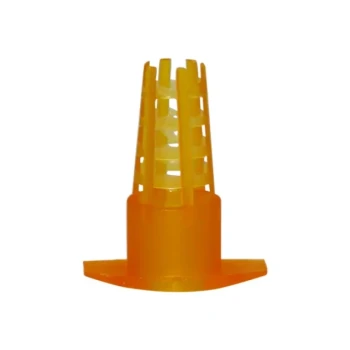
- JZBZ Style Shipping Cell Protector for Queen Rearing Kit
- JZBZ Style Push-In Cell Protector for Professional Queen Rearing Kits
- Premium Nicot Style Cell Bar Holder and Queen Cell Cup Holder System
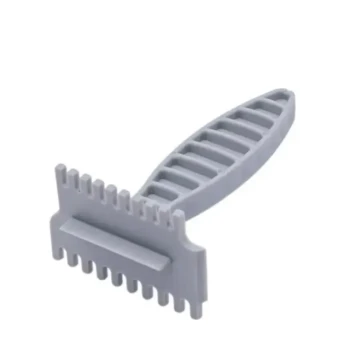
- Lightweight Durable Plastic Queen Excluder Scraper for Beekeeping
- Stainless Steel Scraper for Metal Queen Bee Excluders
People Also Ask
- What is the purpose of queen cell protectors? Safeguard Your Queen Rearing Success
- How can aluminum foil be used to protect a queen cell? Low-Cost Shielding for Queen Introduction
- What are some methods and types of queen cell protectors? Safeguard Your Queen Introduction Process
- What is the primary reason for using queen cell protectors? Secure Your Yield with Proven Protection
- What is the role of queen cell protectors and emergence cages? Secure Your Genetic Stock and Hive Stability