Precision in filtration is the defining factor for the integrity of propolis extraction. The selection of specific fine filtration equipment and consumables is critical because it directly dictates the effective removal of insoluble impurities, residual beeswax, and large molecular suspended matter. Without this rigorous separation, it is impossible to produce the clear, transparent extract necessary for valid scientific analysis and reliable downstream applications.
The clarification stage is not merely about aesthetics; it is a functional prerequisite for analytical accuracy. Proper filtration ensures the removal of interfering particulates that would otherwise skew dry weight measurements, disrupt biological assays, and damage precision laboratory instruments.
The Mechanics of Purification
Targeting Complex Impurities
Propolis extracts are naturally laden with complex contaminants. These include high levels of natural beeswax, insoluble resins, and mechanical debris such as bee fragments.
Overcoming Sedimentation Limits
Natural sedimentation is often insufficient for these extracts. Fine impurities are difficult to separate solely by gravity due to their size and density.
The Role of Specialized Media
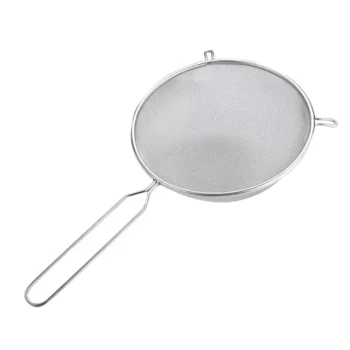
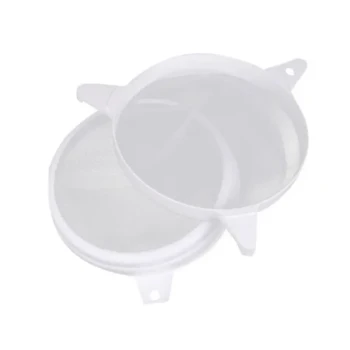
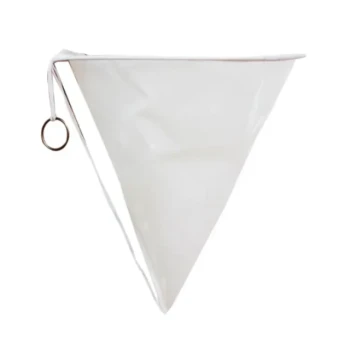
Specialized filter paper and fine filtration equipment are required to achieve true solid-liquid separation. This ensures that insoluble suspended solids are precisely removed, leaving only the active components in the solution.
Ensuring Data Integrity
Accurate Dry Weight Measurement
Producing a clear and transparent extract is vital for establishing a baseline metric. If suspended matter remains, the measurement of dry weight concentration will be artificially inflated, leading to incorrect potency calculations.
Validating Chemical Analysis
Insoluble waxes are notorious for interfering with quantitative chemical analysis. By filtering these out, you ensure that chemical profiles reflect the active propolis compounds, not the inert byproducts.
Impact on Biological Assays
Preventing Visual Interference
In antimicrobial activity tests, such as the agar dilution method used for Salmonella, clarity is essential. If the extract is turbid due to poor filtration, it becomes difficult to distinguish between bacterial growth and inherent extract cloudiness.
Interpreting Antiviral Experiments
Similarly, in vitro antiviral experiments rely on precise interactions. Impurities can physically block interactions or create false positives, making result interpretation impossible without a highly transparent mother liquor.
Common Pitfalls to Avoid
The Cost of Inadequate Filtration
Using general-purpose filters instead of specialized consumables often leads to "bleed-through." Micro-particles of wax may pass into the final filtrate, which might look clear initially but will cause turbidity later.
Risks to Precision Instruments
Skipping fine filtration poses a physical danger to advanced analytical equipment. Residual fine particles can easily block the injection systems of High-Performance Liquid Chromatography (HPLC) units.
Protecting Your Investment
Secondary filtration, often following high-speed centrifugation, acts as a final safeguard. This protects expensive instrumentation from damage and ensures the physical and chemical indicators remain consistent.
Making the Right Choice for Your Goal
To select the correct filtration setup, identify your primary downstream application:
- If your primary focus is Biological Testing (e.g., Antimicrobial/Antiviral): Prioritize media that eliminates all turbidity to prevent visual interference during agar dilution or culture interpretations.
- If your primary focus is Chemical Profiling (e.g., HPLC): Prioritize absolute particle retention ratings to prevent injection system blockages and ensure accurate quantitative analysis.
- If your primary focus is Production Standardization: Prioritize high-throughput separation, such as centrifugation followed by fine filtration, to ensure consistent dry weight concentrations across batches.
The rigor applied to the clarification stage ultimately determines whether your propolis extract is a raw material or a scientific grade product.
Summary Table:
| Filtration Factor | Impact on Propolis Extraction | Benefit of High-Quality Consumables |
|---|---|---|
| Impurity Removal | Eliminates beeswax, resins, and debris. | Ensures a clear, transparent mother liquor. |
| Data Integrity | Prevents inflated dry weight measurements. | Guarantees accurate potency and concentration. |
| Assay Accuracy | Reduces turbidity in biological testing. | Prevents false positives in antimicrobial assays. |
| Device Protection | Removes micro-particles from the filtrate. | Protects HPLC injection systems from blockages. |
Elevate Your Propolis Production with HONESTBEE
At HONESTBEE, we understand that scientific-grade propolis requires precision at every stage. As a leading provider for commercial apiaries and distributors, we offer a comprehensive wholesale range of professional beekeeping machinery, specialized filtration tools, and essential industry consumables.
Whether you are scaling up your extraction process with honey-filling and hive-making machines or need reliable filtration media to ensure batch consistency, our expert team is here to support your growth. Contact us today to discover how our high-performance equipment can optimize your workflow and deliver the purity your customers demand.
References
- Ricardo de Oliveira Orsi, Vassya Bankova. Effects of propolis from Brazil and Bulgaria on Salmonella serovars. DOI: 10.1590/s1678-91992007000400006
This article is also based on technical information from HonestBee Knowledge Base .
Related Products
- 8 Frame and 10 Frame Propolis Trap Collector Screen for Propolis Collection
- Electric Double Wall Honey Filtering Machine Purifier Equipment for Honey Processing Plant
- Heavy Duty Stainless Steel Frame Cleaner with Plastic Handle
- Professional Stainless Steel Honey Filtering Machine with Water Bath Heating for Beekeeping
- 0.5T Capacity Honey Dehumidifier Dryer with Vacuum Heating and Thickening Filtering Machine
People Also Ask
- Why is a specific wooden frame required when installing a propolis screen? Optimize Your Propolis Harvest Efficiency
- What are the advantages of using propolis collector screens? Elevate Your Harvest to Pharmaceutical Purity
- How do propolis collection screens work? Discover material specs for commercial harvesting equipment
- How does the mesh size of a propolis collection screen influence the efficiency of propolis harvesting? Optimize Yields!
- How do commercial-grade plastic screens compare to custom fine-mesh screens? Maximize Your Propolis Yield & ROI