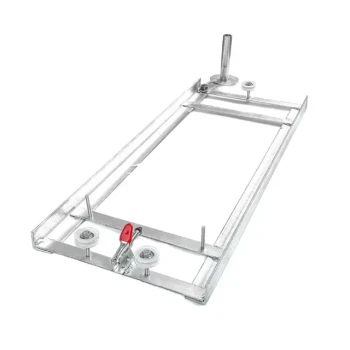
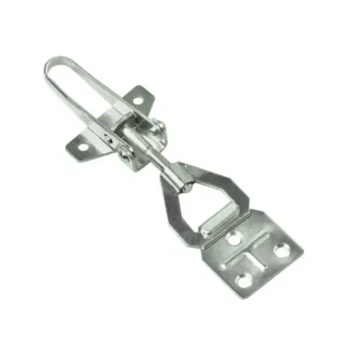
A beehive stand is the structural foundation of a sustainable apiary, serving as a mandatory barrier between the colony and environmental threats. By elevating the hive, it provides a primary line of defense against ground-based predators, prevents structural decay caused by soil moisture, and creates the ergonomic conditions necessary for frequent, safe human intervention.
The beehive stand is not merely a convenience; it is a critical control measure that extends the lifespan of woodenware, secures the colony against pests, and enables the operational efficiency required for modern, scalable beekeeping.
Protecting Colony Integrity
Defense Against Predators
The most immediate function of a hive stand is physical isolation.
Ground-based predators, such as skunks, mice, and insects, pose a constant threat to a colony situated directly on the soil.
By elevating the hive, you force these predators to overcome a vertical barrier, giving the colony guard bees a tactical advantage and reducing infiltration rates.
Moisture and Rot Prevention
Direct contact with the ground acts as a wick for moisture.
This moisture accelerates the decay of the wooden bottom board, leading to expensive equipment failure and compromising the hive's structural precision.
Furthermore, elevation prevents dampness from seeping into the colony, assisting the bees in regulating internal humidity and temperature—factors critical for brood rearing.
Supporting Integrated Pest Management (IPM)
Modern management relies on monitoring tools like screened bottom boards, pollen traps, and debris drawers to track Varroa mite populations.
These mechanisms often utilize drawers located at the very bottom of the hive stack.
A stand provides the necessary vertical clearance to operate these drawers, allowing beekeepers to monitor mite drops and harvest pollen without disturbing the colony.
Operational Efficiency and Ergonomics
Reducing Physical Strain
Modern beekeeping is physically demanding, requiring the repetitive lifting of heavy brood boxes and honey supers.
A stand raises the working surface to a safe lifting height, drastically reducing the strain on the beekeeper's back.
This ergonomic improvement allows for longer, more thorough inspections and reduces the risk of injury, ensuring the beekeeper can maintain the rigorous schedule required for industrial management.
Accessibility and Rapid Response
Standardized stands replace outdated methods, such as hanging hives from trees, by placing colonies in accessible, ground-based rows.
This layout facilitates rapid access for feeding, medication, or inspection, particularly during unstable climate conditions when time is limited.
This accessibility is the cornerstone of labor efficiency, allowing a single operator to manage a significantly larger number of colonies compared to traditional methods.
A Platform for Technology
Precision beekeeping increasingly relies on smart tools, such as acoustic sensors and weight scales.
These devices require a rigid, stable physical platform to function correctly.
A well-constructed stand eliminates ground vibration and shifting, providing the stable baseline needed to integrate these advanced monitoring technologies.
Understanding the Trade-offs
Center of Gravity Risks
While elevating a hive improves ergonomics, it raises the stack's center of gravity.
In areas with high winds, a stand that is too narrow or too tall increases the risk of the hive toppling over, which can be catastrophic for the colony.
Beekeepers must balance ergonomic height with a wide, stable footprint to ensure wind resistance.
Material Maintenance
The stand itself is subject to weathering.
Wooden stands can rot if not treated, eventually collapsing under the weight of a heavy honey harvest.
Metal or concrete stands offer durability but lack the shock absorption of wood; selecting the right material requires analyzing your specific climate and soil conditions.
Making the Right Choice for Your Goal
To maximize the effectiveness of your apiary, align your stand selection with your specific management focus:
- If your primary focus is Pest Control and IPM: Prioritize a stand with an open center or sufficient height to easily slide debris drawers and pollen traps in and out from underneath.
- If your primary focus is Commercial Scalability: Choose standardized, durable stands (such as metal or treated lumber) that allow for uniform spacing and rapid access during mass inspections.
- If your primary focus is Ergonomics and Longevity: Select a stand height that aligns with your waist level to minimize bending, ensuring you can perform detailed inspections without fatigue.
A stable hive is a manageable hive; investing in a proper stand is the first step toward moving from passive observation to active, precise colony management.
Summary Table:
| Benefit Category | Key Advantage | Impact on Apiary |
|---|---|---|
| Protection | Predator Barrier | Reduces skunk, mouse, and insect infiltration |
| Durability | Moisture Prevention | Extends woodenware lifespan and prevents rot |
| Management | IPM Support | Enables use of screened bottom boards and mite traps |
| Ergonomics | Working Height | Minimizes back strain during heavy lifting and inspections |
| Efficiency | Accessibility | Standardizes layout for rapid large-scale colony management |
Maximize Your Apiary's Productivity with HONESTBEE
At HONESTBEE, we understand that a sustainable apiary starts with the right foundation. As a leading partner for commercial apiaries and distributors, we provide a comprehensive wholesale range of beekeeping tools, machinery, and essential consumables designed for modern management.
Whether you need specialized hive-making machinery, honey-filling equipment, or durable hardware to protect your colonies, our portfolio is built to support your growth. Elevate your operational efficiency and protect your investment today.
Ready to scale your beekeeping business?
Contact HONESTBEE Today to explore our wholesale solutions!
Related Products
- Metal Hive Feet Bee Hive Stand for Ant Protection
- Metal Bee Hive Stand Bee Box Stand for Beekeeping
- Plastic Bee Hive Stand for Beekeeping
- Professional Ant-Proof Beehive Stand with Integrated Moat for Beekeeping
- Wooden Bee Hive Frames for Beekeeping and Wholesale
People Also Ask
- What are the benefits of elevating a bee hive with a stand or base? Protect Your Colony and Your Back
- How does a beehive stand protect against predators and pests? Essential Strategies for Colony Security
- How should the height of a beehive stand be determined? Find Your Ergonomic Sweet Spot
- What to stand a beehive on? The Best Foundation for a Healthy, Manageable Apiary
- What is the best base for a beehive? Choose the Right Stand for Colony Health