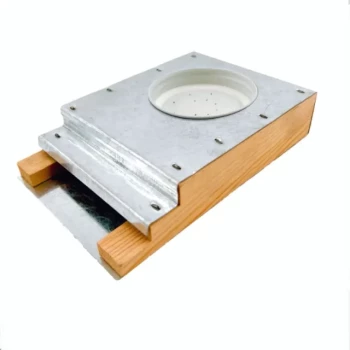
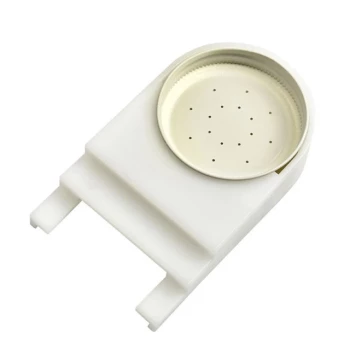
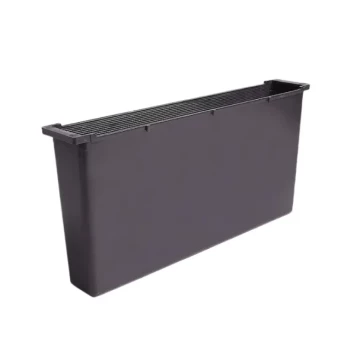
Artificial bee feeders are the critical infrastructure for hive survival and seasonal productivity. They provide essential sugar syrup and protein supplements during non-flowering periods or adverse weather when natural forage is unavailable. This intervention prevents colony starvation, maintains the queen’s egg-laying cycle, and ensures a robust worker population is ready for the peak honey flow.
Core Takeaway: Feeders are indispensable management tools that bridge the gap between natural nectar cycles, allowing beekeepers to sustain colony health and maximize commercial yields through precise nutritional control.
The Seasonal Necessity of Nutritional Supplementation
Maintaining Queen Productivity and Brood Rearing
During months with limited natural pollen and nectar—specifically January, April, and May—colonies face a high risk of population decline. Artificial feeders allow beekeepers to simulate a natural nectar flow, which stimulates the queen to accelerate egg-laying activity.
This ensures that the colony reaches a sufficient foraging size well before the major honey flow begins. Without this supplemental stimulus, the workforce may be too small to capitalize on the peak blooming season, leading to lost production.
Survival During Adverse Weather and Winter
In the winter months or during prolonged dry seasons, natural floral resources disappear, leaving the colony at risk of total absconding or starvation. Feeders provide the energy supply necessary to maintain the hive's core temperature and basic survival needs.
Consistent nutrition during these periods ensures that worker bee vitality remains high. This creates a resilient population that can immediately resume high-intensity foraging as soon as spring temperatures rise.
Strategic Growth for New and Existing Colonies
Accelerating Comb Building in New Hives
A newly established bee colony often starts without stored honey or drawn-out comb. Feeding a sugar-water mixture provides the high energy required for worker bees to draw out wax comb and produce royal jelly.
This initial boost is vital for the colony's foundation. It allows the hive to establish its structure and begin the first brood-rearing cycles even if the natural nectar flow hasn't yet started.
Scaling Populations for Peak Flow
The primary goal of seasonal management is to synchronize the largest possible bee population with the peak nectar flow. Specialized feeders provide the precise, quantitative nutrition needed to build this workforce in advance.
By using feeders to provide syrup and protein supplements, beekeepers ensure that their colonies are not just surviving, but actively expanding. This proactive approach is the difference between a subsistence hive and a high-yield commercial operation.
Understanding Technical Risks and Design Efficiency
Preventing Bee Drowning and Sugar Spillage
The design of a feeder is as important as the feed itself. High-quality feeders incorporate specific paths or floats to ensure bees do not drown while accessing the syrup.
Poorly designed equipment can lead to liquid spills, which are more than just a waste of resources. Spilled sugar liquid can attract pests and create hygiene issues within the hive environment.
Avoiding the Risks of Bee Robbing
One of the most significant pitfalls in supplemental feeding is bee robbing, where stronger colonies attack weaker ones to steal their syrup. This often occurs when sugar liquid is spilled or feeders are poorly placed.
Advanced automatic feeding systems mitigate this risk by delivering feed through controlled paths. For distributors, offering precision-engineered feeders that prevent robbing and drowning is essential for providing value to professional beekeeping clients.
Maximizing Business Value through Strategic Sourcing
To meet the demands of commercial apiaries and hobbyists alike, distributors must maintain a full-spectrum portfolio of feeding solutions. Success in this sector depends on technical expertise and a reliable supply chain.
- If your primary focus is Professional Apiary Management: Prioritize high-capacity automatic feeding systems that offer precision watering and quantitative nutrition to maximize spring brood rearing.
- If your primary focus is Retail or Hobbyist Supply: Stock a variety of easy-to-use internal and external feeders that focus on drowning prevention and ease of refilling.
- If your primary focus is Supply Chain Reliability: Partner with a one-stop source that offers rapid response times and ultra-fast delivery to ensure your inventory is ready before the critical spring and winter feeding windows.
Effective seasonal management through artificial feeding is the foundation of modern, high-yield beekeeping.
Summary Table:
| Season/Scenario | Purpose of Feeding | Key Management Benefit |
|---|---|---|
| Early Spring | Stimulate queen egg-laying | Rapid population growth for peak honey flow |
| Drought/Winter | Prevent starvation & absconding | Maintains core hive temperature and survival |
| New Colonies | Energy for wax comb building | Accelerated hive establishment and foundation |
| Commercial Ops | Precise quantitative nutrition | Synchronized high-yield production and scaling |
Scale Your Beekeeping Business with HONESTBEE
Partner with HONESTBEE, your one-stop source for premium beekeeping infrastructure. We provide distributors and commercial apiaries with a comprehensive full-spectrum product portfolio, ranging from precision-engineered feeders and hive-making machinery to honey-themed cultural merchandise.
Why choose HONESTBEE for your wholesale needs?
- Unmatched Sourcing: Access everything from specialized hardware to essential industry consumables.
- Reliable Supply Chain: Benefit from ultra-fast delivery and efficient order fulfillment to meet seasonal demands.
- Deep Industry Expertise: Our professional team provides the technical support needed to maximize commercial yields.
- Tailored for Resellers: Competitive wholesale offerings and rapid response times to support your growth.
Equip your clients with industry-leading tools and ensure year-round hive productivity. Contact HONESTBEE today to access our wholesale catalog!
References
- Luana Ferreira Silva, Geissy de Azevedo Mendes. Viabilidade econômica da apicultura como alternativa de renda para produtores rurais em Tombos/MG. DOI: 10.55905/revconv.18n.12-069
This article is also based on technical information from HonestBee Knowledge Base .
Related Products
- Rapid Bee Feeder White Plastic 2L Round Top Feeder for 8 or 10-Frame Bee Hives
- HONESTBEE Entrance Bee Feeder Professional Hive Nutrition Solution for Beekeeping
- White Plastic 0.5L Beekeeping Entrance Feeder for Bees
- HONESTBEE Entrance Bee Feeder Efficient Hive Front Liquid Feeding Solution for Beekeeping
- HONESTBEE Professional Entrance Bee Feeder Hive Nutrition Solution
People Also Ask
- What should be done with feeders and equipment after feeding bees? Essential Steps for Apiary Health
- What should be done if feed in a feeder is not consumed by the bees? Prevent Hive Mold with Prompt Feed Management
- What is the necessity of specialized internal or entrance feeders? Secure Your Hive with Professional Feeding Tools
- How do bee feeders work to preserve colony health during nectar shortages? Essential Guide for Beekeepers
- How quickly does a medium to strong colony usually empty a feeder? A Beekeeper's Guide to Hive Health