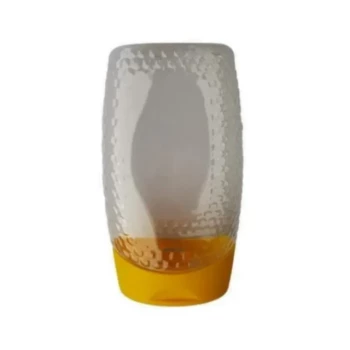
The emphasis on food-grade plastic containers stems primarily from honey's unique chemical sensitivity. Specifically, honey is hygroscopic, meaning it actively attracts and absorbs moisture from the surrounding air. Professional-grade containers provide the essential airtight seal required to halt this absorption, preventing the fermentation and spoilage that occur when honey's water content rises too high.
Core Takeaway Honey is a biologically active, acidic substance that requires a stable microenvironment to survive storage. Professional storage solutions are emphasized not just for convenience, but to prevent chemical reactions with the container itself and to stop atmospheric moisture from triggering irreversible fermentation.
Controlling the Moisture Environment
The Hygroscopic Nature of Honey
Honey is inherently hygroscopic. This means that if it is exposed to humid air, it will pull water molecules directly from the atmosphere into the honey.
The Risk of Fermentation
When honey absorbs enough moisture to dilute its natural sugar concentration, dormant wild yeasts can activate. Sealed food-grade containers are the first line of defense, blocking moisture entry to keep water content low and preventing the honey from fermenting or souring.
Stability of the Microenvironment
Unlike porous materials like pottery or standard unsealed bins, professional storage buckets create a sealed microenvironment. This stability ensures that the honey remains in good condition for long periods, often exceeding one year, without fluctuating in quality.
Preventing Chemical Interaction
Honey is Naturally Acidic
Beyond moisture control, the container material matters because honey is a weak acid. Standard metal containers, particularly those containing nickel, can react with honey over time.
Avoiding Corrosion and Contamination
Long-term contact with reactive metals can cause corrosion and rust, leading to metal ion migration into the food. Food-grade plastic is chemically inert, meaning it will not react with the honey, ensuring the product remains safe and free from metallic contaminants.
Preserving Sensory Quality
Blocking Environmental Odors
Honey acts like a sponge for distinct smells. If stored in a non-sealed or improper container, it will absorb odors from the surrounding room, garage, or warehouse.
Protecting Flavor and Color
Professional buckets act as a barrier against external pollutants and oxidation. By limiting exposure to oxygen and foreign scents, these containers preserve the natural flavor profile and original color of the harvest, preventing the darkening or aroma loss often seen in poor storage conditions.
Understanding the Trade-offs: Plastic vs. Glass
Permeability Considerations
While certified food-grade plastic is the standard for bulk storage and shipping due to safety, it is not completely impermeable over infinite timelines. Glass is technically non-permeable and offers superior transparency for visual inspection, though it lacks the durability required for bulk handling.
Physical Durability
Plastic buckets are lightweight and shatterproof, making them the logical choice for moving honey from the apiary to processing centers. Glass poses a significant safety hazard due to breakage, making it less suitable for large-volume post-harvest storage despite its chemical advantages.
Making the Right Choice for Your Storage Needs
Selecting the correct vessel depends on where the honey is in its lifecycle, from harvest to table.
- If your primary focus is bulk transport and safety: Use high-density food-grade plastic buckets to ensure durability and prevent metal contamination during handling.
- If your primary focus is long-term, static preservation: Ensure the seal is absolutely airtight to prevent fermentation, regardless of whether you choose high-quality plastic or glass.
- If your primary focus is retail presentation: Transition to glass only after the bulk storage phase to utilize its transparency while avoiding breakage risks during earlier processing.
Ultimately, the goal is to maintain the honey's original chemical composition by utilizing a container that is chemically inert and hermetically sealed.
Summary Table:
| Feature | Food-Grade Plastic Buckets | Standard Containers | Impact on Honey Quality |
|---|---|---|---|
| Airtight Seal | Excellent / Hermetic | Poor / Inconsistent | Prevents moisture absorption & fermentation |
| Chemical Reactivity | Inert / Non-reactive | Potential Metal Reaction | Prevents contamination & off-metallic tastes |
| Hygroscopic Protection | High | Low | Maintains low water content for long shelf life |
| Durability | Shatterproof & Lightweight | Variable | Ideal for bulk transport and apiary safety |
| Odor Barrier | Strong | Weak | Preserves the honey's natural floral aroma |
Secure Your Harvest with HONESTBEE Professional Storage Solutions
Preserving the integrity of your honey requires more than just a simple bucket; it demands a stable microenvironment. HONESTBEE provides commercial apiaries and distributors with premium, food-grade storage equipment and industrial machinery designed to maintain your product's purity from hive to bottle.
From high-density storage buckets to advanced honey-filling machines, our comprehensive wholesale portfolio is built to scale your beekeeping business. Contact HONESTBEE today to discover how our specialized hardware and industry consumables can protect your sensory quality and streamline your post-harvest operations.
References
- Alemayehu Abebe, Alebachew Habtamu. Analysis of honey production systems in three agro-ecologies of Benishangul-Gumuz, Western Ethiopia. DOI: 10.5897/jaerd2015.0705
This article is also based on technical information from HonestBee Knowledge Base .
Related Products
- Food Grade Plastic Honey Bucket Pail for Beekeeping
- Plastic Honey Gate Spout with Wing Nut for Beekeeping Honey Bucket
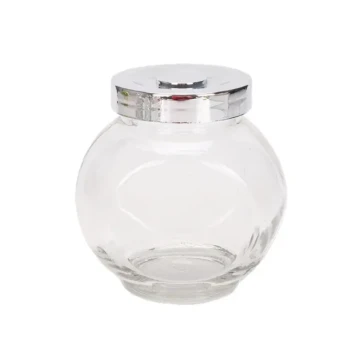
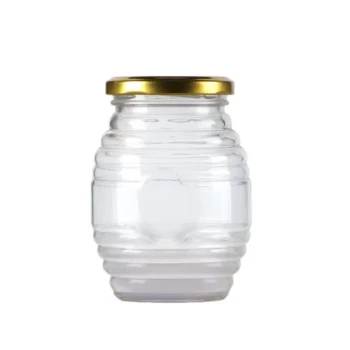
- Classic Drum Shaped Glass Honey Jar with Airtight Lid
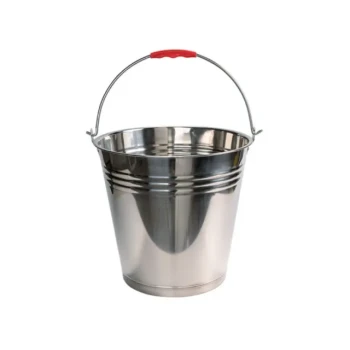
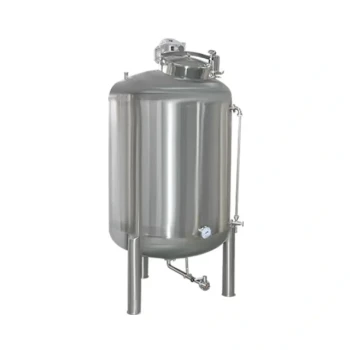
- Premium Stainless Steel Honey Tank Bucket Pail with Reinforced Handle and Polished Finish
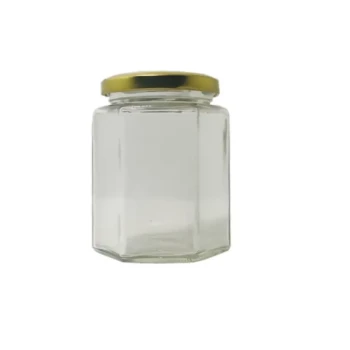
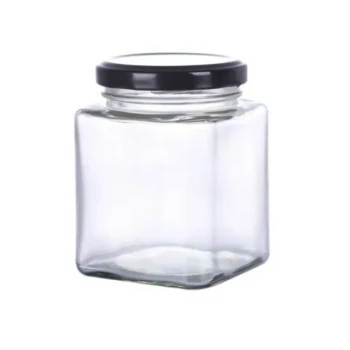
- Hexagonal Glass Honey Jars with Metal Lug Caps Elegant Versatile Packaging
People Also Ask
- What key operational precautions should be taken when using honey buckets and extractors fitted with bottom drain taps?
- What functions do food-grade honey buckets perform? Safeguard Your Harvest and Optimize Apiary Logistics
- Why are food-grade plastic buckets preferred for honey? Protect Quality with Modern Honey Collection Tools
- What is the significance of food-grade plastic honey collection buckets? Boost Quality in Forest Honey Logistics
- What is a honey pail? The Essential Container for Protecting Your Honey's Value