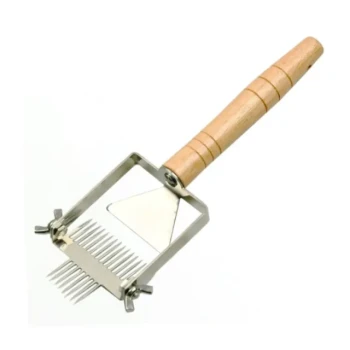
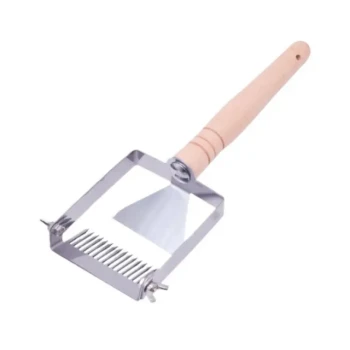
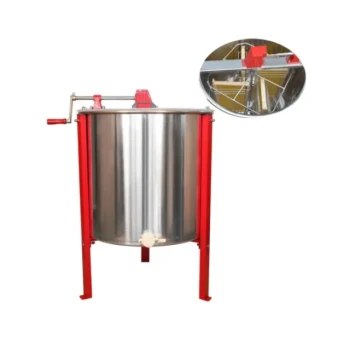
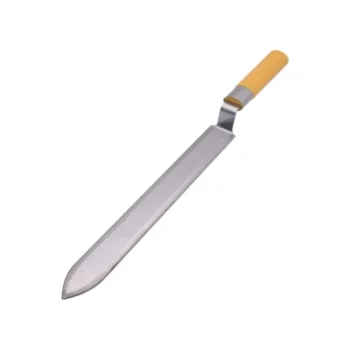
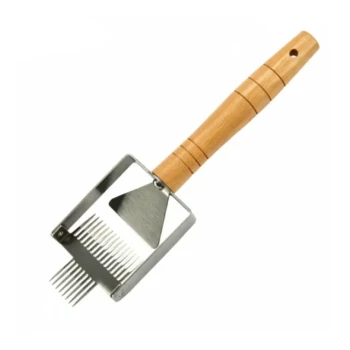
Food-grade stainless steel is the non-negotiable standard for honey harvesting because it prevents chemical leaching and ensures long-term product stability. Honey is naturally acidic, with a low pH that causes inferior metals like aluminum or galvanized steel to corrode and release toxic heavy metals. Using high-specification stainless steel ensures that your inventory meets international food safety standards while maintaining the honey’s sensory quality and market value.
For distributors and wholesalers, food-grade stainless steel isn't just a safety choice; it’s a strategic investment in product integrity. By preventing metallic contamination and microbial spoilage, these tools ensure that honey remains a premium, export-ready commodity that complies with global regulatory frameworks.
The Chemistry of Honey and Metal Interaction
Neutralizing the Impact of Natural Acidity
Honey possesses a naturally low pH, making it a weakly acidic substance that is highly reactive with certain materials. Traditional metals like aluminum, galvanized steel, or low-quality alloys undergo chemical reactions when they come into contact with this acidity.
Food-grade stainless steel is engineered with superior corrosion resistance, acting as an inert barrier. This ensures that the material does not degrade over time, even under frequent use in high-volume processing environments.
Eliminating Heavy Metal Contamination Risks
Inferior harvesting tools can leach dangerous residues—including lead, zinc, aluminum, and cadmium—directly into the honey. This contamination is often irreversible and can lead to the total loss of a product batch during safety testing.
By utilizing high-specification stainless steel, processors eliminate the risk of metal ion migration. This preserves the honey's physicochemical properties and ensures the final product remains within international food safety limits.
Operational Advantages for Large-Scale Distribution
Enhancing Hygiene and Disinfection Efficiency
Stainless steel features a non-porous, smooth surface that is significantly easier to clean and sterilize than wood or plastic. This is critical for meeting HACCP (Hazard Analysis and Critical Control Points) and other international hygiene protocols.
The ability to withstand frequent, rigorous disinfection without surface degradation prevents the buildup of bacteria. For wholesalers, this translates to lower risk of cross-contamination across different product batches.
Preventing Sensory Degradation and Moisture Absorption
Exposure to rusted iron or corroded containers can introduce off-odors and discoloration, destroying the honey's sensory profile. Stainless steel tools and settling tanks maintain the honey's natural clarity and flavor.
Furthermore, high-quality stainless steel provides superior sealing capabilities. This blocks the absorption of environmental moisture (hygroscopicity), preventing the fermentation and spoilage that occurs when moisture levels exceed 21%.
Understanding the Trade-offs and Procurement Challenges
Initial Investment vs. Long-Term Reliability
The primary trade-off with food-grade stainless steel is the higher initial capital expenditure compared to plastic or galvanized alternatives. However, for B2B operations, this cost is offset by the equipment's extreme durability and lower replacement frequency.
Choosing cheaper materials often results in secondary costs, such as product recalls or rejected export shipments. Investing in premium materials is a safeguard for your brand’s reputation in the global marketplace.
Identifying Technical Specification Risks
Not all "stainless" materials are created equal; some may not meet the strict "food-grade" requirements for acidity resistance. It is essential to source from partners who provide deep professional expertise and verifiable material certifications.
Failure to verify the specific grade of steel can lead to premature pitting and rust, particularly in high-humidity harvesting environments. Partnering with a distributor that offers rapid response and transparent sourcing is the only way to mitigate this risk.
Maximizing Supply Chain Value through Material Excellence
As a professional distributor or reseller, your success depends on providing tools that guarantee safety and efficiency for the end-user. Selecting the right material grade is the foundation of a high-value product portfolio.
- If your primary focus is regulatory compliance: Prioritize food-grade stainless steel to ensure all equipment meets HACCP and export-level health permits.
- If your primary focus is product longevity: Invest in high-specification alloys that offer maximum corrosion resistance against honey’s natural acidity.
- If your primary focus is market reputation: Use only certified stainless steel tools to prevent heavy metal contamination and maintain the sensory purity of the honey.
By prioritizing these high-standard materials, you empower your clients to produce world-class honey while securing your position as a trusted leader in the professional beekeeping supply chain.
Summary Table:
| Feature | Benefit for Honey Quality | Impact on Business/Operations |
|---|---|---|
| Corrosion Resistance | Prevents reactions with honey's low pH (acidity). | Reduces equipment replacement costs and prevents rust. |
| Non-Leaching | Zero migration of heavy metals (Lead, Zinc, Cadmium). | Ensures compliance with international export safety standards. |
| Non-Porous Surface | Inhibits bacterial growth and simplifies disinfection. | Meets HACCP protocols; reduces risk of product recalls. |
| Hermetic Sealing | Prevents moisture absorption and fermentation. | Maintains honey flavor, clarity, and premium market value. |
Elevate Your Beekeeping Supply Chain with HONESTBEE
At HONESTBEE, we specialize in empowering commercial apiaries and B2B distributors with a comprehensive, one-stop sourcing experience. Our food-grade stainless steel harvesting tools are engineered to meet the highest international standards, ensuring your clients receive premium, export-ready equipment.
Why Partner with HONESTBEE?
- Full-Spectrum Portfolio: From hive-making and honey-filling machinery to essential industry consumables.
- Built for Distributors: Benefit from competitive profit margins, OEM/ODM support, and verifiable material certifications.
- Operational Excellence: Experience ultra-fast delivery, efficient order fulfillment, and dedicated professional expertise.
Protect your brand reputation and optimize your inventory with a partner that understands the chemistry of quality.
Contact HONESTBEE Today for a Wholesale Quote
References
- Frisca Dewi Yunadi, Gadizza Muslimah. Pemberdayaan Masyarakat melalui Pengembangan Kelompok Ternak Lebah Madu untuk Penguatan Ekonomi Lokal Berbasis Produk Alam : Madu. DOI: 10.36312/tc54q653
This article is also based on technical information from HonestBee Knowledge Base .
Related Products
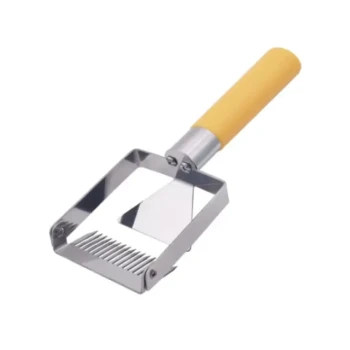
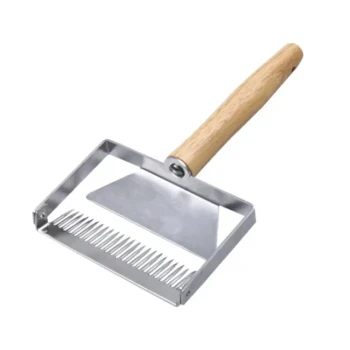
- All-Stainless Steel Pivoting Honey Uncapping Fork for Beekeeping
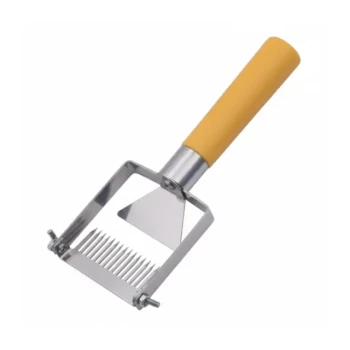
- Stainless Steel Pivoting Honey Uncapping Fork with Plastic Handle
- Adjustable Stainless Steel Honey Uncapping Fork with Plastic Handle for Beekeeping
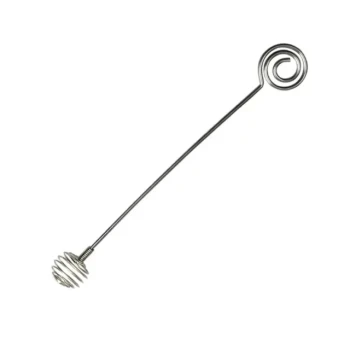
- Modern Stainless Steel Honey Dipper Stirrer
- Heavy Duty 304 Stainless Steel Honey Dipper
People Also Ask
- How does a honey uncapping fork supplement the use of an uncapping knife? Boost Your Honey Yield and Extraction Efficiency
- What is the design purpose of honey uncapping forks and honey uncapping tanks? Maximize Your Harvest Efficiency
- What are the essential tools for uncapping honey frames? Choose the Right Tool for Your Apiary
- What tools are used for honey uncapping? Choose the Right Knife for Your Harvest
- What are the tools used for uncapping honeycombs? Expert Guide to Tools & Functions for Maximum Yield