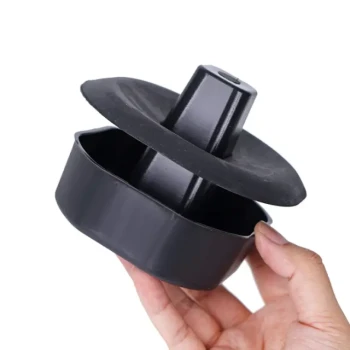
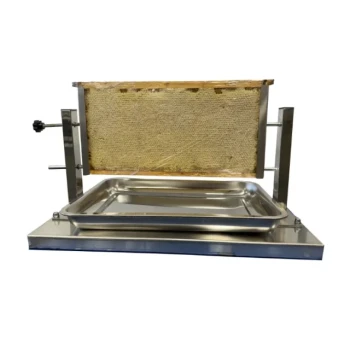
Iron stands are the definitive solution for isolating wooden beehives from the destructive forces of tropical soil. They provide a rigid barrier that prevents ground moisture from rotting the hive and disrupts the travel paths of termites and ants. Additionally, they offer the structural integrity required to support the immense weight of a full hive without the warping risks associated with wooden supports.
In high-humidity environments, the primary threat to a hive comes from below. An iron stand serves as a permanent quarantine zone, separating vulnerable wood from damp soil and pests while ensuring the structural stability needed for heavy honey production.
Combatting Environmental Decay
In tropical climates, the ground acts as a reservoir for moisture and biological threats. Placing a hive directly on the soil, or using untreated wooden stands, creates a direct conduit for these elements to attack the hive.
Eliminating Capillary Action
Wood is porous and naturally wicks moisture from damp earth. By using iron stands, you create an impermeable material break between the ground and the hive.
Preventing Wood Rot
Constant exposure to ground moisture accelerates fungal decay in wooden bottom boards. Elevating the hive on iron significantly extends the lifespan of the equipment by keeping the timber dry.
Pest Management and Defense
Insects such as termites and ants thrive in tropical soils and pose a catastrophic risk to bee colonies and wooden equipment.
Disruption of Termite Paths
Termites require a continuous path from the soil to the wood to feed. An iron stand effectively severs this connection, forcing termites to build visible mud tubes up the metal legs, which are easily detected and destroyed by the beekeeper.
Reducing Ant Invasions
Ants frequently invade hives to steal honey or brood. While not a perfect barrier, smooth metal legs are more difficult for ants to scale and bridge compared to wooden blocks or direct ground contact.
Structural Integrity Under Load
A productive hive in a tropical flow can become incredibly heavy. The foundation must support this weight without faltering.
Supporting Peak Production
During high honey-production periods, the weight of the hive increases dramatically. Iron stands possess the load-bearing capacity to support this mass safely, whereas wooden stands might rot and collapse under the strain.
Preventing Deformation
Unlike wood, which swells and warps in high humidity, iron maintains its shape. This rigidity ensures the hive remains level, which is critical for the bees to build straight comb.
Critical Considerations and Trade-offs
While iron stands offer superior protection, they are not without their own maintenance requirements in humid environments.
The Requirement for Corrosion Resistance
Iron is susceptible to rust, particularly in humid or tropical air. To maintain structural integrity, the stands must have corrosion-resistant properties, such as galvanization or specialized protective coatings.
Stability for Precision Monitoring
If you are using electronic weight sensors to monitor hive health, iron is superior to wood. Wooden stands deform over time, introducing errors into data; metal provides the stable, non-deforming plane required for accurate, long-term scientific monitoring.
Making the Right Choice for Your Goal
- If your primary focus is Equipment Longevity: Prioritize iron stands to prevent the rapid wood rot and termite damage that destroys bottom boards in tropical climates.
- If your primary focus is Honey Production: Use iron to ensure the base can physically support the maximum weight of the hive during peak flows without collapsing.
- If your primary focus is Data Accuracy: Choose metal stands to provide a rigid, non-warping platform that ensures consistent readings for electronic weight scales.
Iron stands convert the hive foundation from a weak point into a defensive asset.
Summary Table:
| Feature | Iron Stands | Wooden Stands |
|---|---|---|
| Moisture Resistance | Impermeable; prevents capillary action | Porous; wicks ground moisture |
| Pest Defense | Disrupts termite paths; hard to scale | Vulnerable to termite infestation |
| Structural Capacity | High load-bearing; no warping | Risks rot and collapse under weight |
| Durability | Long-lasting with anti-rust coating | Rapid decay in high humidity |
| Data Precision | Stable plane for weight sensors | Deforms, causing sensor errors |
Secure Your Apiary’s Future with HONESTBEE
Protect your investment from the harsh realities of tropical environments. HONESTBEE specializes in providing commercial apiaries and distributors with high-performance beekeeping infrastructure. From corrosion-resistant iron stands and specialized hive-making machinery to honey-filling equipment and essential consumables, we offer a comprehensive wholesale portfolio designed for durability.
Ready to scale your production? Contact us today to discover how our professional-grade tools and hardware can enhance your operational efficiency and protect your colonies.
References
- Joaquin Florez Reuto, Ciro Vera Mantilla. Impacto generado por infestación y colonización de plagas en colmenas de Apis mellifera en el municipio de Puerto Carreño (Vichada). DOI: 10.23850/25004468.5249
This article is also based on technical information from HonestBee Knowledge Base .
Related Products
- Metal Bee Hive Stand Bee Box Stand for Beekeeping
- Metal Hive Feet Bee Hive Stand for Ant Protection
- Professional Ant-Proof Beehive Stand with Integrated Moat for Beekeeping
- Plastic Bee Hive Stand for Beekeeping
- Professional Galvanized Steel Frame Rest for Beehives
People Also Ask
- What height should a bee hive stand be? Optimize for Your Back and Hive Health
- What are the potential risks of plastic bee hive stands? Avoid Structural Failure in Your Apiary
- What are the essential technical specifications for a high-quality bee hive stand? Maximize Stability and Hive Safety
- What are the benefits of elevating a bee hive with a stand or base? Protect Your Colony and Your Back
- Why are specialized beehive stands or protective barriers necessary for pest management in apiaries? Secure Your Colony