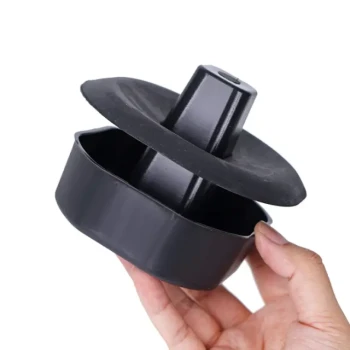
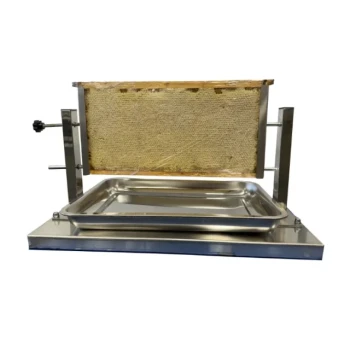
Specialized beehive stands and bases serve as the primary defense against operational volatility in modern beekeeping. They prevent economic losses by shifting colonies from unpredictable forest settings to stable, managed environments where risks like colony absconding and honey robbing are significantly reduced. This hardware provides the physical foundation required for effective pest control and higher colony survival rates.
By stabilizing the physical environment, specialized stands enable a transition from opportunistic gathering to managed agriculture. They create a controlled perimeter that protects the hive’s resources, ensuring the consistent production levels required for a profitable operation.
Securing the Physical Environment
The primary economic driver for using specialized stands is the shift away from traditional forest-based beekeeping. Placing hives in unmanaged environments subjects them to variables that often lead to total colony loss.
Preventing Colony Absconding
One of the largest sources of economic loss is "absconding," where an entire colony deserts the hive due to stress or instability.
Specialized stands allow hives to be placed in managed apiaries or indoor facilities. This controlled placement reduces environmental stress factors, significantly lowering the rate at which bees abandon their hives compared to unmanaged forest placements.
Eliminating Honey Robbing
"Robbing" occurs when insects or other bees steal honey reserves from a weaker colony.
Bases designed for managed apiaries provide a defensible position. By elevating the hive and regulating the entrance, beekeepers can minimize the intrusion of robber bees, preserving the harvestable yield.
Mastering Pest and Insect Control
In traditional tree-hanging or ground-based methods without specialized hardware, pests have easy access to the colony.
Creating a Defensive Barrier
Specialized bases facilitate effective pest control, a task that is notoriously difficult in forest environments.
By physically separating the hive from the ground and utilizing specific base designs, beekeepers can block access to ants, beetles, and other parasites. This direct intervention protects the colony's population density and health.
Improving Colony Survival Rates
The combination of stability and pest exclusion leads to higher overall survival rates.
Reducing mortality means the beekeeper spends less capital replacing lost colonies and more time focusing on production. This stability of operation is critical for maintaining a consistent revenue stream.
Operational Efficiency and Accessibility
While the primary economic benefit is loss prevention, specialized stands also act as a force multiplier for labor efficiency.
Facilitating Routine Inspections
Unlike tree-hanging methods, industrial stands in ground-based apiaries make hives easily accessible.
This layout allows for precise, routine inspections and manual feeding. Early detection of issues—made possible by this accessibility—allows beekeepers to respond rapidly to colony needs before they become expensive problems.
Enabling Scalability
Standardized stands serve as the foundation for large-scale management.
They allow for an organized apiary layout, which streamlines the workflow for beekeepers managing hundreds of hives. This labor efficiency is essential for achieving economies of scale.
Understanding the Trade-offs
Adopting specialized hardware requires a shift in business strategy that comes with its own challenges.
Higher Initial Capital Investment
Unlike traditional methods that may use found materials or natural placement, specialized stands represent a significant upfront cost. The hardware must be purchased, transported, and maintained, which increases the barrier to entry.
Dependence on Land Management
Moving hives from forests to stands requires dedicated land or indoor facilities. This necessitates a move toward land ownership or rental, adding a fixed cost to the operation that does not exist in nomadic or wild forestry beekeeping.
Making the Right Choice for Your Goal
To maximize the economic benefits of this hardware, align your selection with your specific operational focus.
- If your primary focus is Colony Survival: Prioritize stands and bases with integrated pest exclusion features to minimize stock loss from environmental threats.
- If your primary focus is Labor Efficiency: Select standardized stands that allow for uniform apiary layouts, reducing the time required for feeding and inspections.
Ultimately, specialized stands are not just furniture for bees; they are the critical infrastructure that turns a volatile hobby into a stable, scalable business.
Summary Table:
| Feature | Traditional Forest Placement | Specialized Stands & Bases | Economic Impact |
|---|---|---|---|
| Pest Control | Vulnerable to ants/beetles | Integrated defensive barriers | Lower colony mortality rates |
| Colony Stability | High risk of absconding | Controlled, managed environment | Consistent honey production |
| Labor Access | Difficult/Tree-hanging | Ergonomic ground-level access | Reduced man-hours per hive |
| Scalability | Random/Limited | Standardized apiary layout | Enables industrial-scale growth |
Secure Your Apiary’s Future with HONESTBEE Hardware
Don't let unpredictable environments and pest pressures erode your bottom line. HONESTBEE specializes in empowering commercial apiaries and distributors with the robust infrastructure needed for modern, profitable beekeeping.
Our comprehensive wholesale portfolio includes high-durability beehive stands, bases, and specialized honey-filling machinery designed to transition your operation from opportunistic gathering to a stable, managed business. Whether you are scaling a commercial apiary or supplying the next generation of beekeepers, we provide the tools, consumables, and hardware to ensure success.
Ready to minimize losses and maximize yield? Contact HONESTBEE today to discuss our wholesale solutions and bulk equipment offerings.
References
- Dirriba Mengistu. Economic Losses in the Traditional Honey Production System in Oromia Region, Ethiopia. DOI: 10.3329/ralf.v10i3.70998
This article is also based on technical information from HonestBee Knowledge Base .
Related Products
- Metal Bee Hive Stand Bee Box Stand for Beekeeping
- Plastic Bee Hive Stand for Beekeeping
- Metal Hive Feet Bee Hive Stand for Ant Protection
- Professional Ant-Proof Beehive Stand with Integrated Moat for Beekeeping
- Solid Bottom Board Australian Pine Wood Langstroth Bottom Board for Wholesale
People Also Ask
- What are the essential technical specifications for a high-quality bee hive stand? Maximize Stability and Hive Safety
- What height should a bee hive stand be? Optimize for Your Back and Hive Health
- What are the potential risks of plastic bee hive stands? Avoid Structural Failure in Your Apiary
- What are the benefits of elevating a bee hive with a stand or base? Protect Your Colony and Your Back
- Why are specialized beehive stands or protective barriers necessary for pest management in apiaries? Secure Your Colony