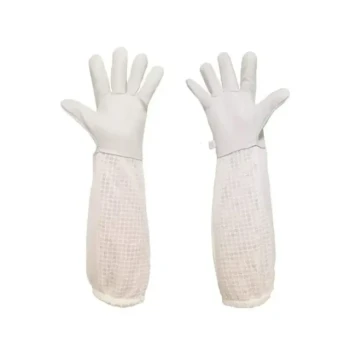
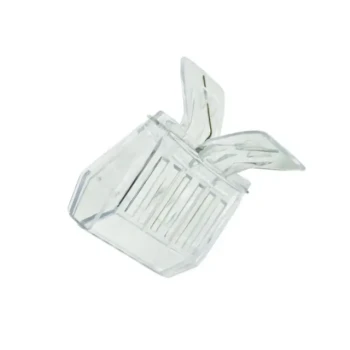
The clear preference for latex or nitrile gloves over leather when marking queen bees is driven by the absolute necessity for dexterity and tactile sensitivity. While leather gloves provide robust protection against stings, their inherent bulk acts as a sensory barrier, making it nearly impossible to gauge the pressure applied to a delicate insect. Latex or nitrile options offer a "second skin" fit, allowing the beekeeper to handle the queen with the precision required to avoid crushing or injuring her.
The primary goal when handling a queen is minimizing the risk of fatal injury to the bee, rather than preventing a sting to the beekeeper. Latex or nitrile gloves provide the necessary tactile feedback to gauge pressure, preventing the accidental crushing that frequently occurs with bulky leather gear.
The Critical Role of Tactile Sensitivity
Why "Feel" is Non-Negotiable
When marking a queen, you are interacting with a living creature that is crucial to the colony's survival. Her abdomen contains delicate reproductive organs that are easily damaged by excessive force.
The Barrier Created by Leather
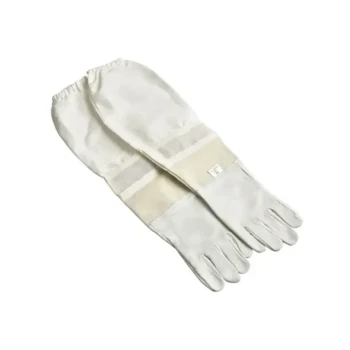
Leather gloves are designed to be impenetrable to stingers, which requires thickness. This thickness disconnects your nerve endings from the object you are holding. If you cannot feel the resistance of the queen’s exoskeleton, you cannot accurately moderate your grip strength.
The Advantage of Thin Materials
Latex and nitrile materials are thin enough to transmit sensory data. This allows you to immediately detect if the queen is wiggling free or if you are squeezing too hard, enabling instant micro-adjustments that keep her safe.
Precision and Motor Control
The Mechanics of Marking
Marking a queen involves isolating her, usually by picking her up by the wings or the thorax. This requires fine motor skills similar to using tweezers.
Bulkiness Leads to Clumsiness
Thick leather restricts the movement of finger joints. This limited range of motion turns precise pinches into clumsy grabs.
Avoiding Accidental "Rolling"
When wearing bulky gloves, there is a high risk of "rolling" the queen across the comb rather than picking her up cleanly. This rolling action can damage her legs or wings, potentially causing the hive to supersede (kill and replace) her.
Understanding the Trade-offs: Protection vs. Precision
The Vulnerability Factor
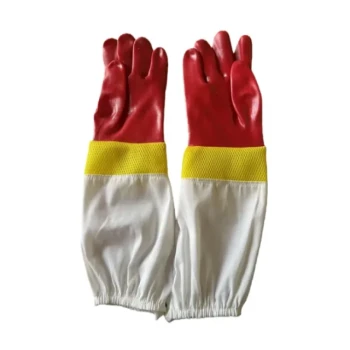
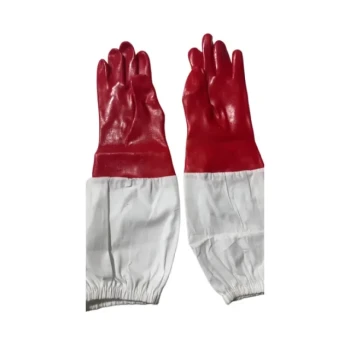
It is important to acknowledge that switching to latex or nitrile involves a trade-off. You are sacrificing personal protection for the safety of the queen. These materials offer minimal defense against stings compared to leather.
Material Durability
While leather gloves can last for years, latex and nitrile are disposable or semi-disposable. They can tear easily on hive tools or sharp frames, requiring you to carry spares during inspections.
The Scope of Use
This preference applies specifically to fine manipulation tasks. While leather is unsuitable for queen marking, it remains a valid tool for heavy lifting or dealing with particularly aggressive hives where dexterity is secondary to safety.
Making the Right Choice for Your Goal
To ensure the safety of your colony's most valuable asset, choose your protective gear based on the specific task.
- If your primary focus is marking or caging a queen: Prioritize latex or nitrile gloves to maximize tactile feedback and minimize the risk of crushing the queen.
- If your primary focus is heavy hive manipulation or sting prevention: Utilize leather gloves for general inspections where fine motor control is not required.
Mastering queen handling requires prioritizing her physical integrity over your own comfort.
Summary Table:
| Feature | Latex/Nitrile Gloves | Leather Gloves |
|---|---|---|
| Primary Purpose | High Precision & Tactile Sensitivity | Robust Protection & Heavy Lifting |
| Tactile Feedback | Excellent (Second-skin fit) | Low (Thick material barrier) |
| Dexterity | High (Fine motor control) | Low (Bulky and restrictive) |
| Queen Safety | Maximum (Prevents crushing) | Low (Risk of accidental injury) |
| Sting Protection | Minimal | Maximum |
| Best Use Case | Queen marking, caging, and grafting | Hive transport, aggressive colonies |
Secure Your Apiary’s Success with Professional-Grade Gear
Protecting your queen is the first step toward a thriving hive. At HONESTBEE, we specialize in providing commercial apiaries and distributors with the high-precision tools necessary for expert bee management. From ultra-sensitive nitrile gloves for delicate queen marking to industrial-scale honey-filling machines and hive-making hardware, we offer a comprehensive wholesale portfolio designed for industry leaders.
Ready to elevate your beekeeping operations? Contact us today to discover how our premium equipment and consumables can enhance your efficiency and colony safety.
Related Products
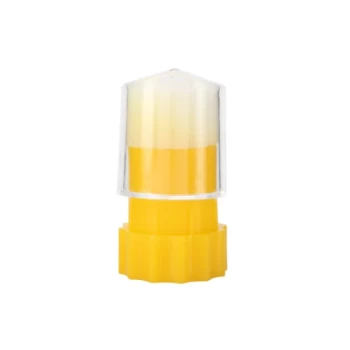
- One Hand Yellow Queen Marking Catcher Tube Cage Beekeeper Tool Accessory for Queen Bee
- Beekeeping Gloves Goatskin Leather with Long Cotton Sleeve for Beekeepers
- Goatskin Leather Beekeeper Gloves with Vent Long Sleeve for Beekeeping Honey Bee Sting Proof Protection
- Queen Bee Marking Pen POSCA Queen Marking Pens for Beekeeping Bee Markers
- Heavy Duty Red Rubber Beekeeping Gloves with Vented Mesh Cotton Sleeves
People Also Ask
- What tools are available to assist in safely marking a queen bee? Essential Gear for Professional Beekeepers
- What equipment is needed to mark a queen bee? A Simple 3-Tool Guide for Every Beekeeper
- Why are high-quality queen bee marking tools essential for pedigree tracking? Master Honey Bee Genetic Integrity
- What are the specific advantages of using international standard marking tools in queen bee production and management?
- What tools are recommended for marking a Queen bee? Ensure a Safe and Successful Mark