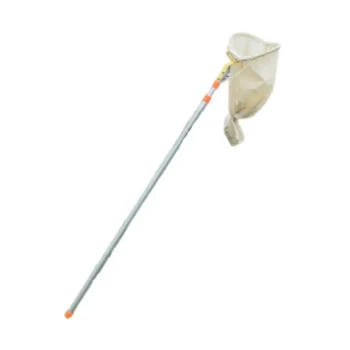
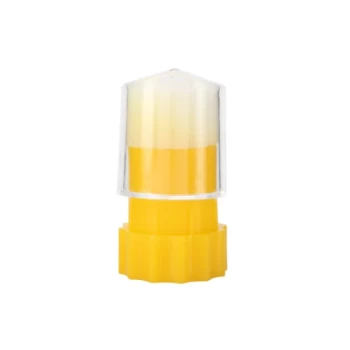
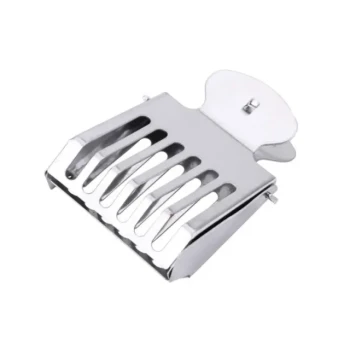
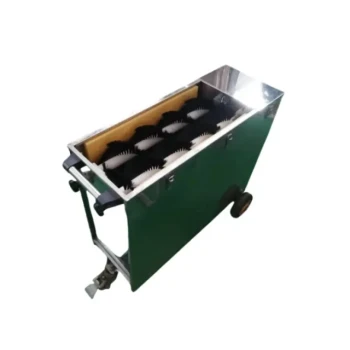
Professional bee colony monitoring and protection tools provide the critical data required for precision agriculture. In the context of Integrated Crop Pollination (ICP), these tools allow technicians to accurately assess pollinator density and health within legume forage plots. This data enables producers to scientifically adjust hive placement and actively prevent pesticide injury, ensuring the continuity and efficiency of the pollination services.
Integrated Crop Pollination relies on consistent, high-quality pollinator performance. Professional monitoring tools transform pollination from a passive assumption into an actively managed variable, securing forage system performance by optimizing bee distribution and protecting colony health.
The Mechanics of Precision Pollination
Assessing Pollinator Distribution
You cannot manage what you cannot measure. Professional tools calculate the specific distribution density of pollinators across your legume forage plots. This data reveals whether your current setup provides uniform coverage or leaves specific areas under-serviced.
Scientific Hive Placement
Random placement often leads to uneven crop yields. By utilizing density data, producers can adjust beehive locations based on scientific evidence rather than intuition or convenience. This ensures that the forage system receives the coverage necessary for optimal performance.
Ensuring Service Continuity
Pollination is a time-sensitive service. These tools ensure the continuity of this service by validating that bees are active and present throughout the bloom cycle. This prevents gaps in pollination that could detrimental to the harvest.
Protecting the Pollinator Asset
Monitoring Health Status
A weak colony cannot perform the heavy lifting required for effective ICP. Professional tools track the health status of the pollinators in real-time. Early detection of health issues prevents a sudden collapse in pollination capacity during critical windows.
Preventing Pesticide Injury
Modern agriculture requires balancing crop protection with pollinator safety. Precision hardware aids in preventing pollinator injury from pesticides. By understanding colony status and activity, producers can better coordinate chemical applications to minimize risk to the insects.
Operational Considerations and Trade-offs
The Shift to Active Management
Implementing these tools changes the operational workflow. Pollination management shifts from a "set it and forget it" logistics task to an active data analysis process. Success requires technicians capable of interpreting density and health metrics.
Investment vs. Assurance
Using professional precision hardware involves higher upfront complexity than traditional methods. However, relying on unmonitored hives introduces the risk of "silent failures" where hives are present but ineffective. The investment is a trade-off for assured continuity and optimized forage performance.
Strategies for Implementing ICP Tools
To maximize the benefit of professional monitoring tools, align their application with your specific production targets.
- If your primary focus is maximizing forage yield: Prioritize tools that map distribution density to scientifically adjust hive placement and eliminate coverage gaps.
- If your primary focus is sustainability and risk reduction: Focus on health tracking features to prevent pesticide injury and ensure long-term colony viability.
By treating pollination as a measurable, manageable input, you secure the efficiency necessary for a high-performing forage system.
Summary Table:
| Key Feature | Benefit for ICP | Value to Producers |
|---|---|---|
| Density Monitoring | Accurately calculates pollinator distribution | Ensures uniform coverage across forage plots |
| Scientific Placement | Evidence-based hive location adjustments | Eliminates coverage gaps and maximizes yield |
| Health Tracking | Real-time monitoring of colony status | Prevents sudden collapses during bloom cycles |
| Safety Coordination | Minimizes pesticide injury risks | Protects the pollinator asset for long-term use |
| Continuity Validation | Confirms active pollination activity | Guarantees reliable service throughout the season |
Maximize Your Pollination Yield with HONESTBEE Precision Solutions
Transition from passive logistics to active management. At HONESTBEE, we specialize in supporting commercial apiaries and distributors with high-performance tools and machinery designed for the rigors of modern agriculture. Whether you need specialized hive-making equipment, honey-filling machines, or essential consumables, our comprehensive wholesale portfolio is built to secure your colony health and operational efficiency.
Ready to elevate your forage system? Partner with a supplier that understands the science of pollination. Contact us today to discuss your wholesale needs and see how our industrial-grade solutions can optimize your business.
References
- Manuel Ernesto Narjes Sanchez, Stefan Burkart. Promoting Forage Legume–Pollinator Interactions: Integrating Crop Pollination Management, Native Beekeeping and Silvopastoral Systems in Tropical Latin America. DOI: 10.3389/fsufs.2021.725981
This article is also based on technical information from HonestBee Knowledge Base .
Related Products
- HONESTBEE 15-in-1 Beekeeper Multi-Tool with Hammer and Pliers for Beekeeping
- Plastic Beetle Blaster Trap Beekeeping Tools and Supplies
- Professional Stainless Steel Pry-Bar Hive Tool
- Metal Hive Feet Bee Hive Stand for Ant Protection
- Professional Queen Catcher and Introduction Queen Cage
People Also Ask
- What is the recommended method for storing beekeeping tools? Expert Vertical Storage Solutions for Your Apiary
- How does a favorable microclimate interact with beekeeping tools? Boost Overwintering Success and Equipment Longevity
- Why is the treatment of beekeeping tools with high-concentration chemical disinfectants necessary for preventing AFB?
- Why are specialized beekeeping tools and consumables essential? Enhance Colony Management and Honey Yield Today
- How do specialized beekeeping tools and high-specification protective equipment assist in colony health management?