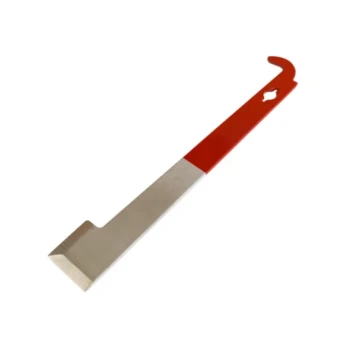
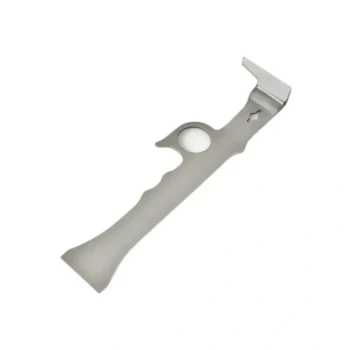
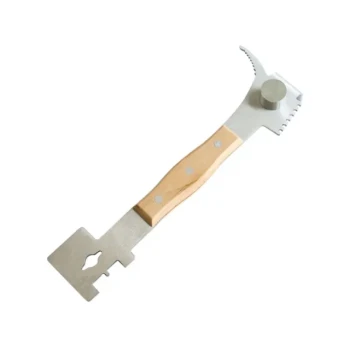
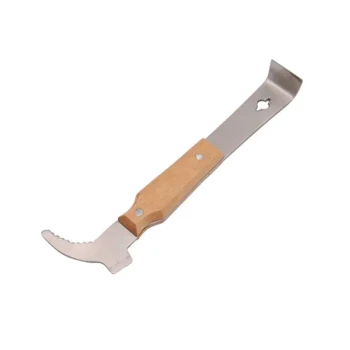
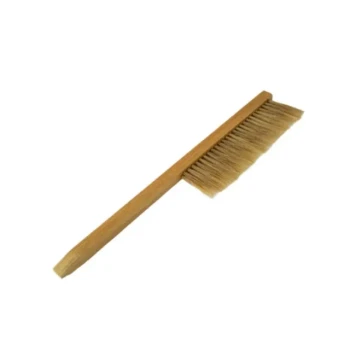
The use of professional beekeeping tools is strictly required to extract honey samples directly from sealed hives, ensuring the absolute purity and representativeness of the material being analyzed. By using these specialized tools, researchers can bypass the contamination risks associated with bulk processing and external exposure, guaranteeing that the sample contains only the pollen collected by the bees within a specific area.
Core Insight The validity of palynological analysis rests entirely on the isolation of the sample at the point of collection. Extracting directly from sealed hives prevents the intrusion of "stray" environmental pollen, ensuring the resulting data reflects the true botanical sources utilized by the colony rather than ambient atmospheric noise.
Preserving Sample Authenticity
Preventing Environmental Contamination
The primary function of using professional tools for in-hive extraction is to maintain a barrier against the external environment.
Honey situated within a sealed hive is naturally protected. However, once exposed to open air or non-sterile equipment, it becomes vulnerable to stray pollen and dust carried by the wind.
Professional tools allow for rapid, precise extraction that minimizes the duration and surface area of exposure. This ensures the pollen spectrum found in the sample is exclusively what the bees brought into the hive, not what accidentally drifted in during collection.
Avoiding Cross-Contamination
Standard mechanical extraction methods, often used in commercial honey processing, introduce significant variables to the sample.
Bulk processing typically involves mixing honey from various frames or even different hives. This creates a composite product that blurs the specific data points required for accurate analysis.
By using professional tools to sample directly from specific sealed frames, you eliminate the cross-contamination inherent in bulk extraction. This isolation is critical for establishing a clear link between the sample and the specific agricultural practices or botanical environment of that hive.
Ensuring Data Accuracy
Reflecting True Botanical Sources
The goal of palynological analysis is to determine the geographic and botanical origin of the honey.
When samples are taken properly from sealed hives, the resulting pollen spectrum serves as a reliable biological record. It accurately reflects the actual botanical sources visited by the honeybees.
This precision is necessary for verifying honey purity and identifying dominant pollen species without the interference of background nutritional variations.
Capturing Specific Forage Periods
Honey stored in sealed frames represents a timeline of the bees' activity.
Professional extraction allows researchers to target specific frames that correspond to distinct forage periods.
This granularity provides reliable data for assessing how specific agricultural events or blooming seasons impact the colony, a level of detail that is lost in aggregated samples.
Understanding the Trade-offs
Manual Extraction vs. Bulk Processing
While using professional tools for direct extraction guarantees high-fidelity data, it is a labor-intensive process compared to commercial methods.
The Sampling Cost: Direct extraction requires opening hives and manually handling frames, which is slower and requires more technical skill than automated centrifugal extraction.
The Volume Limitation: This method is designed for analytical precision, not volume. It yields smaller sample sizes intended for laboratory study—such as high-magnification optical microscopy—rather than commercial bottling.
The Storage Requirement: Once extracted, these high-purity samples must be immediately placed in sealed containers. This is vital to maintain chemical stability and prevent the degradation of heat-sensitive compounds like Hydroxymethylfurfural (HMF).
Ensuring Analytical Success
To ensure your palynological data is valid, align your collection method with your analytical goals.
- If your primary focus is Botanical Verification: Use professional tools to extract from sealed frames to exclude all stray environmental pollen.
- If your primary focus is Temporal Analysis: Sample from specific frames to isolate pollen data regarding a specific forage period or agricultural season.
- If your primary focus is Chemical Stability: Transfer samples immediately into sealed containers to protect sensitive markers like HMF from oxidation.
Reliable scientific conclusions begin with a disciplined collection process that prioritizes sample isolation over convenience.
Summary Table:
| Feature | Professional Tool Extraction | Bulk Commercial Processing |
|---|---|---|
| Sample Purity | High; prevents environmental & stray pollen | Low; high risk of cross-contamination |
| Data Accuracy | Precise; reflects specific forage periods | Generalized; reflects composite data |
| Primary Use | Scientific analysis & botanical verification | Commercial consumption & volume bottling |
| Labor Intensity | High; requires manual frame handling | Low; automated centrifugal extraction |
| Contamination Risk | Minimized via rapid, targeted extraction | High due to exposure and mixing |
Elevate Your Beekeeping Operations with HONESTBEE
At HONESTBEE, we understand that precision in the field leads to excellence in the lab. We cater to commercial apiaries and distributors by providing a comprehensive wholesale range of professional-grade beekeeping tools, specialized hive-making machinery, and advanced honey-filling equipment.
Whether you are looking to supply your market with high-quality industry consumables or need the specialized hardware required for high-fidelity honey production and analysis, we offer the expertise and inventory to help your business thrive.
Ready to scale your commercial apiary or distribution network?
Contact HONESTBEE Today to discover our full spectrum of beekeeping solutions and cultural merchandise tailored for your success.
References
- Khum N. Paudayal, Ishan Gautam. SEM Investigation of Pollen Taxa in Honeys from Autochtone Apis cerana in Godavari, Lalitpur District, Nepal. DOI: 10.3126/jnhm.v26i0.14130
This article is also based on technical information from HonestBee Knowledge Base .
Related Products
- Professional 600D Oxford Cloth Beekeeping Tool Bag with 8 Pockets and Elastic Loops
- HONESTBEE Professional Mini J-Hook Hive Tool for Beekeeping
- Double Head Beekeeping Grafting Tools for Beekeepers
- HONESTBEE 15-in-1 Beekeeper Multi-Tool with Hammer and Pliers for Beekeeping
- Stainless Steel J Hook Hive Tool for Beekeeping
People Also Ask
- What is the recommended method for storing beekeeping tools? Expert Vertical Storage Solutions for Your Apiary
- Why is the treatment of beekeeping tools with high-concentration chemical disinfectants necessary for preventing AFB?
- How does a favorable microclimate interact with beekeeping tools? Boost Overwintering Success and Equipment Longevity
- What essential beekeeping tools are needed besides the hive? Must-Have Gear for Every Apiary
- Proper Beekeeping Tools and Regular Hive Maintenance: How to Mitigate Pest Infestations and Colony Instability?