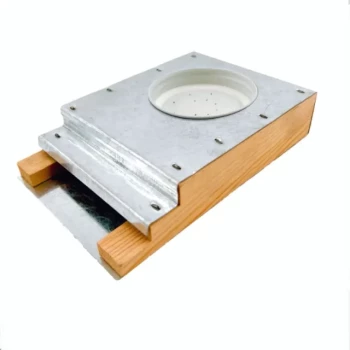
The primary reason for using specialized beekeeping feeders and water supply equipment during dearth seasons or winter is to prevent colony absconding and collapse caused by acute resource shortages. These tools provide a critical lifeline, allowing for the artificial supplementation of nutrition and hydration when natural forage is unavailable, ensuring the apiary’s production continuity and the survival of the bee population.
Core Takeaway While natural foraging is ideal, dearth seasons create a dangerous gap between hive demand and environmental supply. Specialized equipment bridges this gap not just by providing food, but by delivering it safely—preventing common hazards like drowning and robbing that often occur with improvised feeding methods.
The Critical Role of Resource Continuity
Preventing Colony Absconding
When resources run dry, honeybees perceive their environment as hostile. Without immediate intervention, the colony may attempt to "abscond," abandoning the hive entirely in a desperate search for better conditions. Specialized equipment stabilizes the colony by proving that resources are available, keeping the bees anchored to the hive.
Ensuring Survival During Non-Productive Periods
Winter and dearth seasons are periods of high stress where metabolic needs continue despite the lack of nectar. Artificial supplementation allows the colony to maintain the necessary energy levels to generate heat in winter. This intervention directly boosts survival rates, preventing the massive die-offs often seen in unmanaged colonies during cold snaps.
Maintaining Population Momentum
Survival is not just about existing; it is about remaining strong enough to forage when spring arrives. Supplemental feeding ensures the queen does not shut down egg-laying completely due to perceived famine. This maintains a "strong population momentum," ensuring the colony is populous and ready to produce immediately when the honey flow begins.
Why "Specialized" Equipment Matters
Engineering Out the Drowning Risk
Bees are notoriously poor swimmers and can easily drown in open liquid sources. Specialized waterers utilize shallow access points equipped with pebbles or buoys that serve as landing platforms. Similarly, specialized feeders are structurally designed to allow access to syrup without trapping the bees in the liquid, significantly reducing bee mortality.
Preventing Robbing Behavior
During a dearth, strong colonies will aggressively attack weaker ones to steal honey. Open feeding or improper equipment attracts these "robber bees" and other pests. Specialized feeders are designed to be internal or highly controlled, minimizing the scent release and protecting the colony from external predation.
Regulating Hive Physiology
Water is not just for hydration; it is a mechanical tool for the hive. Bees use water to regulate internal hive temperature through evaporative cooling and to dilute stored honey for consumption. Providing a close, safe water source reduces the energy cost of fetching water, allowing bees to focus energy on brood rearing and temperature control.
Understanding the Trade-offs
The Risk of Dependency
While critical for survival, sugar syrup and supplements are nutritionally inferior to natural nectar and pollen. Over-reliance on feeders can mask underlying issues with the location's natural carrying capacity. Feeders should be viewed as a bridge during shortages, not a permanent replacement for natural forage.
Maintenance and Hygiene Requirements
Specialized equipment introduces a new vector for contamination if not managed correctly. Syrup can ferment quickly in warm weather, and mold can grow in damp feeders, potentially poisoning the colony. Regular cleaning and monitoring are required, adding a layer of labor to the apiary management schedule.
Making the Right Choice for Your Goal
To maximize the effectiveness of your equipment, align your choice with your specific management objective:
- If your primary focus is Overwintering Survival: Prioritize internal feeders that minimize heat loss and provide heavy carbohydrate syrup to fuel cluster heating.
- If your primary focus is Dearth Management (Summer): Focus on specialized waterers with ample landing zones to assist in temperature regulation and prevent dehydration.
By treating feeding and watering equipment as essential infrastructure rather than emergency backup, you transform environmental volatility into manageable stability.
Summary Table:
| Equipment Type | Primary Function | Key Survival Benefit | Risk Mitigated |
|---|---|---|---|
| Specialized Feeders | Artificial Nutrition | Maintains colony momentum & queen laying | Robbing & Starvation |
| Specialized Waterers | Hydration & Cooling | Regulates internal hive physiology | Drowning & Dehydration |
| Internal Feeders | Winter Energy Supply | Minimizes heat loss during clusters | Metabolic Exhaustion |
| Landing Zone Waterers | Summer Temperature Control | Enables evaporative cooling | Hive Overheating |
Partner with HONESTBEE to Secure Your Apiary’s Future
Don't let environmental volatility threaten your commercial operations. At HONESTBEE, we empower commercial apiaries and distributors with a full spectrum of professional-grade beekeeping tools and equipment designed for survival and high-volume production.
From precision-engineered feeders and waterers to advanced hive-making and honey-filling machines, we provide the comprehensive wholesale offering your business needs. Whether you require essential industry consumables or specialized hardware, our portfolio is built to help you transform environmental challenges into manageable stability.
Ready to scale your operation? Contact our experts today to discover how our equipment can enhance your productivity and protect your bee populations year-round.
References
- A. Abdu, Girma Gudesho. Knowledge, Attitude and Practice of Bee Keeping in Nadhi-Nono District, Illubabor Zone, Oromia Regional State, Ethiopia. DOI: 10.11648/j.ab.20251302.11
This article is also based on technical information from HonestBee Knowledge Base .
Related Products
- HONESTBEE Entrance Bee Feeder Professional Hive Nutrition Solution for Beekeeping
- HONESTBEE Entrance Bee Feeder Efficient Hive Front Liquid Feeding Solution for Beekeeping
- Professional In-Hive Bee Feeder HONESTBEE Frame for Beekeeping
- Boardman Entrance Bee Feeder Durable Galvanized Steel and Wood Construction for Beekeeping
- White Plastic 0.5L Beekeeping Entrance Feeder for Bees
People Also Ask
- What types of bee feeders are available for beginners? Start with the Simple Entrance Feeder
- What are the advantages and disadvantages of using an entrance feeder for bees? Balance Convenience and Hive Security.
- What is a bee entrance feeder and what are its drawbacks? Essential Guide to Hive Security and Feeding Efficiency
- How does a bee entrance feeder work? A Simple Guide to Convenient Hive Feeding
- How to make an entrance feeder for bees? A DIY Guide for Safe & Effective Feeding