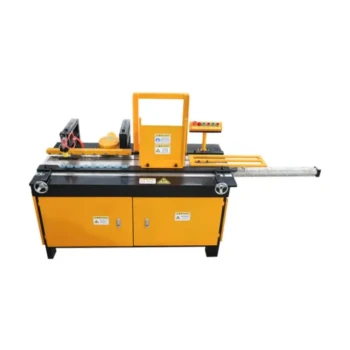
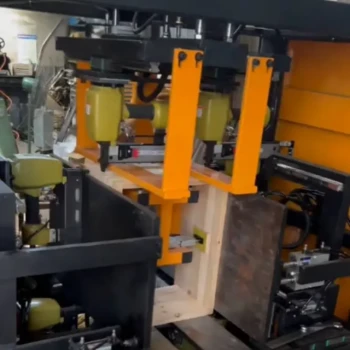
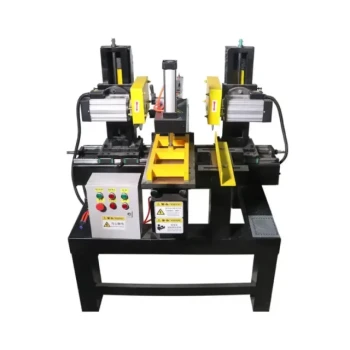
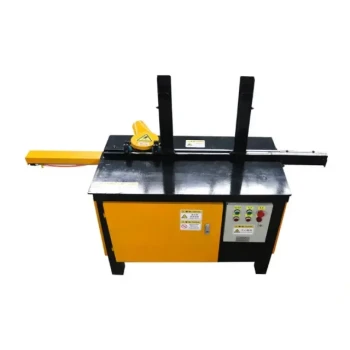
The use of specialized hive-making machinery is critical because it guarantees structural uniformity across all equipment. By enforcing precise specifications, these machines ensure that hive frames are fully compatible with automated post-processing tools, such as centrifugal honey extractors, while simultaneously optimizing the physical structure for bee health and colony defense.
Standardization acts as the hardware foundation for industrial beekeeping. It transforms hive construction from a variable craft into a scalable system, ensuring component interchangeability, enhancing biological protection, and enabling mechanized harvesting.
The Operational Necessity of Standardization
Enabling Mechanized Harvesting
The primary driver for using specialized machinery is the compatibility required for harvest. As noted in the primary reference, modern apiaries rely on post-processing equipment, specifically centrifugal honey extractors.
If hive frames vary even slightly in size due to manual construction, they may not fit into extractors or could suffer damage during high-speed spinning. Machine-manufactured uniformity ensures seamless integration with this equipment, preventing bottlenecks during critical harvest windows.
Achieving Component Interchangeability
In large-scale operations, the ability to swap parts between hives without friction is non-negotiable. Specialized machinery utilizes standardized processing molds to produce components that are identical.
This allows beekeepers to move frames, supers, and covers between colonies instantly. It facilitates rapid hive transport and makes mechanized inspections possible, significantly improving efficiency during large-scale pollination operations.
Supporting Mathematical Management Models
Industrial beekeeping often relies on data to predict population growth and honey yield. Population prediction errors frequently stem from variations in the physical hive environment.
By using industrial-grade machines to ensure structural precision, apiaries create a stable physical carrier. This consistency reduces variables, making management based on mathematical models more accurate and effective.
Biological Benefits and Colony Health
Optimizing "Bee Space" and Reducing Stress
High-precision woodworking machinery ensures the accuracy of "bee space"—the critical gap required between frames for bees to move freely.
When this space is inconsistent, it causes significant stress to the colony and leads to inefficient comb building. Precise manufacturing reduces this stress, which indirectly guarantees the stability and quality of active ingredients in honey and royal jelly.
Enhancing Pest Defense Without Chemicals
Machine-manufactured hives offer superior sealing compared to handmade alternatives. This tight physical construction helps block the entry of pests, reducing the need for chemical interventions.
In organic production environments, this is vital. The precise physical design reduces reliance on pesticides for insect prevention, protecting the natural purity of the honeybee growth environment at the source.
Weather Resistance and Durability
Machinery produces hives with tighter joints and better weather resistance. This prevents ground moisture erosion and helps maintain optimal internal humidity levels.
Better sealing extends the service life of the equipment, reducing long-term maintenance costs. It also ensures the hive remains a dry, ventilated environment, which is essential for preventing disease.
Understanding the Trade-offs
Initial Investment vs. Long-Term Viability
Utilizing specialized machinery shifts apiary construction from a labor-intensive process to a capital-intensive one. The reliance on industrial-grade equipment requires a higher initial setup cost compared to manual assembly.
The Cost of Variation
However, avoiding this standardization creates a "hidden tax" on operations. Without machine precision, the lack of interchangeability leads to increased labor during inspections and higher equipment failure rates during extraction. The trade-off overwhelmingly favors machine precision for any operation seeking scale or consistency.
Making the Right Choice for Your Goal
- If your primary focus is Industrial Efficiency: Prioritize machinery that guarantees frame compatibility with your specific model of centrifugal extractors to eliminate harvest bottlenecks.
- If your primary focus is Organic Certification: Select machinery capable of processing chemical-free wood with high-precision sealing to minimize the need for pesticide application.
- If your primary focus is Logistics and Transport: Ensure the machinery produces strictly standardized external dimensions to facilitate stacking and mechanized loading during pollination services.
Standardization is not merely a manufacturing preference; it is the prerequisite for a scalable, healthy, and mechanically integrated apiary.
Summary Table:
| Key Feature | Benefit of Specialized Machinery | Impact on Apiary Management |
|---|---|---|
| Structural Uniformity | Ensures component interchangeability | Facilitates rapid inspections and easy hive transport. |
| Precision Bee Space | Optimizes internal hive gaps | Reduces bee stress and enhances colony productivity. |
| Equipment Compatibility | Seamless fit with centrifugal extractors | Eliminates bottlenecks during mechanized honey harvesting. |
| Enhanced Sealing | Superior joints and weather resistance | Prevents pest entry and reduces reliance on chemical treatments. |
| Data Accuracy | Stable physical carrier for colonies | Enables precise population and yield prediction models. |
Elevate Your Apiary Operations with HONESTBEE
Transitioning to a standardized, industrial-scale apiary requires more than just tools—it requires precision engineering. HONESTBEE specializes in supporting commercial apiaries and distributors with high-performance hive-making machinery, automated honey-filling machines, and a complete spectrum of professional beekeeping equipment.
By partnering with us, you gain access to a comprehensive wholesale catalog designed to enhance your efficiency, ensure biological protection, and maximize your harvest yield. From specialized hardware to essential industry consumables, we provide the hardware foundation for your success.
Ready to scale your beekeeping business? Contact HONESTBEE Today to Explore Our Wholesale Solutions
References
- Catherine Hannan, Nia Morales. Feed Your Bees: A Landscaping Guide for North Central Florida Backyard Beekeepers. DOI: 10.32473/edis-uw546-2025
This article is also based on technical information from HonestBee Knowledge Base .
Related Products
- High-Efficiency Pneumatic Bee Hive Making Machine for Rapid Box Assembly
- Beehive Handle and Frame Rest Cutting Machine: Your Specialized Hive Machine
- Mini Desktop Bee Hive Frame Forming Making Machine
- Automatic High-Speed Bee Hive Box Stapling Machine
- Beehive Machine Double End Saw for Precision Hive Component Manufacturing
People Also Ask
- How does the introduction of professional beehive-making machinery benefit sustainable beekeeping? Scale Your Apiary
- Why is specialized beehive-making machinery critical for low-defense breeding? Enhance Selection with Precision Tools
- How does the introduction of specialized beehive making machinery contribute to increasing the scale of regional beekeeping industries?
- What is the importance of specialized beehive making machinery in a circular bio-economy? Build Local Sustainability
- Why is specialized beehive-making machinery essential? Scale Your Apiary with Precision Industrial Standards