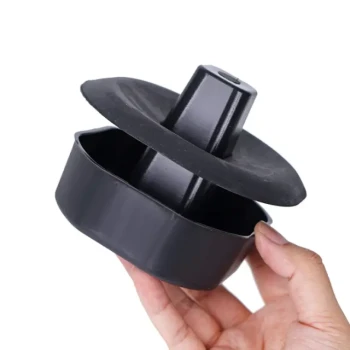
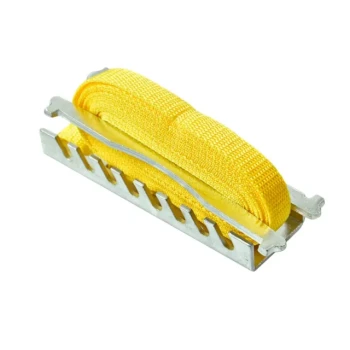
Specialized hive stands and mounting brackets are critical because they elevate the hive to the specific vertical range preferred by the species. Research confirms that Tetragonula iridipennis colonies instinctively seek nesting sites between 6 and 7 feet (1.8 to 2.1 meters) above ground level. Matching this biological height requirement is the single most effective way to ensure wild colonies accept artificial housing.
While the internal structure of a hive is important, its vertical placement is equally vital; elevating hives to the natural 6–7 foot nesting zone via specialized stands directly correlates with higher colony acceptance rates and optimized honey production.
The Biological Imperative of Elevation
Mimicking Natural Nesting Zones
In the wild, Tetragonula iridipennis (dammer bees) rarely nest near the ground. They naturally prefer crevices in stone or mud walls.
Specialized stands and brackets allow you to replicate this specific arboreal or structural elevation. By positioning the hive at the correct height, you simulate the natural safety and environmental conditions the bees genetically prefer.
Increasing Colony Acceptance
The primary challenge in Meliponiculture is convincing a wild colony to inhabit an artificial structure.
Data indicates that adherence to the 1.8 to 2.1-meter height parameter significantly increases the acceptance rate. If a hive is placed outside this zone, the colony is far more likely to reject the housing, regardless of how well-designed the box itself is.
Operational Benefits of Correct Mounting
Optimizing Productivity
Correct placement does more than just attract bees; it impacts their long-term performance.
When colonies are situated at their preferred height, stress is minimized. Research suggests that utilizing adjustable stands to maintain this specific height optimizes eventual honey production performance.
Facilitating Urban Integration
Specialized mounting brackets enable the placement of hives in limited spaces, such as balconies and terraces.
This equipment allows beekeepers to utilize vertical space on walls, making it possible to promote large-scale stingless beekeeping in urban environments without requiring a large footprint.
Understanding the Trade-offs
Accessibility vs. Biology
Mounting hives at 6 to 7 feet prioritizes the bees' preferences but creates a challenge for the beekeeper.
At this height, routine inspection and honey harvesting may require step ladders or adjustable mechanisms. You must balance the biological need for height with your own safety and ergonomic access for maintenance.
Stability Requirements
Elevating a hive significantly raises its center of gravity.
Unlike ground-level hives, those on tall stands or wall brackets are more susceptible to wind or accidental bumps. The mounting hardware must be robust enough to act as a stabilization vessel, ensuring the colony is not disturbed by vibration or movement.
Making the Right Choice for Your Goal
To succeed with Tetragonula iridipennis, your equipment must serve the bee's instincts first and your convenience second.
- If your primary focus is Colony Establishment: Ensure your stands are adjustable and set strictly to the 6–7 foot range to maximize the chance of the swarm moving in.
- If your primary focus is Urban Beekeeping: Utilize wall-mounting brackets to simulate natural wall crevices and save floor space while adhering to the required height.
Aligning your equipment with the biological instincts of the bee is the difference between an empty box and a thriving colony.
Summary Table:
| Feature | Biological/Operational Impact | Key Requirement |
|---|---|---|
| Vertical Height | Mimics natural 1.8–2.1m nesting zone | Essential for colony acceptance |
| Mounting Brackets | Enables urban placement on walls/terraces | Secure stabilization vessel |
| Adjustable Stands | Minimizes stress & optimizes honey output | Robust, vibration-free design |
| Vertical Space | Replicates stone/mud wall crevices | Secure attachment at 6-7 feet |
Maximize Your Meliponiculture Success with HONESTBEE
To successfully cultivate Tetragonula iridipennis, your infrastructure must align with their biological instincts. HONESTBEE specializes in providing commercial apiaries and distributors with high-quality, specialized beekeeping tools and machinery designed for precision and durability.
Whether you need robust mounting brackets to replicate natural nesting heights or advanced honey-filling machinery for your harvest, we offer the full spectrum of industrial-grade equipment and consumables. Let us help you optimize your colony performance and honey production efficiency.
Ready to elevate your beekeeping operations?
Contact HONESTBEE today for wholesale inquiries and expert solutions.
References
- Balakrishnan Saaıvıgnesh, Banujaa. Nesting Etiquacy of Stingless Bee <i>Tetragonula “Iridipennis”</i> Species Group. DOI: 10.55446/ije.2023.1250
This article is also based on technical information from HonestBee Knowledge Base .
Related Products
- Metal Hive Feet Bee Hive Stand for Ant Protection
- Professional Ant-Proof Beehive Stand with Integrated Moat for Beekeeping
- Metal Bee Hive Stand Bee Box Stand for Beekeeping
- Plastic Bee Hive Stand for Beekeeping
- Professional Galvanized Steel Frame Rest for Beehives
People Also Ask
- What are the benefits of elevating a bee hive with a stand or base? Protect Your Colony and Your Back
- How does a beehive stand protect against predators and pests? Essential Strategies for Colony Security
- How should the height of a beehive stand be determined? Find Your Ergonomic Sweet Spot
- What to stand a beehive on? The Best Foundation for a Healthy, Manageable Apiary
- What is the best base for a beehive? Choose the Right Stand for Colony Health