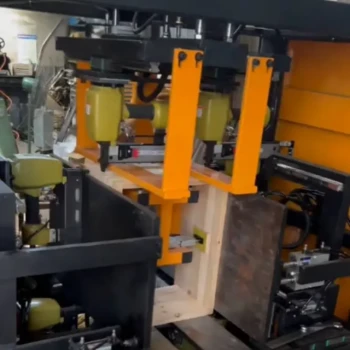
Standardized Rational Hive Boxes act as a primary line of defense against Small Hive Beetles (SHB) by physically eliminating the structural vulnerabilities found in traditional hives. By utilizing precise industrial manufacturing, these boxes create a tightly sealed environment that removes the gaps and cracks beetles use to infiltrate the colony and hide. This structural integrity, combined with a modular design, significantly enhances a beekeeper’s ability to perform the frequent, thorough inspections necessary for early pest detection.
The Core Advantage While traditional methods rely heavily on the colony's natural resilience, Rational Hive Boxes engineer out the physical defects that pests exploit. They transform the hive from a passive shelter into a secure, monitorable fortress that funnels pests into defense zones and simplifies human intervention.
Denying the Pest's Habitat
The Small Hive Beetle ( Aethina tumida) is an opportunistic pest that thrives in chaotic, poorly sealed environments. Rational Hive Boxes neutralize these biological advantages through mechanical precision.
Elimination of Structural Gaps
The primary reference highlights that standardized boxes provide precise sealing. In traditional log hives, irregular crevices allow beetles to enter undetected and lay eggs away from the bees' reach. Rational boxes are industrially designed to minimize these structural gaps, effectively depriving adult beetles of safe harbor.
Focusing Colony Defense
Beetles primarily locate hosts through scent and attempt to bypass guards by exploiting cracks in the hive walls. A high-sealing box closes off these "back doors." This forces the beetles to attempt entry through the main entrance, which acts as a strategic choke point where the bee colony can concentrate its defensive resources.
Limiting Internal Hiding Spots
Beetles seek out spaces to hide from aggressive worker bees. The interior uniformity of a Rational Hive Box reduces the number of uncontrolled crevices. Without these safe zones, beetles are more exposed to the colony's harassment and removal efforts.
Enhancing Management and Inspection
Physical exclusion is only half the battle; the other half is active management. Standardized equipment changes the beekeeper's role from observer to active defender.
Streamlined Inspection Protocols
Standardized designs allow for interchangeability and scalability. Unlike fixed natural nests, these boxes facilitate routine inspections by allowing technicians to easily access the colony's interior. This accessibility is crucial for monitoring the health of the hive and spotting infestations before they become critical.
Improved Visibility and Early Detection
Rational hives often incorporate features like observation windows. This transparency allows beekeepers to detect early-stage invasions without fully dismantling the hive, which lowers stress on the colony. Early visual confirmation is essential for timely intervention.
Integration of Control Measures
The design of these hardware units specifically supports the integration of defense enhancements. Beekeepers can easily install resin-based barriers or physical traps within the standardized dimensions of the box, significantly improving protection efficiency for vulnerable stingless bee species.
Understanding the Limitations
While Rational Hive Boxes are superior for pest control, they are not a "set it and forget it" solution.
Equipment is Not a Cure-All
A high-quality box improves security, but it does not eliminate the need for environmental management. As noted in the supplementary references, beetle larvae can travel significant distances. Therefore, using a good box must be paired with ground management (such as using diatomaceous earth or salt) to fully break the pest's lifecycle.
The Inspection Trade-off
The modularity that makes inspection easy also requires discipline. Beekeepers must be careful when manipulating frames or modules to avoid accidentally crushing bees or introducing gaps during reassembly. The effectiveness of the box relies entirely on the beekeeper maintaining the integrity of the seal after every check.
Making the Right Choice for Your Goal
Choosing the right equipment depends on your specific objectives in stingless bee farming.
- If your primary focus is Commercial Production: Adopt Rational Hive Boxes to standardize your workflow, as the modular design optimizes honey output and simplifies colony splitting.
- If your primary focus is Conservation/Hobbyist: Use these boxes for their observation windows, which allow you to enjoy and monitor the bees with minimal disturbance while ensuring better survival rates against pests.
- If your primary focus is Pest Management: Prioritize boxes with high-precision manufacturing to ensure tight seals, forcing all pests to face the colony's guards at the main entrance.
Standardization turns the hive structure from a variable liability into a consistent, defensible asset.
Summary Table:
| Feature | Traditional Log/Irregular Hives | Standardized Rational Hive Boxes |
|---|---|---|
| Structural Integrity | Prone to cracks, gaps, and crevices | Precision-engineered tight seals |
| Beetle Harboring | High (many hiding spots from bees) | Low (minimized internal hiding zones) |
| Entry Control | Multiple infiltration points | Forced entry via guarded choke points |
| Inspection Ease | Difficult; often requires destruction | Streamlined via modular interchangeability |
| Pest Monitoring | Blind monitoring; high colony stress | Easy via observation windows and access |
| Defense Support | Low compatibility with traps | High integration for traps and barriers |
Secure Your Apiary with HONESTBEE Precision Equipment
Don't let Small Hive Beetles compromise your colony's productivity. HONESTBEE provides the professional-grade infrastructure needed for successful stingless bee farming. We cater to commercial apiaries and distributors with a comprehensive wholesale offering, including:
- High-Precision Rational Hive Boxes: Engineered for tight seals and modular scalability.
- Advanced Machinery: From hive-making to honey-filling systems.
- Beekeeping Essentials: A full spectrum of tools, consumables, and cultural merchandise.
Whether you are scaling a commercial operation or supplying the industry, our hardware turns hive vulnerability into a defensible asset. Contact HONESTBEE today to explore our wholesale solutions and enhance your protective capabilities!
References
- Rafael A. Calderón-Fallas, Luis Sánchez-Chaves. Revisión sobre la presencia del Pequeño Escarabajo de la Colmena, Aethina tumida (Coleoptera: Nitidulidae) infestando colonias de abejas nativas sin aguijón (Apidae: Meliponini). DOI: 10.15359/rcv.41-1.3
This article is also based on technical information from HonestBee Knowledge Base .
Related Products
- Portable Bee Mating Hive Boxes Mini Mating Nucs 8 Frames for Queen Rearing
- Langstroth Honey Bee Box Hive Boxes for Different Depths
- Australian Langstroth Beehive Boxes for Beekeeping Wholesales
- Metal Bee Hive Stand Bee Box Stand for Beekeeping
- Automatic High-Speed Bee Hive Box Stapling Machine
People Also Ask
- How do specialized queen-rearing frames and mating boxes boost off-season bee production? Optimize Your Apiary's Output
- What are the approximate weights of different types of 8-frame beehive boxes? Lift Smarter for Your Apiary
- What role does the structural configuration of beekeeping mating boxes play? Optimize Queen Mating Success
- What is an 8 frame box and why is it popular? A Lighter, More Ergonomic Hive Solution
- What role do portable mating nucs play in geographic isolation breeding? Secure Genetic Purity in Remote Locations