The use of sterilized amber glass containers is the industry standard for maintaining the chemical and biological integrity of honey samples. This method addresses two primary threats to sample validity: microbial contamination and photochemical degradation. By combining a sterile environment with UV-blocking glass, you prevent the breakdown of heat-sensitive and light-sensitive active substances—specifically phenolic and flavonoid compounds—thereby ensuring the accuracy of subsequent biological activity analyses.
Honey is a hygroscopic, acidic, and biochemically complex matrix that degrades rapidly under improper conditions. Using sterilized amber glass creates an inert, light-proof barrier that effectively "freezes" the sample's bioactivity, preventing the fermentation, leaching, and oxidation that render laboratory data useless.
The Critical Role of Light Shielding
Blocking Ultraviolet Radiation
Honey contains varied bioactive compounds that are highly sensitive to light exposure. Standard clear glass or plastic allows ultraviolet (UV) and visible light to penetrate the sample.
Amber glass is specifically engineered to filter out these harmful wavelengths. This filtration is essential for preventing photochemical reactions that alter the sample's composition before it reaches the lab.
Preserving Bioactive Compounds
The primary reference highlights that phenolic and flavonoid compounds are particularly vulnerable to degradation. These compounds are often the focus of antioxidant and biological activity analyses.
If these substances degrade due to light exposure during storage, the analytical results will be artificially low. Amber glass protects these specific active substances, ensuring the data reflects the honey's true original state.
Chemical Stability and Contamination Control
Preventing Microbial Contamination
Honey samples are susceptible to spoilage, particularly if their moisture content allows for yeast growth. The use of sterilized containers is non-negotiable to eliminate initial microbial loads.
Without sterilization, introduced bacteria or yeast can trigger fermentation. This biological activity changes the acidity and chemical profile of the honey, invalidating physicochemical parameters like pH and sugar content.
The Problem of Acidity and Leaching
Honey is naturally acidic. When stored in inferior materials, this acidity can cause the packaging material to break down over time.
Supplementary data indicates that plastic containers carry a risk of plasticizer migration, where chemical components of the container leach into the honey. Glass is chemically inert, ensuring that no foreign substances contaminate the sample matrix.
Managing Hygroscopicity
Honey is hygroscopic, meaning it naturally absorbs moisture from the surrounding air. If a container is permeable or seals poorly, atmospheric moisture will enter the sample.
Excess moisture dilutes the honey and significantly increases the risk of fermentation. Glass provides a superior barrier against moisture exchange compared to many plastics, maintaining the sample's original moisture concentration.
Common Pitfalls in Sample Storage
The Limitations of "Food-Grade" Plastic
While food-grade plastic is sometimes used to block moisture, it lacks the comprehensive protection of glass. Plastic is generally more permeable to gases and less effective at shielding specific light wavelengths.
Furthermore, the risk of chemical migration (leaching) is higher in plastics. For high-precision laboratory analysis, the inert nature of glass makes it the superior choice over plastic to prevent cross-contamination.
Temperature Control is Still Required
While amber glass handles light and sterility handles microbes, the container alone cannot manage thermal degradation.
As noted in the supplementary references, storage at 4°C is often required in conjunction with amber glass. The glass protects against light, but refrigeration is necessary to inhibit enzyme activity and further stabilize the sample's biochemistry.
Best Practices for Analytical Success
To ensure your honey samples yield valid, reproducible data, choose your storage method based on your specific analytical goals:
- If your primary focus is Biological Activity (Antioxidants/Phenolics): You must use amber glass to block UV radiation, as these compounds are rapidly degraded by light.
- If your primary focus is Chemical Composition (Acidity/Moisture): You must use glass with an airtight seal to prevent moisture absorption and plasticizer migration.
- If your primary focus is Botanical Origin: You must use sterilized containers to prevent fermentation, which destroys the pollen and chemical markers used for identification.
Ultimately, the reliability of your laboratory results is directly dependent on the inertness and protective quality of your storage vessel.
Summary Table:
| Feature | Protection Benefit | Why it Matters for Honey |
|---|---|---|
| Amber Tinting | UV & Light Shielding | Prevents degradation of phenolic and flavonoid compounds. |
| Sterilization | Microbial Control | Eliminates yeast and bacteria to prevent sample fermentation. |
| Inert Glass Material | Chemical Stability | Avoids plasticizer leaching and withstands honey's natural acidity. |
| Airtight Sealing | Moisture Barrier | Prevents honey's hygroscopic nature from absorbing atmospheric water. |
Elevate Your Beekeeping Standards with HONESTBEE
Maintaining the integrity of your honey—from the hive to the laboratory—is vital for commercial success. At HONESTBEE, we specialize in supporting commercial apiaries and distributors with a comprehensive range of professional solutions. Whether you need high-precision honey-filling machines, specialized beekeeping tools, or industry-essential consumables, our portfolio is designed to preserve the quality of your harvest.
Partner with HONESTBEE to enhance your production efficiency and product value:
- Wholesale Equipment: Full spectrum of machinery for large-scale operations.
- Quality Assurance: Tools designed to maintain the chemical and biological integrity of your honey.
- Expert Support: Tailored solutions for global distributors and commercial beekeepers.
Contact HONESTBEE Today to discover how our specialized hardware and expertise can scale your beekeeping business.
References
- Mahani Majid, Zakbah Mian. Determination of xanthine oxidase inhibition in stingless bee honey from different botanical origin. DOI: 10.1088/1755-1315/269/1/012029
This article is also based on technical information from HonestBee Knowledge Base .
Related Products
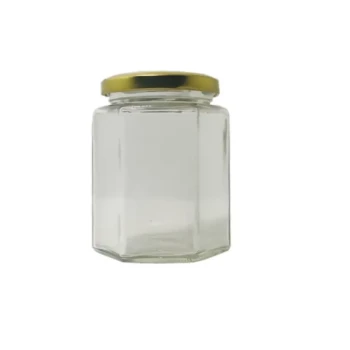
- Hexagonal Glass Honey Jars with Metal Lug Caps Elegant Versatile Packaging
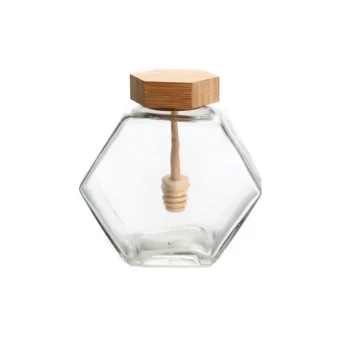
- Hexagonal Glass Honey Jar with Wooden Lid Integrated Dipper Elegant Functional Storage
People Also Ask
- What is the aesthetic appeal of using glass jars for honey? Elevate Your Brand with Premium Packaging
- What are the logistical challenges associated with using glass jars for honey packaging? Navigating Weight & Fragility
- What are the advantages of glass containers for honey? Elevate Quality and Market Value with Premium Packaging
- What are the technical advantages of using glass jars for honey? Master Commercial Packaging for Premium Purity
- What are the advantages of using glass jars for honey packaging? Preserve Purity & Elevate Your Brand