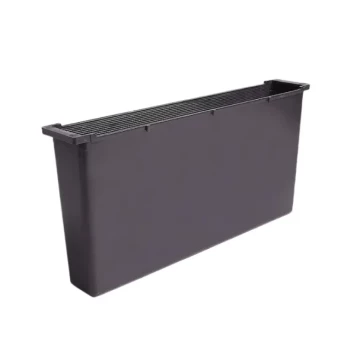
Supplemental bee feeders and nutrition are the lifeblood of apiary resilience. They are critical because they prevent colony starvation, hive desertion (absconding), and immune system decline during periods of natural forage scarcity. By bridging these nutritional gaps, beekeepers ensure their colonies remain at peak population levels, ready to maximize honey production the moment the next flowering season begins.
Supplemental feeding is a non-negotiable management strategy that transforms environmental volatility into predictable production. By providing precise delivery of syrup and pollen substitutes, these tools safeguard the beekeeper’s primary asset—the colony—against drought, monoculture "food deserts," and seasonal dearths.
Ensuring Colony Survival and Continuity
Preventing Hive Absconding and Mortality
During a dearth, the absence of natural nectar and pollen can lead to total colony collapse or hive desertion. Supplemental feeders provide the essential energy and protein needed to keep worker bees alive and prevent the colony from "absconding" in search of better resources.
Maintaining the Brood-Rearing Drive
A productive apiary relies on a continuous population of young bees to replace aging foragers. Providing measured amounts of pollen substitutes and syrup ensures the queen continues to lay eggs even when the landscape is barren, maintaining a sufficient workforce for the upcoming honey flow.
Protecting Immune Health and Vitality
Nutritional stress directly leads to a decline in the honey bee immune system, making colonies more susceptible to diseases and parasites. Supplemental nutrition acts as a vital buffer, providing the physiological strength required for bees to survive wintering periods or long-distance transport.
Addressing Landscape and Environmental Challenges
Mitigating the Impact of Monoculture Farming
In regions dominated by intensive corn and soybean production, natural forage is often limited to very narrow windows. These "food deserts" create significant seasonal gaps that only professional supplemental feeding equipment can fill, ensuring year-round production continuity.
Rapid Recovery for Peak Production
The goal of supplemental feeding is not just survival; it is readiness. Colonies that are fed during scarcity can resume full-scale production immediately when flowering begins, whereas unfed colonies must spend weeks rebuilding their population, missing the most profitable windows.
Precision Delivery in Diverse Climates
Professional feeders are designed to deliver precise amounts of syrup or water without causing bees to drown. This precision is critical during early spring or extreme droughts, where the timing and volume of nutritional intake determine the success of the entire season.
Understanding the Trade-offs and Risks
The Risk of Feed Contamination
While supplemental feeding is essential, poor-quality feeders or improper timing can lead to the contamination of honey stores. If sugar syrup is fed during the main nectar flow, it can end up in the harvested honey, compromising product purity and market value.
Over-Reliance and Pest Attraction
Constant feeding can sometimes encourage pests, such as small hive beetles or ants, if the equipment is not well-maintained or designed for pest exclusion. Distributors must emphasize the need for high-quality, professional-grade equipment that minimizes spills and protects the feed from external invaders.
Making the Right Choice for Your Inventory
As a distributor or wholesaler, your ability to provide a comprehensive, full-spectrum portfolio of feeding solutions is vital for your clients' risk management. Rapid delivery and deep industry expertise ensure that beekeepers have the tools they need before a dearth becomes a crisis.
- If your primary focus is high-yield commercial apiaries: Prioritize high-capacity top feeders and bulk pollen substitute patties that support rapid population growth.
- If your primary focus is seasonal risk mitigation: Stock a range of internal feeders and specialized supplements that can be deployed quickly during unexpected droughts or extended winters.
- If your primary focus is supply chain reliability: Partner with a one-stop sourcing provider that offers ultra-fast delivery and expert technical support to ensure your stock meets seasonal demand spikes.
Proactive nutritional management is the foundation of a profitable apiary, turning environmental challenges into a controlled, professional production cycle.
Summary Table:
| Key Benefit | Functional Detail | Value to Beekeepers |
|---|---|---|
| Colony Survival | Prevents starvation and hive absconding | Protects the beekeeper's primary asset |
| Brood Rearing | Stimulates the queen to continue laying | Maintains workforce for upcoming honey flow |
| Immune Health | Strengthens physiological disease resistance | Reduces losses during wintering or transport |
| Peak Readiness | Enables immediate recovery post-dearth | Maximizes profit during flowering windows |
| Risk Mitigation | Buffers against monocultures and droughts | Transforms volatility into predictable production |
Scale Your Success with HONESTBEE’s One-Stop Sourcing
Maximize your profit margins and supply reliability by partnering with HONESTBEE. We cater specifically to distributors, wholesalers, and commercial apiaries with a comprehensive, full-spectrum product portfolio. From precision supplemental feeders and hive-making machinery to essential consumables and honey-themed merchandise, we provide everything your B2B customers need to combat seasonal dearths.
Why choose HONESTBEE?
- Deep Industry Expertise: Professional-grade tools designed for high-yield production.
- Rapid Response & Delivery: Ultra-fast fulfillment to meet sudden seasonal demands.
- Exceptional Service: Dedicated support for OEM/ODM requirements and certifications.
Don’t let your inventory fall behind—enhance your offering with our premium trading services. Contact HONESTBEE today to discuss our wholesale opportunities!
References
- Abebe Tadesse, Zena Amdebirhan. Exploring Honey Production and Marketing Practices, Challenges, and Opportunities in Workawotu of Gidan Woreda, North Wollo; Ethiopia. DOI: 10.5281/zenodo.7823618
This article is also based on technical information from HonestBee Knowledge Base .
Related Products
- Rapid Bee Feeder White Plastic 2L Round Top Feeder for 8 or 10-Frame Bee Hives
- HONESTBEE Entrance Bee Feeder Professional Hive Nutrition Solution for Beekeeping
- White Plastic 0.5L Beekeeping Entrance Feeder for Bees
- HONESTBEE Entrance Bee Feeder Efficient Hive Front Liquid Feeding Solution for Beekeeping
- HONESTBEE Professional Entrance Bee Feeder Hive Nutrition Solution
People Also Ask
- What should be done with feeders and equipment after feeding bees? Essential Steps for Apiary Health
- What should be done if feed in a feeder is not consumed by the bees? Prevent Hive Mold with Prompt Feed Management
- What is the necessity of specialized internal or entrance feeders? Secure Your Hive with Professional Feeding Tools
- How do bee feeders work to preserve colony health during nectar shortages? Essential Guide for Beekeepers
- How quickly does a medium to strong colony usually empty a feeder? A Beekeeper's Guide to Hive Health