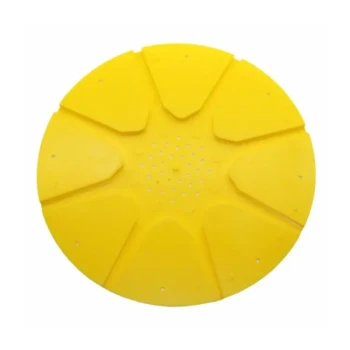
Time-limited closing of the beehive entrance is a critical method for isolating returning forager bees. By temporarily blocking the return path, you force a specific demographic of the colony to congregate at the entrance. This allows you to selectively sample the older bee population, which is statistically the most likely to carry high loads of Nosema spores, ensuring your diagnosis reflects the actual infection risk.
Accurate Nosemosis monitoring depends entirely on sampling the right bees. Because older foragers carry significantly higher spore loads than younger hive bees, temporarily closing the entrance is the most effective way to collect these high-risk individuals for reliable data.
The Science of Selective Sampling
Targeting the High-Risk Demographic
The primary goal of closing the entrance is to intercept forager bees as they return from the field.
Unlike random sampling from inside the hive, this method filters the sample population based on behavior.
The Link Between Age and Infection
Forager bees are typically the oldest individuals in the colony.
According to pathological data, these older bees have a significantly higher probability of infection.
Furthermore, when infected, older bees carry a much higher spore load than their younger counterparts.
Ensuring Data Reliability
Sampling younger bees found inside the hive can lead to false negatives or underestimated infection rates.
By restricting the entrance to catch returning foragers, you ensure the sample represents the segment of the colony most vulnerable to Nosemosis.
This provides the most reliable dataset for evaluating the severity of the disease.
Distinguishing Sampling from General Management
The Role of Standard Entrance Reducers
It is important to distinguish this sampling technique from the standard use of entrance reducers.
As noted in general beekeeping practices, wooden or plastic entrance reducers are typically used for colony defense and environmental control.
They help smaller colonies defend against intruders like wasps or robbing bees and regulate internal temperatures during colder months.
The Specificity of Time-Limited Closing
In the context of Nosemosis, the closing of the entrance is a temporary, active measure, not a passive defense.
While a standard reducer creates a smaller opening for defense, the time-limited closing used for monitoring effectively creates a "trap" to gather specific biological samples.
Understanding the Trade-offs
Sampling Accuracy vs. Hive Disruption
The primary benefit of this method is the high fidelity of the biological data it yields.
However, physically blocking the entrance disrupts the colony's normal workflow and foraging rhythm.
The Importance of "Time-Limited"
The procedure must be strictly time-limited to prevent excessive stress on the colony.
While standard reducers manage ventilation and defense long-term, a complete block for sampling can cause congestion and overheating if left too long.
The goal is to gather the sample quickly and return the hive to normal operations immediately.
Making the Right Choice for Your Goal
To manage your hive effectively, you must apply the right entrance strategy for your specific objective.
- If your primary focus is accurate disease diagnosis: Implement a strictly time-limited entrance closure to capture returning foragers, as they provide the only reliable data for Nosema spore counts.
- If your primary focus is colony defense or winterizing: Install a standard wooden or metal entrance reducer to minimize the entry area, protecting against mice, robbers, and drafts without blocking traffic completely.
By targeting the specific biology of older foragers, you transform a simple sampling procedure into a high-precision diagnostic tool.
Summary Table:
| Feature | Time-Limited Entrance Closing | Standard Entrance Reducers |
|---|---|---|
| Primary Goal | Selective sampling for disease monitoring | Colony defense and heat regulation |
| Target Bee | Older foragers (highest spore load) | General hive population |
| Duration | Very short-term (active intervention) | Seasonal or long-term (passive management) |
| Outcome | Accurate Nosemosis diagnosis | Protection from pests and cold drafts |
Maximize Your Apiary Health with HONESTBEE
Accurate disease monitoring is just the first step toward a thriving commercial apiary. At HONESTBEE, we empower commercial beekeepers and distributors by providing a comprehensive range of professional-grade tools. From advanced hive-making and honey-filling machinery to essential consumables and honey-themed cultural merchandise, we are your one-stop wholesale partner.
Whether you are scaling your honey production or looking for high-quality equipment to supply your local market, our expertise ensures you get the best tools for the job. Contact us today to explore our full wholesale catalog and see how HONESTBEE can streamline your beekeeping operations!
References
- Rafael A. Calderón, Luis Ángel Cuecuecha Sánchez. Nosemosis en colmenas de abejas africanizadas (Apis mellifera) en las condiciones tropicales de Costa Rica: Nosema apis o Nosema ceranae. DOI: 10.15359/rcv.39-2.3
This article is also based on technical information from HonestBee Knowledge Base .
Related Products
- Steel Round Disc Entrance Reducer for Flexzion Bee Hive Nuc Box Gate
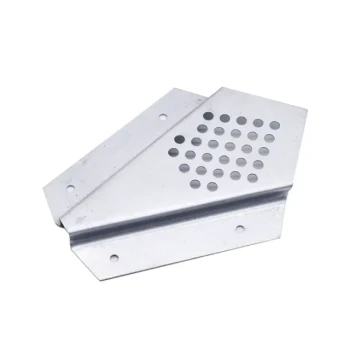
- Beehive Entrance Reducer Guardian Metal Hive Entrance for Bees
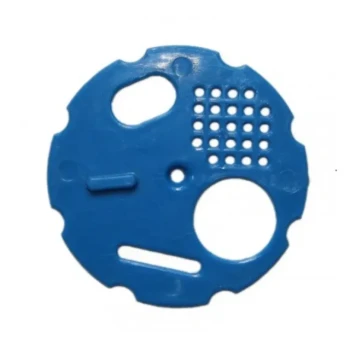
- Beehive Entrance Discs Plastic Bee Entrance Disc for Bee Hives
- Professional Hive Front Entrance Bee Feeder
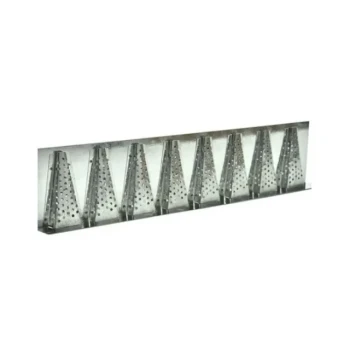
- 8-Cone Galvanized Steel Bee Robber Guard
People Also Ask
- What is the purpose of an entrance reducer for a beehive? Strengthen Colony Defense and Prevent Robbery
- Why are entrance reducers used to counter hornet infestations? Protect Your Hive with Strategic Choke Points
- Why is it critical to maintain a smaller entrance for a newly established bee hive? Boost Colony Growth and Security
- Under what conditions should a beekeeper adjust the size of a beehive entrance? Seasonal & Defense Management Tips
- What is the function of an entrance reducer on a beehive? Strengthen Colony Defense and Climate Control