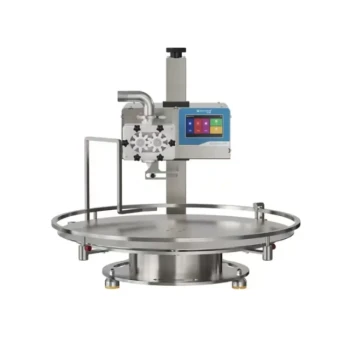
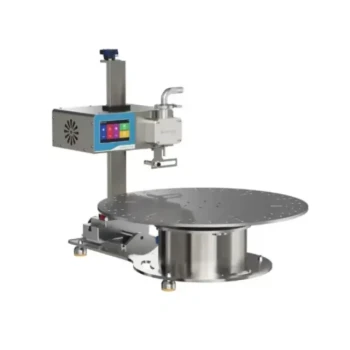
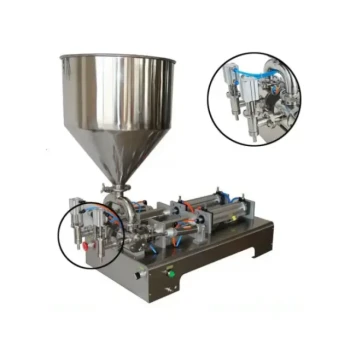
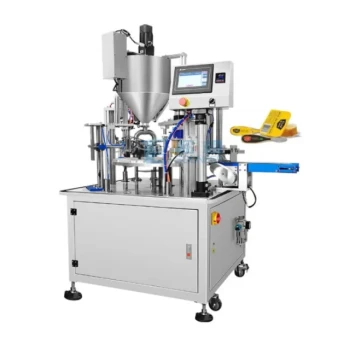
Standardized honey filling requires specialized engineering to manage complex fluid dynamics. Honey is a high-viscosity, non-Newtonian fluid that resists movement and changes its flow characteristics significantly with temperature. Utilizing adapted equipment with piston or specialized pumping systems is the only way to ensure high dosing accuracy, maintain production speed, and prevent the "stringing" or dripping that compromises packaging cleanliness.
Specialized high-viscosity filling equipment is the technical foundation for maintaining product integrity and weight accuracy in commercial honey packaging. By overcoming fluid resistance and preventing environmental exposure, these systems safeguard the honey’s biological properties and the distributor's bottom line.
Overcoming Fluid Resistance and Viscosity Fluctuations
Precision Piston and Pumping Systems
Honey’s high viscosity creates significant internal friction, making it difficult for standard gravity-fed systems to achieve consistent flow. High-precision pistons or specialized pumps are required to exert the necessary force to move the fluid through the filling heads. This mechanical advantage ensures that every container receives an accurate quantitative fill, regardless of the honey's density.
The Impact of Temperature on Flow
Honey is highly sensitive to temperature, which directly dictates its viscosity and ease of packaging. Professional equipment often includes precise temperature control to maintain optimal fluidity without overheating the product. This balance is critical for maintaining high-speed production lines while ensuring the honey remains stable for long-term distribution.
Protecting Product Quality and Market Value
Mitigating Oxidation and Air Entrainment
Automated systems use rapid sealing technology and specialized nozzles to exclude air during the bottling process. Preventing air entrainment is vital because honey is hygroscopic and can easily absorb moisture or oxygen from the environment. Proper exclusion of air prevents secondary oxidation, preserving the delicate flavor profiles of monofloral and specialty honeys.
Controlling Hydroxymethylfurfural (HMF) Levels
Excessive exposure to heat and air during the filling process can lead to an increase in Hydroxymethylfurfural (HMF), a key indicator of honey degradation. Industrial-grade machinery minimizes the time honey is exposed to the elements, effectively controlling HMF levels. This technical precision ensures the honey retains its medicinal active ingredients and sensory characteristics through the entire supply chain.
Operational Efficiency and Hygiene Standards
Eliminating Stringing and Dripping
The "stringy" nature of honey can lead to significant product waste and messy containers if not managed by anti-drip filling heads. Specialized equipment utilizes "cut-off" mechanisms that cleanly break the honey stream after each fill. This maintains a high standard of production line hygiene and ensures that labels and caps remain free of sticky residue.
Automation as a Safeguard Against Contamination
High-precision automated filling significantly reduces the risk of secondary contamination by eliminating manual contact with the product. For wholesalers and distributors, this level of hygiene is a prerequisite for meeting international food safety standards. Automated systems provide a sterile environment that maximizes the shelf life and purity of the honey.
Understanding the Trade-offs
Capital Investment vs. Long-Term Yield
While high-viscosity adapted machinery requires a higher initial capital expenditure, the reduction in material waste and manual labor offers a rapid return on investment. Standard equipment often leads to "overfilling" to ensure minimum weight requirements are met, which directly erodes profit margins over large volumes.
Maintenance and Technical Expertise
The high-precision components required for viscous fluids, such as gaskets and precision pumps, require more rigorous maintenance schedules than simpler systems. However, a partner with deep professional industry expertise can provide the necessary support to ensure these machines operate at peak efficiency. Neglecting maintenance in high-viscosity environments can lead to mechanical strain and unexpected downtime.
Making the Right Choice for Your Goal
As a distributor or wholesaler, selecting the right technical foundation is essential for scaling your operations and ensuring client satisfaction through consistent product quality.
- If your primary focus is brand reputation and quality: Prioritize equipment with advanced temperature control and anti-oxidation features to preserve the honey's natural enzymes and flavor.
- If your primary focus is operational speed and fulfillment: Invest in high-precision piston systems and automated sealing technology to maximize throughput and minimize manual intervention.
- If your primary focus is supply chain reliability: Seek partners who offer a full-spectrum product portfolio and rapid response times to ensure your production lines never experience bottlenecks.
By utilizing equipment specifically engineered for the unique challenges of honey, you ensure a superior product that meets the most demanding commercial standards.
Summary Table:
| Feature | Specialized Benefit | Impact on Profitability |
|---|---|---|
| Precision Pistons | Accurate dosing regardless of density | Reduces material waste and overfilling |
| Temperature Control | Maintains optimal flow without overheating | Preserves medicinal enzymes and HMF levels |
| Anti-Drip Heads | Clean breaks in the honey stream | Minimizes cleaning downtime and packaging waste |
| Automated Sealing | Excludes air and moisture | Extends shelf life and preserves flavor profiles |
Elevate Your Distribution Efficiency with HONESTBEE
For commercial apiaries and B2B resellers, equipment reliability is the backbone of profitability. HONESTBEE provides a comprehensive one-stop sourcing solution, offering a full spectrum of beekeeping machinery—from high-precision honey-filling systems to industrial hive-making hardware and essential consumables.
Partner with HONESTBEE for:
- Industry-Leading Expertise: Machinery specifically engineered for the complex fluid dynamics of honey.
- Premium Trading Services: Full OEM/ODM support and global certifications to ensure supply chain reliability.
- Ultra-Fast Fulfillment: Rapid response times and efficient order processing to eliminate production bottlenecks.
- Comprehensive Portfolio: A complete range of tools and honey-themed cultural merchandise to expand your market reach.
Ready to scale your operations with a partner who understands the technical demands of the honey industry?
Contact HONESTBEE for Wholesale & Distributor Pricing Today
References
- Sabra Ambreen, Zahid Mehmood, Khalid Mehmood, Sabeena Rizwan, Farida Behlil, Uzma Jabeen, Ayesha Mushtaq, Farrukh Bashir. Overview on physical properties and biochemical composition of honey. DOI: 10.12692/ijb/18.4.8-21
This article is also based on technical information from HonestBee Knowledge Base .
Related Products
- Commercial Rotary Honey Filling Machine for Production
- Double Nozzle Small Honey Filling Machine Honey Sachet Packing Packaging Equipment
- Precision Durable Efficient HONESTBEE Rotary Honey Filling Machine
- Small Honey Filling Machine Sachet Packing Equipment Single Nozzle
- Manual Honey Filling Machine Bottling Machine for Honey
People Also Ask
- What role do commercial honey filling machines play in honey distribution? Scaling Efficiency and Quality Control
- What technical support do commercial-grade filling machines provide? Convert Honey NTFPs into Marketable Commodities
- What is the significance of specialized honey filling equipment? Scaling from Beekeeping to Commercial Success
- Why is professional honey filling machinery critical for honey production? Scale Your Apiary's Profit & Efficiency
- Why is high-capacity honey filling machinery necessary for Giant Honey Bees? Solve the Apis dorsata Volume Crisis