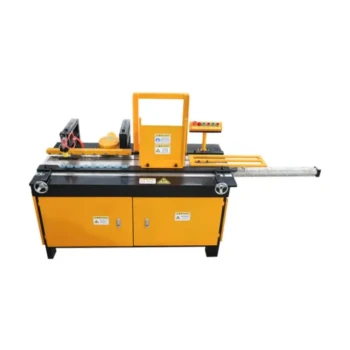
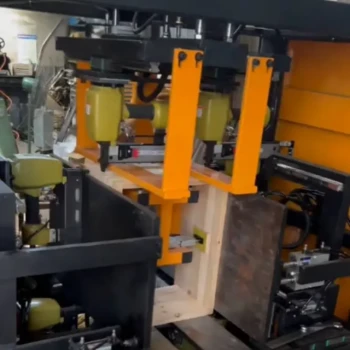
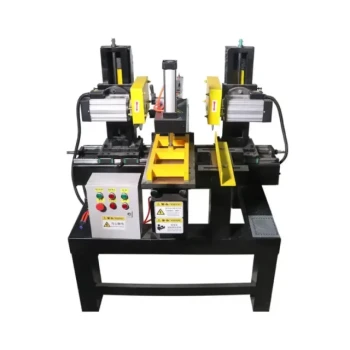
Hive-making machines must maintain strict dimensional precision because the physical size of a honeycomb cell directly dictates the biological response of the queen bee. Specifically, the machine must accurately produce diameters of approximately 5mm for worker cells and 6mm for drone cells to trigger the correct egg-laying behavior.
The physical dimensions of the comb act as a biological switch for the queen bee. Precision manufacturing allows apiaries to artificially regulate the colony's social structure by compelling the queen to lay fertilized eggs (workers) or unfertilized eggs (drones) based solely on cell diameter.
The Biological Mechanism of Cell Size
The Queen’s Decision Process
The queen bee does not randomly select which type of egg to lay; she reacts to the environment provided by the comb.
When she encounters a specific cell diameter, it acts as a tactile signal that determines her biological output.
Defining Critical Dimensions
To successfully trigger these signals, manufacturing equipment must hold tight tolerances.
A diameter of roughly 5mm signals the queen to lay a fertilized egg, which develops into a worker bee.
Conversely, a diameter of approximately 6mm signals her to lay an unfertilized egg, resulting in a drone.
Commercial Implications of Precision
Artificial Regulation of the Colony
By controlling the ratio of 5mm to 6mm cells, beekeepers can manipulate the demographics of the hive.
This allows for the artificial regulation of the bee colony's social structure, ensuring the population balance aligns with the beekeeper's goals.
Optimizing Production Efficiency
Commercial apiaries rely on specific population ratios to maximize yield, whether for honey production or pollination services.
High-precision machinery ensures that the comb foundation consistently supports the intended colony structure, thereby securing overall production efficiency.
The Cost of Inaccuracy
Unintended Colony Demographics
If a machine fails to maintain high precision, the "biological switch" may not trigger correctly.
Deviations from the standard 5mm or 6mm targets can lead to a confused social structure, where the queen lays the wrong egg type for the intended comb.
Loss of Management Control
The primary trade-off in automated hive making is the absolute reliance on machine calibration.
If the machine drifts from the specific dimensions, the beekeeper loses the ability to artificially regulate the hive, reducing the commercial viability of the apiary.
Making the Right Choice for Your Goal
To maximize the efficiency of an apiary, the manufacturing process must prioritize dimensional stability above all else.
- If your primary focus is Worker Population: Ensure the machinery is calibrated to maintain a strict 5mm diameter to maximize fertilized egg production.
- If your primary focus is Drone Production: utilized specialized settings or molds that consistently deliver the 6mm dimension required for unfertilized eggs.
Precision in manufacturing translates directly to control over biology.
Summary Table:
| Cell Type | Required Diameter | Biological Output | Egg Type | Purpose |
|---|---|---|---|---|
| Worker Cell | ~5.0 mm | Worker Bee | Fertilized | Honey production & pollination |
| Drone Cell | ~6.0 mm | Drone Bee | Unfertilized | Breeding & genetic diversity |
| Precision Impact | < 0.1 mm tolerance | Social Stability | Regulated | Maximizing commercial efficiency |
Maximize Your Colony Yield with HONESTBEE Precision
At HONESTBEE, we understand that in commercial beekeeping, a millimeter is the difference between profit and loss. We provide commercial apiaries and distributors with high-precision hive-making machines and honey-processing equipment designed to maintain the strict biological tolerances your colony needs.
From industrial-grade machinery to essential consumables and honey-themed cultural merchandise, our wholesale offerings empower you to artificially regulate colony structures with absolute confidence. Contact us today to discuss how our specialized hardware can enhance your production efficiency and scale your beekeeping operations.
References
- Reem Faqihi, Enas Taha. Apitherapy as an Alternative medicine: Article review. DOI: 10.21608/ajbs.2022.251260
This article is also based on technical information from HonestBee Knowledge Base .
Related Products
- High-Efficiency Pneumatic Bee Hive Making Machine for Rapid Box Assembly
- Mini Desktop Bee Hive Frame Forming Making Machine
- Beehive Handle and Frame Rest Cutting Machine: Your Specialized Hive Machine
- Automatic High-Speed Bee Hive Box Stapling Machine
- Beehive Machine Double End Saw for Precision Hive Component Manufacturing
People Also Ask
- How does the introduction of professional beehive-making machinery benefit sustainable beekeeping? Scale Your Apiary
- Why is specialized beehive-making machinery critical for low-defense breeding? Enhance Selection with Precision Tools
- How does the introduction of specialized beehive making machinery contribute to increasing the scale of regional beekeeping industries?
- What is the importance of specialized beehive making machinery in a circular bio-economy? Build Local Sustainability
- Why is specialized beehive-making machinery essential? Scale Your Apiary with Precision Industrial Standards