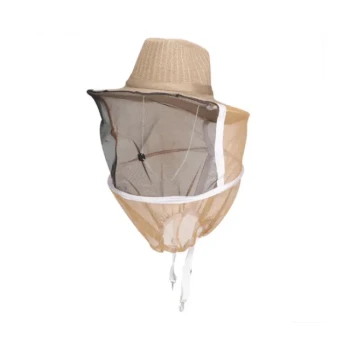
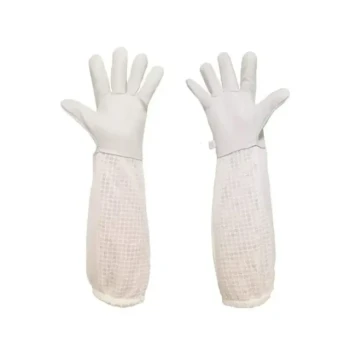
Dedicated equipment acts as the definitive biological firewall in apiary management. To answer your specific question: independent tools and protective gear must be restricted to quarantine areas to physically stop the mechanical transmission of pathogen spores. Without this separation, human operators inevitably become vectors, carrying disease from isolated, suspected cases to the general healthy population of the apiary.
The effectiveness of a quarantine zone relies not just on spatial distance, but on the total elimination of shared contact points. Dedicating specific equipment to these high-risk areas is the only fail-safe method to sever the chain of human-assisted disease transmission.
Establishing a Biological Safety Barrier
Preventing Mechanical Transmission
The primary purpose of equipment isolation is to prevent cross-contamination. Pathogens, particularly spore-forming bacteria, adhere easily to physical surfaces.
If a hive tool or smoker is used in a quarantine zone and then carried to a healthy yard, it acts as a mechanical transport vehicle. Dedicated tools ensure that these pathogens remain physically confined to the isolation area.
Eliminating Human-Assisted Spread
In large-scale commercial operations, the human operator is often the most significant variable in disease spread. By mandating separate logistics management for quarantine zones, you remove the reliance on memory or perfect hygiene habits.
This creates a systemic safeguard. It ensures that even if an operator makes a mistake in handling, the tools themselves will not bridge the gap between sick and healthy colonies.
Understanding the Vectors of Infection
High-Risk Contact Points
Beekeeping gloves and hive tools are the instruments most frequently in contact with high-risk biological matter. This includes honeybee secretions, larval remains, and honey, all of which can harbor high viral or bacterial loads.
Because these tools directly manipulate the biological core of the hive, they become primary vectors. Restricting these specific items to the quarantine zone prevents the transfer of infected organic matter to susceptible colonies.
The Threat of Persistent Spores
Diseases such as American Foulbrood (AFB) produce spores that are incredibly resilient and easily transmissible via contact. These spores can survive on surfaces for long periods.
If protective gear or tools are not exclusive to the quarantine area, they become silent carriers. A single contaminated glove touching a healthy frame can initiate a new outbreak, undermining the entire biosecurity strategy.
Common Pitfalls and Trade-offs
The Fallibility of Disinfection
While chemical disinfection (alcohol, bleach, or specialized agents) is a fundamental step, relying on it exclusively is risky. In a fast-paced commercial environment, consistent and perfect disinfection of manual tools is difficult to guarantee 100% of the time.
Dedicated equipment removes the variable of human error in cleaning. It ensures that a tool missed during the cleaning process does not threaten the wider operation.
Economic Efficiency vs. Biosecurity
Supplementary data suggests that standardized hardware improves economic efficiency and lowers operating costs. However, applying this logic to quarantine zones is a false economy.
While purchasing duplicate equipment for quarantine areas increases upfront costs, it prevents the catastrophic financial loss associated with a widespread disease outbreak. The cost of a second set of tools is negligible compared to the loss of livestock.
Making the Right Choice for Your Goal
To secure your apiary against disease spread, apply these principles based on your operational focus:
- If your primary focus is Maximum Disease Containment: Implement a strict "color-code" policy where all quarantine tools and suits are visually distinct (e.g., painted red) to prevent accidental removal from the zone.
- If your primary focus is Operational Scalability: Standardize the type of equipment used across zones for maintenance consistency, but maintain strictly separate inventories to ensure no physical crossover occurs.
True biosecurity is achieved when the workflow itself prevents the spread of disease, regardless of operator intent.
Summary Table:
| Key Biosecurity Challenge | Impact on Apiary Health | Strategic Mitigation Strategy |
|---|---|---|
| Mechanical Transmission | Tools act as vectors for pathogen spores | Mandatory dedicated equipment sets |
| Human-Assisted Spread | Hygiene failures during hive inspections | Strictly separate inventory management |
| Persistent Spores (AFB) | Long-term contamination of surfaces | Isolation of high-risk contact points |
| Disinfection Fallibility | 100% sterilization is difficult to guarantee | Physical separation of quarantine tools |
Enhance Your Apiary Biosecurity with HONESTBEE
Protect your commercial operations from catastrophic disease spread with professional-grade dedicated equipment. HONESTBEE caters to commercial apiaries and distributors with a comprehensive wholesale offering designed for maximum safety and efficiency.
We supply the full spectrum of beekeeping tools, machinery, and equipment, along with essential industry consumables. Our diverse portfolio features specialized hardware, such as hive-making and honey-filling machines, and unique honey-themed cultural merchandise to support every facet of your business.
Don't let cross-contamination compromise your livestock. Contact us today to equip your apiary with the industry's best.
References
- Barbara Locke, Eva Forsgren. An integrated management strategy to prevent outbreaks and eliminate infection pressure of American foulbrood disease in a commercial beekeeping operation. DOI: 10.1016/j.prevetmed.2019.03.023
This article is also based on technical information from HonestBee Knowledge Base .
Related Products
- Premium Cowboy Beekeeper Hat with Visibility Veil Outdoor Professional Beekeeping Protective Gear
- Beekeeping Jacket with Hood and Veil for Beekeepers
- White Cotton Beekeeping Jacket and Veil for Bee Keepers
- Beekeeping Gloves Goatskin Leather with Long Cotton Sleeve for Beekeepers
- Beekeeper Cowboy Hat and Veil for Beekeeping
People Also Ask
- What design features contribute to the stability and fit of the beekeeper hat? Key Features for Maximum Hive Safety
- How is the beekeeper hat designed for comfort and practicality? Explore Key Features for Enhanced Apiary Safety
- What is the general protective gear recommendation for new beekeepers? Your Essential Beginner's Safety Guide
- How does beekeeping protective gear facilitate the queen bee selection process? Enhancing Precision in Queen Breeding
- What should beekeepers consider when choosing protective gear? A Guide for Maximum Safety & Comfort