Specialized pollen traps are mandatory for accurate residue analysis because they intercept fresh pollen pellets directly at the hive entrance before the colony interacts with them. This ensures the sample represents a raw, unadulterated snapshot of the environment, avoiding the chemical changes and cross-contamination that occur once pollen is stored inside the hive.
To measure environmental risks accurately, you must analyze what the bees are bringing in right now, not what they stored weeks ago. Pollen traps isolate this raw material before it is processed, providing the only valid metric for immediate pesticide exposure.
Ensuring Data Integrity and Relevance
Preventing In-Hive Contamination
The primary scientific justification for using pollen traps is to obtain samples that have not been processed or stored by the colony. Once pollen enters the hive, bees pack it into cells and add enzymes and nectar to create "bee bread."
By intercepting the pollen at the entrance, you eliminate variables introduced by hive management or biological processing. This guarantees the residue analysis reflects the crop source, not the internal hive environment.
Capturing Real-Time Exposure Levels
Residue analysis often aims to correlate pesticide levels with specific application events or blooming periods. Pollen traps provide a realistic reflection of immediate exposure levels in the surrounding landscape.
Because the trap collects what is currently being foraged, researchers can pinpoint exactly when and where bees are encountering contaminants. This temporal precision is impossible to achieve when sampling stored pollen from the comb.
The Mechanics of Non-Invasive Collection
Physical Separation Without Harm
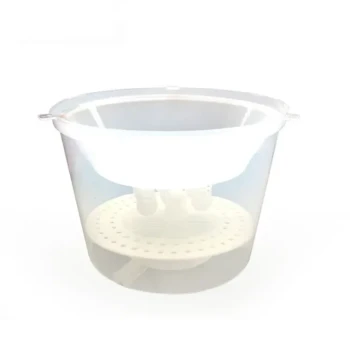
These traps function by placing a specific grid or mesh barrier along the bees' flight path at the entrance. As returning foragers squeeze through apertures (typically around 5mm), the physical contact gently scrapes the pollen pellets from the corbiculae (pollen baskets) on their hind legs.
This mechanism allows for the high-efficiency collection of biological material without injuring the insect. It separates the sample from the vector automatically, streamlining the workflow for large-scale monitoring.
Automating Sample Consistency
Standardized traps turn the hive into an automated sampling station. Instead of relying on manual capture of individual insects—which is labor-intensive and low-volume—traps accumulate large quantities of pellets in a collection drawer.
This volume is critical for comprehensive chemical composition analysis. It ensures there is enough raw material to detect trace residues that might be missed in smaller, individual samples.
Understanding the Trade-offs
Monitoring Hive Health
While traps are essential for data, they act as a physical barrier that restricts resource intake. Extended use without breaks can deprive the colony of the protein required to rear brood.
Mechanical Limitations
The "stripping" efficiency relies on precise aperture sizing. If the grid is damaged or sized incorrectly, pollen may pass through undetected, or conversely, the bees may be hindered from entering, skewing the yield statistics.
Maximizing Data Accuracy in Your Study
To ensure your residue analysis yields valid, defensible results, align your collection method with your specific analytical goals:
- If your primary focus is real-time pesticide monitoring: Install traps for strictly defined intervals to capture fresh, unprocessed pellets that reflect immediate environmental toxicity.
- If your primary focus is botanical source identification: Use the trap to gather high-volume aggregate samples, which allows for a broader assessment of floral resource abundance across the landscape.
Reliable environmental analysis begins with the purity of the sample; pollen traps are the only tool that secures this purity at the point of entry.
Summary Table:
| Feature | Importance in Residue Analysis | Benefit for Researchers |
|---|---|---|
| Real-Time Collection | Prevents degradation of chemical signatures | Pinpoints exact pesticide exposure timing |
| Zero In-Hive Processing | Avoids contamination from enzymes or bee bread | Guarantees raw environmental data |
| High-Volume Yield | Provides sufficient material for trace detection | Increases statistical reliability |
| Physical Separation | Non-invasive scraping of pollen pellets | Efficient, automated sample gathering |
Elevate Your Beekeeping Operations with HONESTBEE
At HONESTBEE, we understand that precision is the backbone of successful commercial apiaries and distribution networks. Whether you are conducting critical environmental research or scaling up honey production, our comprehensive wholesale portfolio delivers the specialized tools you need.
From high-efficiency pollen traps and hive-making machinery to advanced honey-filling systems and cultural merchandise, we provide the full spectrum of equipment and consumables required to excel in the modern beekeeping industry. Our mission is to empower you with durable, professional-grade hardware that streamlines your workflow and protects your colony's health.
Ready to optimize your yield? Contact us today to discuss your wholesale equipment needs
References
- Marie‐Pierre Chauzat, Jean‐Paul Faucon. Influence of Pesticide Residues on Honey Bee (Hymenoptera: Apidae) Colony Health in France. DOI: 10.1603/022.038.0302
This article is also based on technical information from HonestBee Knowledge Base .
Related Products
- Removable Plastic Pollen Trap With Ventilated Tray for Bees Pollen Collector
- 30 cm Plastic Entrance Hole Bee Pollen Trap and Collector
- Black Plastic Beetle Barn Hive Beetle Trap for Beehives
- Plastic Bee Pollen Trap Strips Comb Catcher Collector
- Reusable Clear Small Hive Beetle Traps for Beehives Beetle Trapping Tools
People Also Ask
- What are the design principles and advantages of pollen traps in the collection of bee pollen? Boost Your Apiary Yield
- What is the function of professional pollen traps in evaluating honey plants? Quantifying Pollination and Crop Potential
- What functions do pollen traps serve for bee bread production? Optimize Your Raw Material Collection
- What maintenance and pest prevention measures should be taken for pollen traps? Protect Your Hive and Harvest Quality
- How does the use of pollen traps in honeybee hives enhance crop fertilization? Boost Your Yield Through Induced Activity