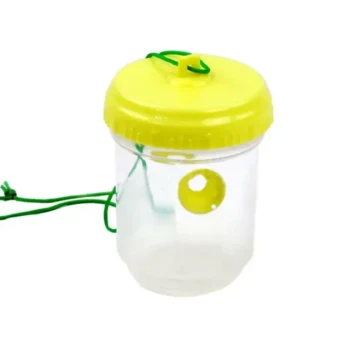
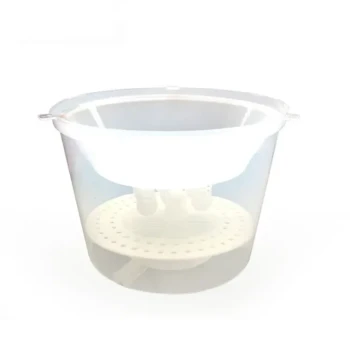
External Pollen Traps serve as the primary data collection interface for botanical surveys within an apiary. By installing these devices at the hive entrance, researchers effectively turn the colony into a biological sampling unit, physically intercepting pollen loads from returning foragers to capture a real-time snapshot of the local flora without harming the bees.
Core Insight: By mechanically separating pollen from foraging bees as they enter the hive, external traps transform a standard apiary into a continuous environmental monitoring station. This facilitates the precise identification of nectar and pollen sources in a specific geographic area, revealing seasonal shifts in plant availability and colony preference.
The Mechanics of Sample Collection
The Physical Interception Principle
External pollen traps operate on a mechanical barrier principle. They are installed at the hive entrance and feature a specific aperture grid structure.
Retrieving the Sample
As worker bees return from foraging, they must crawl through these grids to enter the hive. The grid dimensions are calibrated to scrape the pollen granules off the bees' hind legs via physical friction, causing the pellets to fall into a dedicated collection drawer or tray below.
Ensuring Sample Purity
For accurate surveys, the condition of the pollen matters. Advanced designs, such as Wall Traps, elevate the collection port to alter the bees' entry path. This prevents ground dust, excrement, and debris from contaminating the sample, ensuring the biological material collected is sanitary and suitable for laboratory analysis.
Analyzing the Botanical Landscape
Real-Time Phenological Monitoring
Unlike single-point field observations, pollen traps provide continuous data on flowering periods. By emptying the collection drawers regularly, researchers can track exactly when specific plant species begin and end their pollen production seasons.
Mapping Geographic Distribution
The pollen collected serves as a direct indicator of the distribution of source plants within the bees' flight range. Analyzing the distinct color and composition of the pellets allows for the identification of dominant plant species in the surrounding area.
Assessing Colony Preferences
Surveys using these traps do not just reveal what plants are available, but what plants are attractive to the colony. The volume and frequency of specific pollen types indicate which flora the bees prefer, helping to establish the biological relationship between the colony and the local ecosystem.
Understanding the Trade-offs
Impact on Colony Nutrition
While non-invasive compared to dissection, these traps do remove a significant portion of the colony's protein source. Continuous use without breaks can lead to nutritional stress for the hive, as the pollen is intended for "bee bread" and larval development.
Flight Interference
The installation of a physical grid creates a bottleneck at the hive entrance. While bottom-mounted traps generally cause less interference than top-mounted versions, any barrier alters the natural entry and exit flow, potentially slowing down foraging frequency during the survey period.
Making the Right Choice for Your Survey
## Optimizing Data Quality and Hive Health
- If your primary focus is Botanical Diversity: Prioritize frequent collection intervals (daily or every other day) to capture short-blooming species and prevent sample cross-contamination in the tray.
- If your primary focus is Sample Purity: Utilize Wall Traps or elevated designs to minimize microbial load and debris, ensuring the pollen is clean enough for detailed chemical or genetic analysis.
- If your primary focus is Long-Term Monitoring: Implement a rotational schedule (e.g., trap on for 2 days, off for 5) to allow the colony to replenish its own protein stores and maintain population health.
External pollen traps are the most effective tool for converting the natural foraging activity of honeybees into quantifiable, actionable botanical data.
Summary Table:
| Feature | Function in Surveys | Primary Benefit |
|---|---|---|
| Aperture Grid | Mechanically scrapes pollen from foragers | Enables physical sample collection |
| Collection Drawer | Captures and stores fallen pollen pellets | Provides quantifiable data for analysis |
| Elevated Design | Elevates the entry path above debris | Ensures high sample purity and sanitation |
| Rotational Schedule | Balances collection with hive needs | Protects colony health during long-term studies |
| Pollen Color/Type | Identifies local dominant flora | Maps geographic plant distribution |
Maximize Your Honey Production and Research Capabilities with HONESTBEE
At HONESTBEE, we understand that high-quality data and efficient hive management are the backbones of successful commercial apiaries and distribution networks. Whether you are conducting large-scale botanical surveys or optimizing commercial honey yields, our comprehensive range of professional beekeeping tools, specialized hive-making machinery, and precision honey-filling equipment is designed to scale with your business.
Why partner with HONESTBEE?
- Comprehensive Wholesale Offering: From industrial-grade machinery to essential apiary consumables.
- Built for Professionals: Our equipment is engineered to meet the demands of commercial honey production.
- Expert Support: We provide the hardware and the industry expertise to help you thrive in the global market.
Ready to elevate your beekeeping operations? Contact us today to explore our full catalog and wholesale pricing!
References
- M Maroofi. Melissopalynology in Some Regions of Kermanshah Province (West of Iran). DOI: 10.23880/chij-16000140
This article is also based on technical information from HonestBee Knowledge Base .
Related Products
- Removable Plastic Pollen Trap With Ventilated Tray for Bees Pollen Collector
- 30 cm Plastic Entrance Hole Bee Pollen Trap and Collector
- Plastic Bee Pollen Trap Strips Comb Catcher Collector
- High-Efficiency Diamond Maze Bee Escape for Clearing Supers
- 8 Frame and 10 Frame Propolis Trap Collector Screen for Propolis Collection
People Also Ask
- What are the design principles and advantages of pollen traps in the collection of bee pollen? Boost Your Apiary Yield
- What is the function of professional pollen traps in evaluating honey plants? Quantifying Pollination and Crop Potential
- What functions do pollen traps serve for bee bread production? Optimize Your Raw Material Collection
- What maintenance and pest prevention measures should be taken for pollen traps? Protect Your Hive and Harvest Quality
- How does the use of pollen traps in honeybee hives enhance crop fertilization? Boost Your Yield Through Induced Activity