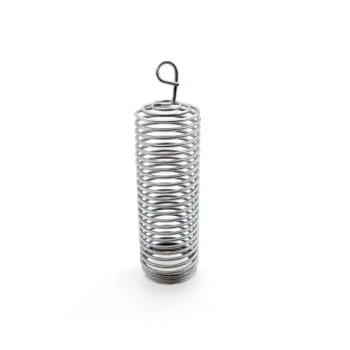
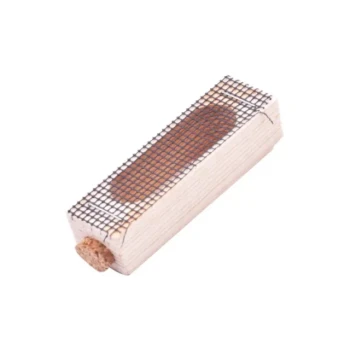
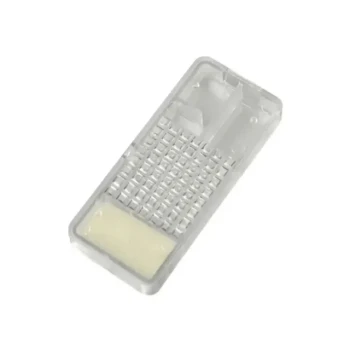
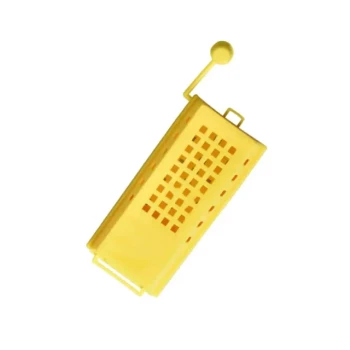
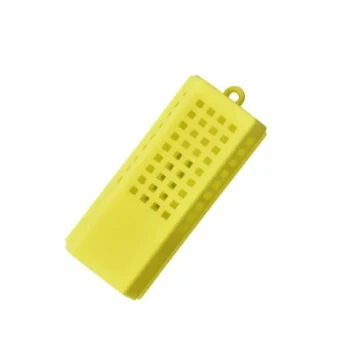
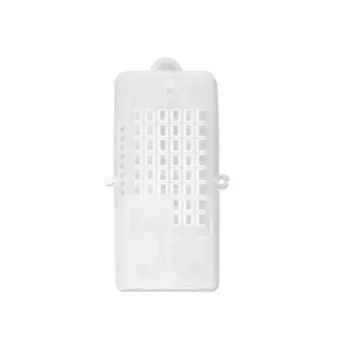
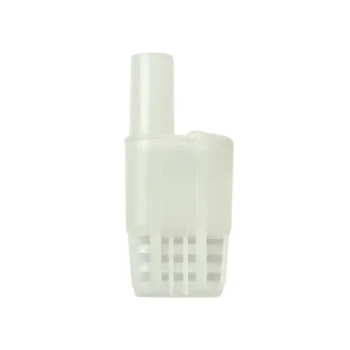
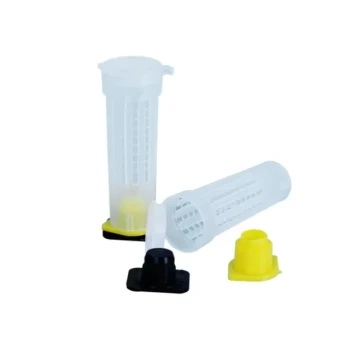
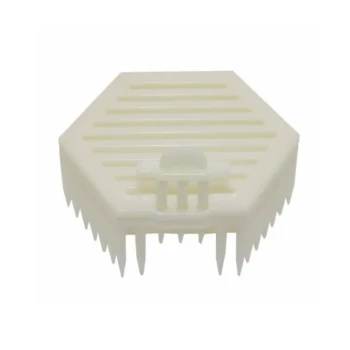
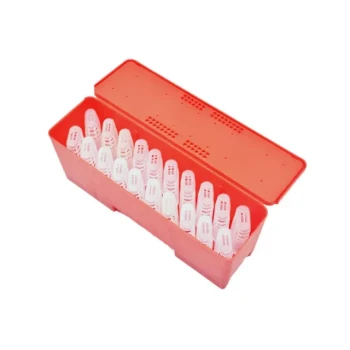
The queen bee must remain caged during the initial installation to ensure her survival. In a package of bees, the worker bees are rarely related to the queen and do not yet recognize her unique scent. The cage serves as a temporary protective barrier, preventing the workers from attacking her as a foreign intruder while they acclimate to her presence.
The queen cage provides a critical safety buffer, allowing unrelated worker bees to adjust to the queen's pheromones without physical access to harm her. This acclimation period transforms her status from "intruder" to "matriarch" before she is fully released.
The Biological Necessity of Separation
Pheromone Adjustment
The primary mechanism for colony unity is scent. Every queen emits specific pheromones that act as a chemical signature for the hive.
The "Intruder" Instinct
Because the workers in a package come from different colonies, they do not recognize the new queen's pheromones immediately. Without the cage, their natural defense instinct would be to kill the "foreign" bee to protect the colony.
The Acclimation Timeline
It takes time for the queen's pheromones to permeate the cluster of bees. The cage holds the queen in the center of the hive, forcing the workers to interact with her scent safely over a period of several days.
How the Cage Mechanism Works
Controlled Interaction
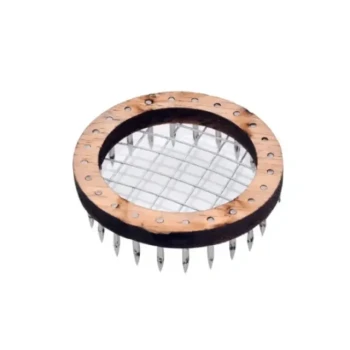
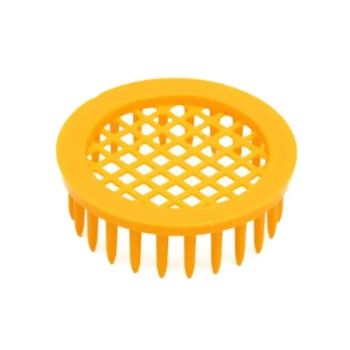
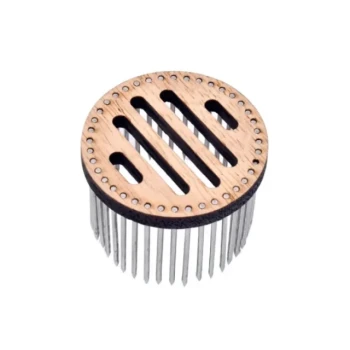
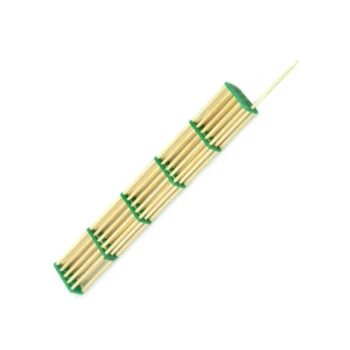
The cage is typically made of wood or plastic with a wire mesh screen. This screen allows worker bees to touch antennae with the queen and smell her, but prevents them from stinging or balling (suffocating) her.
Facilitating Care
While caged, the queen cannot forage for herself. The mesh allows nurse bees to pass food to the queen, establishing a nurturing bond even before she is released.
The Automated Release
Most cages utilize a "candy plug" to time the release. Worker bees eat through this candy barrier over several days, ensuring that by the time the path is clear, the pheromone acclimation process is complete.
Common Pitfalls to Avoid
Blocking the Mesh
A critical error during installation is pressing the mesh side of the cage tightly against the wax comb. The mesh must remain exposed to the open hive space.
Starvation and Isolation
If the mesh is blocked, the queen’s pheromones cannot circulate, and worker bees cannot feed her. This will result in the colony rejecting her or the queen starving to death inside the cage.
Premature Release
Attempting to manually release the queen immediately by removing the candy cap entirely is dangerous. This bypasses the necessary adjustment period and significantly increases the risk of the workers killing the queen.
Making the Right Choice for Your Goal
To ensure a thriving colony, you must prioritize patience over speed during the installation process.
- If your primary focus is Colony Acceptance: Leave the candy plug intact and ensure the mesh faces the center of the cluster to maximize pheromone distribution.
- If your primary focus is Release Timing: You may poke a small hole through the candy with a nail to help the workers start the chewing process, but never remove the candy entirely.
Respect the process of acclimation; it is the foundation of a unified and productive hive.
Summary Table:
| Aspect | Purpose & Function | Key Benefit |
|---|---|---|
| Pheromone Distribution | Allows scent to permeate the cluster | Transforms "intruder" to colony "matriarch" |
| Physical Barrier | Mesh screen prevents stinging/balling | Protects the queen during the adjustment period |
| Nutritional Support | Allows nurse bees to feed the queen | Establishes a nurturing bond before release |
| Timed Release | Candy plug chewed through over 3-5 days | Ensures release only after full acclimation |
| Safety Buffer | Keeps the queen in the hive center | Prevents rejection and ensures colony unity |
Maximize Your Apiary Productivity with HONESTBEE
Successful beekeeping starts with the right equipment and expert knowledge. At HONESTBEE, we specialize in supporting commercial apiaries and distributors with a full spectrum of professional-grade tools. From high-quality queen cages and hive-making machinery to honey-filling systems and essential consumables, our comprehensive wholesale offerings are designed to scale your operations.
Partner with HONESTBEE to access:
- Durable Beekeeping Hardware: Long-lasting equipment for every stage of honey production.
- Precision Machinery: Specialized tools for hive construction and honey processing.
- Industry Consumables: Reliable supplies to keep your colonies thriving.
- B2B Wholesale Expertise: Tailored solutions for large-scale distributors and commercial beekeepers.
Ready to elevate your beekeeping business? Contact us today to discuss our wholesale catalog and discover how our equipment can streamline your production!
Related Products
- Durable Galvanized Steel Spring Queen Bee Cage
- Classic Wooden and Mesh California Queen Cage
- Professional Queen Bee Introduction and Transport Cage
- Professional Queen Cage with Sliding Gate and Feeder Plug
- Professional Multi-Compartment Queen Cage with Sliding Lid
People Also Ask
- Why are specialized queen bee cages used for the banking of mated queen bees? Maximize Commercial Apiary Storage Efficiency
- What is the mechanism of action for using temporary queen bee cages? Master Successful Queen Introduction
- What is the step-by-step process for installing a queen bee's cage onto a frame? Ensure Hive Acceptance Safely
- What is the optimal placement for a queen bee cage? Essential Strategies for Successful Re-queening
- What are the advantages and disadvantages of introducing a queen bee by embedding the cage? Boost Your Queen Acceptance