Commercial apiaries must prioritize professional-grade tools to ensure chemical purity and market viability. The primary justification for utilizing stainless steel and certified collection tools is to eliminate the risk of heavy metal contamination, such as lead or nickel. Because natural honey inherently contains negligible metal levels, utilizing chemically stable equipment prevents human-introduced impurities often caused by the corrosion of inferior materials during extraction and processing.
By maintaining high chemical stability from hive extraction to final bottling, professional stainless steel equipment protects honey from equipment-derived contamination, ensuring the product meets rigorous safety standards for commercial distribution.
Preserving Chemical Purity and Biological Integrity
Eliminating Heavy Metal Risks
The most critical function of professional-grade tools is preventing chemical leaching. Inferior metals can corrode over time, introducing contaminants like lead or nickel into the honey.
High-quality stainless steel possesses the chemical stability necessary to prevent this degradation. This ensures that the honey remains free from external metallic pollutants throughout the processing chain.
Protecting Biological Activity
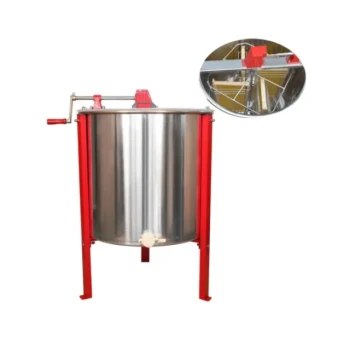
Professional stainless steel extractors often utilize centrifugal force to separate honey without the need for heating. This "cold" extraction method preserves the honey's biological activity, including its unique aromatic properties and antibacterial components.
Furthermore, the chemical stability of stainless steel guarantees that no reactions occur during this mechanical process, fully preserving trace elements inherent in specific varieties like sage honey.
Ensuring Hygiene and Pathogen Control
Food-grade stainless steel offers a smooth, non-porous surface that facilitates thorough chemical disinfection. This allows apiaries to eliminate pathogen residues that might otherwise hide in the crevices of porous equipment.
Effective cleaning prevents cross-contamination between different batches, which is essential for maintaining biological safety and consistent quality across large-scale operations.
Enhancing Marketability and Operational Precision
Improving Sensory Quality
Professional filtration systems are designed to remove impurities introduced during harvesting, such as larval fragments and wax debris. By utilizing multi-stage precision filtration, apiaries can improve the clarity and sensory appeal of the honey.
Crucially, this purification improves the product's visual standard without compromising its natural flavor profile or nutritional content.
Meeting Retail and Export Standards
To access strict distribution channels like supermarkets and pharmaceutical chains, honey must meet exacting hygiene and packaging standards. Industrial bottling machinery ensures precise volume consistency while minimizing air incorporation.
Standardized packaging containers seal the honey effectively for transport, preventing nutrient loss and ensuring the product remains shelf-stable and hygienic from the facility to the consumer.
Understanding the Trade-offs
High Initial Capital Expenditure
Transitioning to fully professionalized, food-grade stainless steel systems requires a significant upfront financial investment compared to amateur or plastic equipment. Apiaries must balance this immediate cost against the long-term value of market access and risk reduction.
Maintenance and Protocol Requirements
While stainless steel is corrosion-resistant, it is not maintenance-free. It requires strict adherence to cleaning protocols to maintain its surface integrity and prevent biofilm buildup. Neglecting proper chemical disinfection can negate the hygienic benefits of the material.
Making the Right Choice for Your Goal
To select the appropriate equipment for your specific operation, consider your primary output objectives:
- If your primary focus is Purity and Safety: Prioritize high-stability stainless steel extractors to eliminate the risk of heavy metal leaching and protect biological activity.
- If your primary focus is High-End Retail Access: Invest in precision filtration and standardized bottling lines to meet the clarity and consistency requirements of global supply chains.
- If your primary focus is Niche Varieties (e.g., Stingless Bee Honey): Ensure your setup includes specialized dehydration equipment to regulate moisture levels and prevent fermentation.
investing in professional-grade infrastructure is not just about equipment longevity; it is the foundational step in transforming raw harvests into a certified, high-value commercial commodity.
Summary Table:
| Feature | Professional Stainless Steel Tools | Inferior/Non-Certified Materials |
|---|---|---|
| Chemical Stability | High; prevents heavy metal leaching (Lead/Nickel) | Low; prone to corrosion and contamination |
| Biological Integrity | Preserves enzymes and aromas via cold extraction | Risk of degradation due to chemical reactions |
| Hygiene & Safety | Smooth, non-porous; easy to chemically disinfect | Porous surfaces; prone to pathogen buildup |
| Market Access | Meets strict retail and export standards | Often restricted to local or informal markets |
| Durability | Long-term resilience with proper maintenance | Short lifespan; high risk of material fatigue |
Elevate Your Honey Quality with HONESTBEE Professional Solutions
At HONESTBEE, we understand that for commercial apiaries and distributors, the difference between a raw harvest and a premium commodity lies in the equipment used. We offer a comprehensive wholesale range of food-grade stainless steel beekeeping tools, honey-filling machines, and high-precision filtration systems designed to eliminate contamination risks and maximize market value.
Whether you are scaling your extraction facility or seeking reliable machinery for international distribution, our specialized hardware ensures your honey retains its biological purity and meets global safety standards. Partner with HONESTBEE today to access the industry's most reliable equipment and transform your apiary's productivity.
References
- Alexandra-Antonia Cucu, Daniel Severus Dezmirean. Evaluation of the Main Macro-, Micro- and Trace Elements Found in Fallopia japonica Plants and Their Traceability in Its Honey: A Case Study from the Northwestern and Western Part of Romania. DOI: 10.3390/plants13030428
This article is also based on technical information from HonestBee Knowledge Base .
Related Products
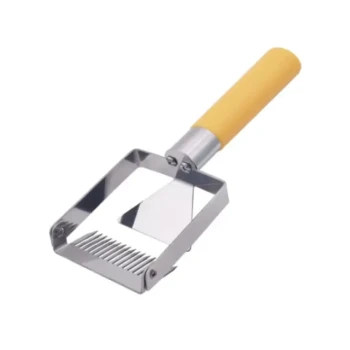
- Stainless Steel Pivoting Honey Uncapping Fork with Plastic Handle
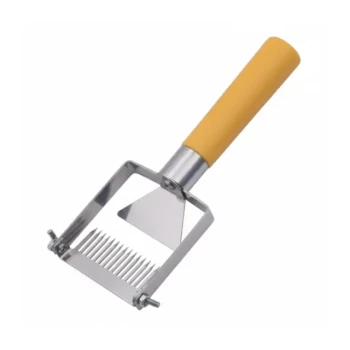
- All-Stainless Steel Pivoting Honey Uncapping Fork for Beekeeping
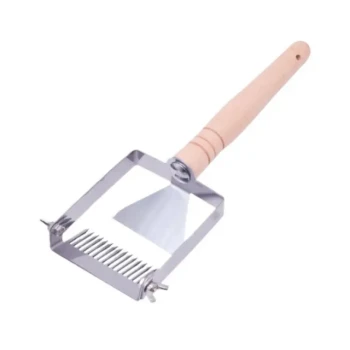
- Adjustable Stainless Steel Honey Uncapping Fork with Plastic Handle for Beekeeping
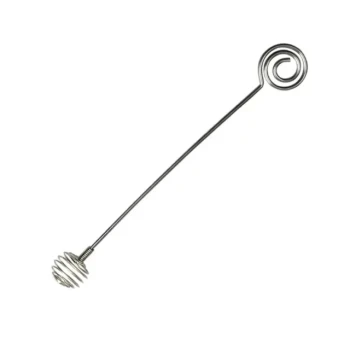
- Modern Stainless Steel Honey Dipper Stirrer
- Professional Stainless Steel Pry-Bar Hive Tool
People Also Ask
- What is the design purpose of honey uncapping forks and honey uncapping tanks? Maximize Your Harvest Efficiency
- How does a honey uncapping fork supplement the use of an uncapping knife? Boost Your Honey Yield and Extraction Efficiency
- What are the essential tools for uncapping honey frames? Choose the Right Tool for Your Apiary
- What other tools are available for honey uncapping besides knives? Find the Right Tool for Your Apiary's Scale
- What tools are used for honey uncapping? Choose the Right Knife for Your Harvest