The stability of honey’s medicinal properties relies heavily on minimizing exposure to environmental stressors. You should store honey in light-shielding opaque containers at 4°C because key antimicrobial components, specifically the enzyme glucose oxidase, are highly susceptible to degradation from light and heat. These strict storage conditions prevent photodegradation and thermal decay, ensuring the honey retains the bioactive potency required for therapeutic applications.
While honey is chemically stable as a food product, its enzymatic activity is fragile. Storing honey in opaque vessels at 4°C is essential to halt the breakdown of glucose oxidase, thereby preserving the sample's clinical-grade antimicrobial potential.
The Mechanism of Bioactive Preservation
To understand the necessity of these storage conditions, one must look beyond honey as a sweetener and view it as a biological substance containing active enzymes.
The Sensitivity of Glucose Oxidase
The primary driver of honey's antimicrobial power is glucose oxidase. This enzyme is responsible for the production of hydrogen peroxide, which eliminates bacteria. However, this component is not indefinite; it decays naturally over time if not protected.
Preventing Photodegradation
Light is a catalyst for the breakdown of many organic compounds. When honey is exposed to light, the energy accelerates the degradation of its sensitive antimicrobial components. Using light-shielding opaque containers effectively blocks this energy source, stabilizing the honey's bioactive profile.
The Role of Temperature Regulation
Thermal management is just as critical as light management for maintaining medicinal quality.
Retaining Enzymatic Activity
Heat acts as a universal accelerant for chemical decomposition. At ambient or elevated temperatures, the enzymatic activity of glucose oxidase diminishes rapidly. Storage at 4°C significantly slows this rate of decay, essentially placing the enzymes in a state of preservation.
Preserving Seasonal Characteristics
Beyond enzymes, low-temperature storage maintains the original elemental characteristics of the honey. This stability ensures that the authentic seasonal and regional compositional features remain intact for analysis or therapeutic use.
Material Integrity and Contamination
The preservation of honey is not just about what you keep out (light and heat), but also about the container itself.
The Importance of Inert Materials
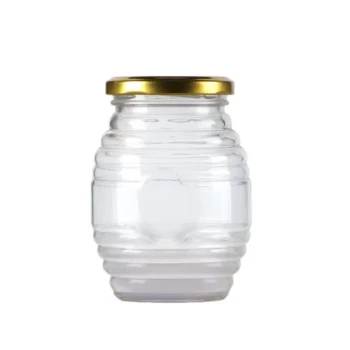
While opacity blocks light, the material of the container matters for purity. Inert glass containers are superior because they prevent the migration of external contaminants.
Avoiding Leaching
Plasticizers or heavy metals can leach from lower-quality packaging into the honey over time. Using inert, opaque glass ensures that the sample remains chemically pure and free from packaging-derived contamination.
Understanding the Trade-offs
While storing honey at 4°C in opaque containers is ideal for antimicrobial preservation, it introduces specific handling challenges.
Crystallization and Texture
Honey stored at 4°C will almost certainly crystallize and become solid. While this does not harm the honey, it makes immediate use difficult.
The Warming Paradox
To return crystallized honey to a liquid state, heating is often required. However, heating honey excessively can destroy the very enzymes you worked to preserve. You must balance the need for liquidity with the absolute requirement to keep the temperature low to protect the glucose oxidase.
Making the Right Choice for Your Goal
How you store your honey depends entirely on your intended application.
- If your primary focus is Medicinal Potency: Prioritize storage in opaque, inert glass at 4°C to maximize glucose oxidase activity, accepting that the honey will crystallize.
- If your primary focus is Chemical Analysis: Use inert glass to prevent plasticizer leaching and light shielding to ensure the regional chemical profile remains authentic.
- If your primary focus is Culinary Convenience: You may opt for room-temperature storage to prevent crystallization, acknowledging that this sacrifices antimicrobial enzymatic strength.
By strictly controlling light and temperature, you transform honey from a simple pantry staple into a stable bioactive compound.
Summary Table:
| Storage Factor | Recommended Condition | Benefit to Honey |
|---|---|---|
| Container Type | Light-shielding / Opaque | Prevents photodegradation of enzymes |
| Temperature | 4°C (Refrigerated) | Slows enzymatic decay & thermal decomposition |
| Material | Inert Glass | Prevents chemical leaching and contamination |
| Key Enzyme | Protected Glucose Oxidase | Maintains hydrogen peroxide production for healing |
| Physical State | Crystallized | Sign of high-quality, cold-stored preservation |
Maximize Your Honey Quality with HONESTBEE
At HONESTBEE, we understand that preserving the bioactive integrity of honey requires precision from hive to shelf. As a premier partner for commercial apiaries and global distributors, we provide more than just supplies—we offer complete industry solutions.
Our comprehensive wholesale portfolio includes:
- Advanced Equipment: High-efficiency hive-making and honey-filling machines designed for hygiene and speed.
- Professional Hardware: A full spectrum of beekeeping tools and machinery for large-scale operations.
- Industry Consumables: Premium packaging and essential supplies to maintain the medicinal potency of your harvest.
- Cultural Merchandise: Honey-themed goods to diversify your brand's reach.
Whether you are scaling your production or looking for reliable bulk supplies, HONESTBEE delivers the quality and expertise your business deserves.
Contact HONESTBEE Today to Enhance Your Wholesale Inventory
References
- Julie Irish, Dee Carter. The Antibacterial Activity of Honey Derived from Australian Flora. DOI: 10.1371/journal.pone.0018229
This article is also based on technical information from HonestBee Knowledge Base .
Related Products
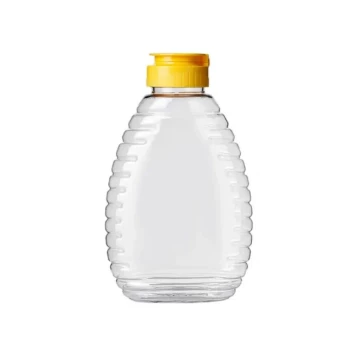
- Squeezable No-Drip Beehive-Shaped Honey Jars with Flip-Top Cap
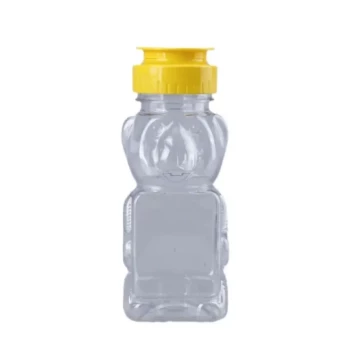
- Classic Honey Bear Jars with Flip Top Dispensing Cap for Liquid Sweeteners
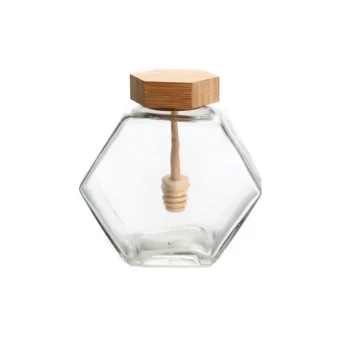
- Hexagonal Glass Honey Jar with Wooden Lid Integrated Dipper Elegant Functional Storage
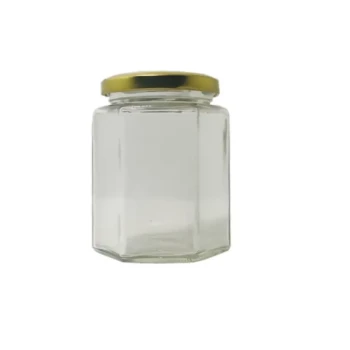
- Hexagonal Glass Honey Jars with Metal Lug Caps Elegant Versatile Packaging
- Inverted Squeezable Honey Jar with No Drip Flip Top Cap for Easy Pouring
People Also Ask
- What food safety standards must honey containers meet? Expert Guide to Packaging Integrity & Hygiene
- Why is it important to distinguish between weight and volume when selecting honey containers? Maximize Profits Now
- What are the benefits of purchasing honey containers in bulk? Maximize Margins & Secure Your Supply Chain
- What types of containers are ideal for storing liquid honey? Preserve Quality with Glass or Plastic
- How many jars of honey can you get from a hive? Maximize Your Yield with Strong Hive Management